A-B-A-B Reversal Design Documentation for BCBAs
Need A-B-A-B reversal design documentation? Learn to document phases, analyze data, address validity threats, and ensure ethics for BCBA practice.

By Praxis Notes Team Editorial team
Published 5 min read
On this page
Applied Behavior Analysis (ABA) advances quickly, making experimental control vital for validating interventions. The A-B-A-B Reversal Design serves as a key single-subject method. It helps BCBAs test intervention effects by switching between baseline and treatment phases. This builds clear functional links between behaviors and supports ethical practice.
For BCBAs, mastering reversal design documentation ensures BACB compliance and sharpens decisions. This guide covers the design’s phases, documentation tips, data analysis like level and trend checks, validity threats, and ethics. Use these tools for BCBA prep or daily work, rooted in ABA standards.
Key Takeaways
- The A-B-A-B Reversal Design alternates phases to predict, verify, and replicate behavior changes.
- Document each phase with operational definitions, fidelity notes, and visual graphs for transparency.
- Address threats like irreversibility through replication and ethical planning.
- Visual analysis of level, trend, and variability confirms intervention control.
- Prioritize client welfare by justifying withdrawals and considering alternatives.
Understanding the A-B-A-B Reversal Design and Its Components
The A-B-A-B Reversal Design demonstrates functional ties between interventions and target behaviors in ABA. It uses baseline (A) and intervention (B) phases for prediction, verification, and replication. This extends the basic ABA design with a second intervention to bolster evidence.
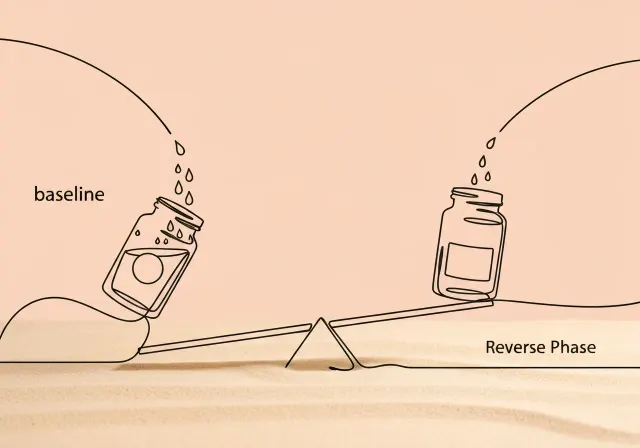
The process starts with the first baseline phase. Here, measure the behavior without changes to set a stable starting point. Next comes the first intervention, where you apply the treatment and watch for shifts in frequency or intensity. Then, return to baseline by pulling back the intervention, checking if the behavior resets. Finally, reapply the treatment to repeat the effect and confirm control.
The BCBA Task List (5th ed.) supports this setup for clear phase shifts in reversible behaviors. For example, in a clinic, you might use it to cut tantrums with token reinforcement. Stable data across phases proves its value, though variability demands caution. In my experience with school cases, this design clarified what truly drove compliance gains.
Documenting Baseline, Intervention, and Reversal Phases in A-B-A-B Reversal Design
Strong documentation in the A-B-A-B Reversal Design promotes transparency and science-based ABA experimental control. Begin with operational definitions, like “verbal disruptions per 10-minute session” for a focus behavior. Log session details on fidelity, noting exact steps and any slips.
In baseline phases, record settings and measures without extras. ABC charts help track natural events. For interventions, outline prompts or rewards, plus inter-rater checks for trust. During reversals, note withdrawal steps to dodge issues like unintended rewards.
Use HIPAA-safe graphing tools for phase timestamps. This aids reviews and reports. The Chapter on Single-Subject Designs stresses timestamps for analyzing quick changes. Such records tie into BACB ethics guidelines on the site, ensuring solid reversal design documentation.
Data Documentation and Visual Analysis in Each Phase
Track metrics like frequency or latency consistently in the A-B-A-B Reversal Design. Visual analysis interprets phase results clearly. In baselines, plot raw data for stability, often needing 3-5 points with low variation, as noted in the Chapter on Single-Subject Designs.
Intervention phases capture effect speed. Key visuals include level (behavior average, like non-compliance falling from 80% to 20%), trend (change direction over time), variability (data spread), and immediacy (post-shift speed) with overlap checks.
Line graphs favor intuition over stats in ABA. For instance, baseline overlap in reversals verifies pullback, while replication non-overlap builds proof. Annotated charts mark decisions, like phase extensions. This fits best practices for BCBAs refining interventions. Link to visual analysis tools for more on the site.
Threats to Internal Validity in A-B-A-B Reversal Designs
The A-B-A-B Reversal Design boosts internal validity via replication, linking changes to interventions over other causes. Yet challenges remain. Irreversibility tops the list—behaviors like new skills may not revert in the second baseline, weakening proof.
Natural growth or outside events can skew results across long phases. Carryover might leave treatment traces, altering reversals. Repeated tests could also reactively change behaviors. The BCBA Task List (5th ed.) highlights replication’s role in countering these, though irreversibility often calls for multiple baseline options.
Randomize sessions or track extra behaviors to fight threats. Fidelity logs and side data help. In practice, I’ve seen maturation affect child cases, so early checks prevent misreads. This keeps ABA experimental control strong.
Ethical Considerations for Implementation and Reversal
Ethics guide A-B-A-B Reversal Design use, focusing on welfare. The Ethics Code for Behavior Analysts requires brief, justified withdrawals to limit harm, especially for safety-linked behaviors.
Obtain consent explaining risks like setbacks and alternatives. Skip this design for lasting skills, where pullback denies gains. Weigh risks against benefits for tough issues; opt for non-reversals if needed. Respect cultural fits in phase shifts.
Document choices, monitor well-being, and plan backups. The Ethics Code for Behavior Analysts aligns with team consults for reviews. This upholds integrity in evidence-based ABA. See ethical guidelines on the site for deeper dives.
Frequently Asked Questions
What are the main differences between ABA and ABAB designs?
ABA has three phases: baseline, intervention, and baseline return for basic checks. ABAB adds final intervention replication for stronger proof. As detailed in Understanding Reversal Designs, ABAB boosts internal validity but needs ethical withdrawal care.
How does the A-B-A-B reversal design address internal validity threats?
Replication tackles history or maturation by predicting from first baseline to intervention, verifying in reversal, and confirming in second intervention. Non-overlapping visuals prove effects. The Chapter on Single-Subject Designs shows stable baselines and fidelity cut risks further.
What are some ethical considerations when implementing an A-B-A-B reversal design?
Avoid harm in withdrawals, get informed consent, and pick only reversible behaviors. It’s unfit for vital skills, risking loss. The Ethics Code for Behavior Analysts urges assessments and backups like multiple baseline for at-risk clients to protect welfare.
How can visual analysis of level and trend be used in A-B-A-B designs?
Graphs compare level (magnitude) and trend (direction) across phases for stability and speed. A stable baseline versus dropping intervention trend signals success. Open Text BC’s research methods stress low overlap for control proof.
What are the limitations of using A-B-A-B reversal designs in certain contexts?
Irreversibility blocks skill areas, ethics bar severe behavior withdrawals, and time waits for stability. It’s poor for groups or permanent changes like reading. The Chapter on Single-Subject Designs favors multiple baselines as clinical swaps.
The A-B-A-B Reversal Design validates interventions through reversal design documentation and ethical steps. Tackle threats like irreversibility with visuals and planning. BCBAs gain reliable ABA experimental control, ensuring safe, effective change. Review protocols against BACB standards, pilot for reversible behaviors, and train on visuals to boost practice.