
ABA Client Intake Documentation: Beginner's Guide
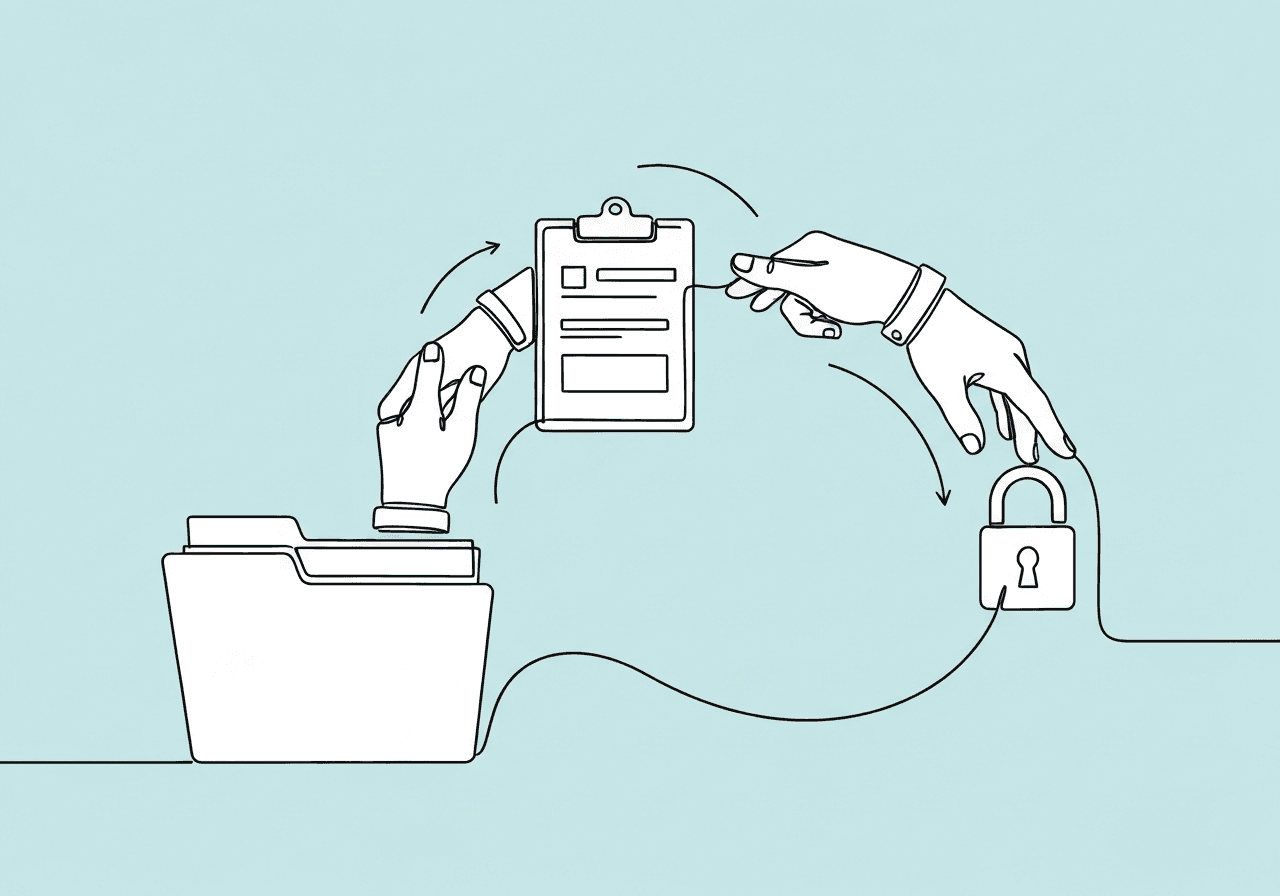
What Makes ABA Client Intake Documentation Compliant?
As a new RBT, I remember how overwhelming ABA therapy intake felt at first. But handling ABA client intake documentation right isn't mere paperwork. It's a vital safeguard for ethical work, insurance claims, and client privacy. According to the Behavior Analyst Certification Board (BACB), all certificants must follow documentation standards. These ensure objective, timely records that match the Ethics Code for Behavior Analysts.
This guide gives you practical, evidence-based tips to manage initial admin tasks with confidence. You'll cover key compliant forms, your verification role, storage tips, and mistakes to avoid. In the end, you'll gain steps to smooth your workflow and stay compliant from the start.
- Key parts of compliant intake
- Main forms and their roles
- Step-by-step practitioner checks
- Secure storage and retention rules
- Beginner errors and how to fix them
Compliant ABA client intake documentation forms the core of ethical and legal ABA services. It gathers key client details for assessments, plans, and care. It also meets standards like HIPAA and BACB ethics. Miss it, and clinics face service delays or claim rejections.
Practices stress gathering solid info upfront. For example, intake often covers demographics, medical history, and consents to prove medical need. The BACB's RBT Handbook (2025) says RBTs must document objectively. They follow supervisor guidance so records back behavior plans.
This step fits wider ABA rules. Early data shapes interventions, like functional behavior assessments (FBAs). For beginners, structured templates cut errors. They help you handle sensitive info with ease.
Which Forms Are Essential for Initial ABA Paperwork?
Collecting the proper initial ABA paperwork smooths onboarding and keeps things compliant. Core items include service agreements, HIPAA releases, and financial rules. Each meets specific regulations.
Service agreements spell out treatment scope, goals, and duties. They often include session frequency, cancellation rules, and parent roles, as noted in ABA clinic guidelines. A signed version builds shared understanding. It guards against conflicts.
HIPAA forms can't be skipped. Clients must get the Notice of Privacy Practices (NPP) and sign off on using protected health info (PHI) for treatment, billing, or operations. Per the U.S. Department of Health and Human Services (HHS), this follows the HIPAA Privacy Rule. It blocks unauthorized sharing.
Financial policies cover billing, copays, and insurance checks. Add insurance card copies and funding details to show medical need, per billing resources. For full guidance, check your clinic's HIPAA Compliance ABA Documentation Guide for Clinics.
Use this checklist from standard ABA practices:
- Intake and enrollment form: Covers demographics, contacts, and schedules.
- Consent for services: Allows evaluation and treatment.
- Medical/developmental history: Lists diagnoses, allergies, and behavior issues.
- Release of information: Permits sharing with schools or doctors.
- Policies acknowledgment: Confirms attendance and financial terms.
These parts, based on Your Missing Piece guidelines, ease intake. They match payer needs.
How Should Practitioners Verify Initial ABA Paperwork?
For RBTs or BCBAs, checking initial ABA paperwork is your job. It upholds compliance and care quality. Review for full details, signatures, and accuracy before assessments begin.
Cross-check client docs against clinic rules. Match insurance to diagnoses, like autism from DSM-5-TR. Ensure consents are dated and signed. The BACB Ethics Code 2.0 (2022) requires RBTs to follow protocols precisely. That includes supervised doc checks.
Try these steps for a solid review:
- Gather and sort: Pull forms in the inquiry stage. Scan for gaps, like missing emergency contacts.
- Check legal parts: Look for HIPAA nods and service consents. Flag unsigned spots for quick fixes.
- Gauge medical need: Scan history for basics, such as past tries at interventions. This aids planning.
- Record the check: Note verification in the client file with dates and talks, per RBT best practices from the BACB Handbook (2025).
- Ask supervisor: On issues like fuzzy funding, get BCBA help to skip delays.
This check, drawn from Links ABA Therapy, stops problems like denied claims. Link it to ethical talks by noting parent chats. See our BCBA Communication Documentation: Ethical Guide for more.
What Are Best Practices for Storing and Retaining ABA Files?
Safe storage of ABA client intake documentation shields PHI. It meets retention rules, a big part of RBT compliance documentation. Clinics need HIPAA-safe systems to block unauthorized views.
Encrypted digital platforms are the norm. They allow secure mobile access with audit logs. The HHS Security Rule calls for admin, physical, and tech protections. Think role-based access for RBTs and BCBAs.
Retention times differ. But BACB rules say keep all records, like intake forms and supervision notes, for at least 7 years from creation or last use. Or longer per state laws and for minors, such as until age 18 plus extra years. See the Ethics Code for Behavior Analysts.
Put these tips to work:
- Pick secure tools: Choose HIPAA cloud storage with backups and logs.
- Sort files digitally: Use client IDs and clear names, like "ClientLastName_Intake_YYYYMMDD".
- Do regular checks: Review monthly for retention fit. Shred old records safely.
- Train on access: Restrict views to needed staff. Log any shares.
No exact 2024 ABA breach stats exist. Yet reports push proactive steps to dodge HIPAA fines up to $2,134,831 per violation (Tier 4 in 2024). See HIPAA Violation Fines - Updated for 2025. For more, try the ABA HIPAA Compliance: Essential FAQs for BCBAs.
What Are Common Pitfalls in Beginner Administrative Documentation?
Newbies often trip up on RBT compliance documentation. That leads to ethical slips or billing snags. Spotting them builds strong habits early.
One big issue: fuzzy notes, like "client was upset" over facts such as "client vocalized loudly for 2 minutes." The BACB pushes objective notes in its Ethics Code (2022) for solid data.
Watch for these too:
- Spotty details: Skipping times, spots, or signatures. This voids records in audits.
- Late entries: Holding off on intake notes invites errors. Fill them out right away, as billing guides advise.
- Missed approvals: No full HIPAA releases or parent signs. This risks privacy leaks.
- Messy setup: Blending clinical and admin files. It slows supervision pulls.
Fight them with BACB-matched templates and early feedback. Praxis Notes shows tackling these upfront cuts common denials significantly. Some clinics see up to 78% drops. Check ABA Medical Billing Case Study. For parent consents, read ABA Informed Consent for Parents: What to Know.
Frequently Asked Questions
What are the essential components of an ABA intake form?
Key parts cover patient demographics, insurance info, medical history, treatment and HIPAA consents, and behavior notes. Per Your Missing Piece (2024), they prove medical need and funding. This fits payer rules like Medicaid.
How do you ensure compliance with BACB guidelines during the intake process?
Match intake to BACB Ethics Code 2.0 with objective docs, consents, and supervised checks. The RBT Handbook (2025) requires timely, accurate records. Reviews ensure forms aid ethical planning.
What specific HIPAA requirements must be included in ABA intake forms?
Add signed NPP receipt, PHI use authorizations, and release consents. HHS (2023) says these handle treatment, billing, and operations. Signatures show grasp.
What are the most common mistakes in RBT supervision documentation?
Errors hit subjective words, missing dates or signs, and late logs. BACB rules (2022) stress objective notes kept 7 years. Audits spot them for compliance. See the BACB RBT Ethics Code.
How often should RBTs review and update their documentation?
Review notes daily and update weekly under supervision, per BACB. This matches goals and nabs errors fast. Links ABA Therapy (2024) outlines these best practices.
What strategies can help avoid subjective language in ABA notes?
Stick to observables, like "client did 4/10 trials alone." Skip words like "frustrated." Billing guides suggest training and templates for clear, audit-safe notes.
Compliant ABA client intake documentation lets you provide ethical, solid services amid admin tasks. From HIPAA consents to 7-year BACB retention, these steps cut risks and boost care. HHS and BACB evidence shows thorough intake lowers errors, aids billing, and guards rights.
New RBTs and BCBAs, focus on checklists and clear notes for a firm base. Next: Check clinic templates vs. BACB today. Audit a recent file. Discuss HIPAA in supervision. This streamlines your work and improves ABA outcomes.
Popular in Compliance & HIPAA
- 1
RBT Renewal Competency Documentation Guide for BCBAs
5,0636 min read - 2
RBT 2026 Documentation Changes: What BCBAs Need to Know
4,5405 min read - 3
BCBA Procedural Fidelity Checklist: Essential H-6 Guide
4,2456 min read - 4
ABA Documentation Checklist: RBT Compliance Guide 2025
3,6119 min read - 5
Florida Medicaid ABA 2025: SMMC Compliance Guide
3,3175 min read
Popular in Compliance & HIPAA
- 1
RBT Renewal Competency Documentation Guide for BCBAs
5,0636 min read - 2
RBT 2026 Documentation Changes: What BCBAs Need to Know
4,5405 min read - 3
BCBA Procedural Fidelity Checklist: Essential H-6 Guide
4,2456 min read - 4
ABA Documentation Checklist: RBT Compliance Guide 2025
3,6119 min read - 5
Florida Medicaid ABA 2025: SMMC Compliance Guide
3,3175 min read
Related Resources
Explore more helpful content on similar topics

BCBA RBT Competency Documentation: Step-by-Step Guide
Discover BCBA RBT competency documentation essentials for BACB compliance. From baseline fidelity to maintenance supervision, learn step-by-step best practices for effective RBT training and procedural integrity.
RBT Session Cancellation Documentation: Best Practices
Master RBT session cancellation documentation with our step-by-step guide. Ensure BACB 2.15 compliance through effective communication, billing strategies, and continuity of services to safeguard client progress and avoid audits.

RBT Performance Review Documentation Guide for BCBAs
Master RBT performance review documentation as a BCBA. Learn to include clinical data, IDPs, technician metrics, and avoid pitfalls for compliant ABA supervision and professional growth.