
Potty Training Challenges: ABA Strategies for Parents
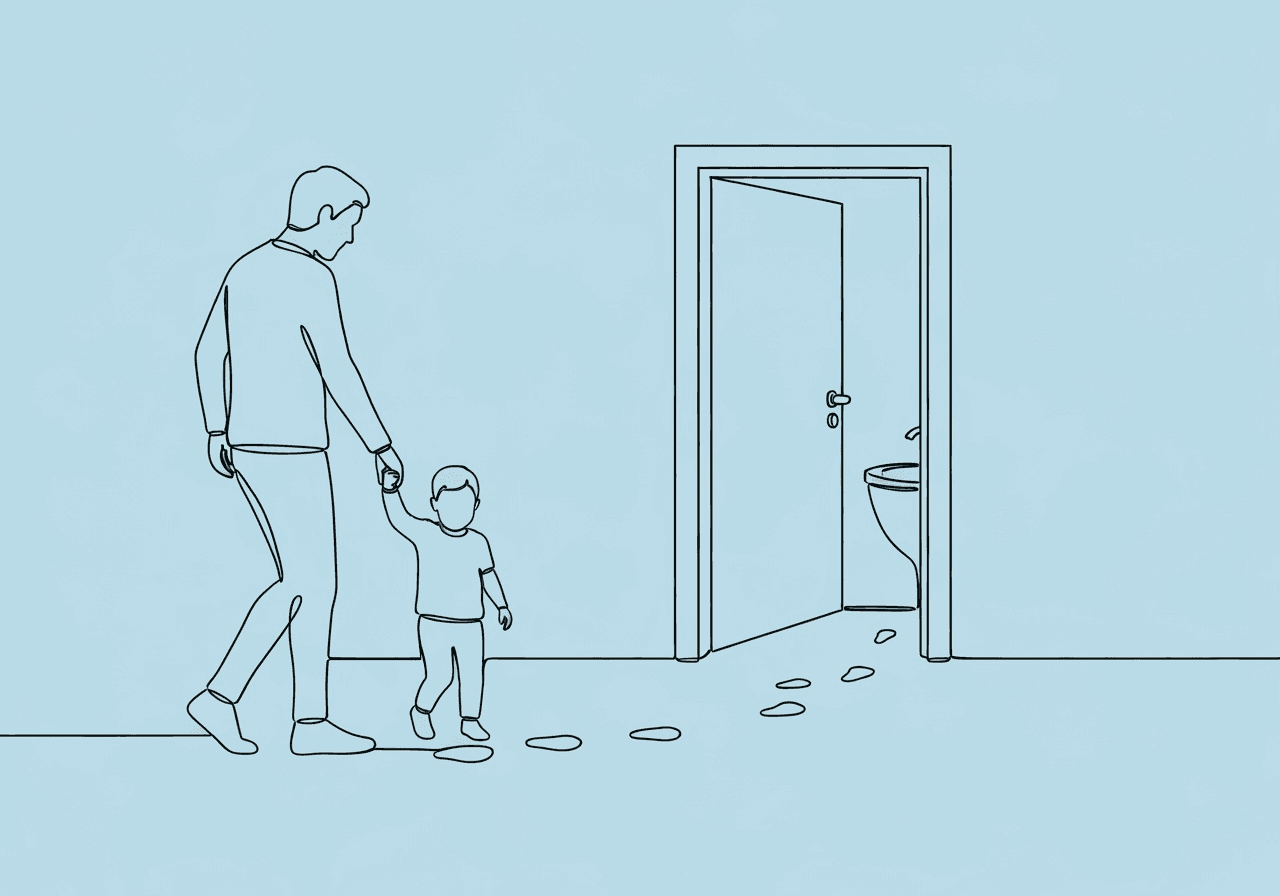
Potty Training Challenges: ABA Strategies for Parents
Potty training can feel like an overwhelming milestone for any parent, but for families navigating autism and Applied Behavior Analysis (ABA) therapy, it often brings unique hurdles like resistance, frequent accidents, and unexpected regressions. As noted by the National Autistic Society (2022), about 49.1% of preschool-aged children with autism show toileting resistance, far higher than the 8% in neurotypical peers. This guide addresses potty training challenges ABA for parents by focusing on evidence-based strategies tailored to autistic children, drawing from ABA principles to build skills systematically.
You'll discover practical steps to assess readiness, break down the process, implement routines with reinforcement, use visual tools, handle setbacks calmly, and track progress for better collaboration with your Board Certified Behavior Analyst (BCBA). These insights empower you to support your child's independence while reducing frustration at home.
Here are 3-5 key takeaways to guide you through potty training challenges ABA for parents:
- Start with a thorough readiness assessment to match your child's pace and avoid added stress.
- Use task analysis to break toileting into simple, manageable steps that build confidence gradually.
- Rely on scheduled sitting and positive reinforcement to create consistent habits without overwhelming your child.
- Incorporate visual supports like schedules to clarify routines and ease sensory-related anxieties.
- Track data daily to spot patterns and team up with your BCBA for timely adjustments.
Understanding Potty Training Challenges in ABA
Parents of autistic children often face intensified potty training difficulties compared to typical development. Communication barriers, sensory sensitivities to textures or sounds in the bathroom, and challenges recognizing bodily cues can lead to refusal or prolonged accidents. Unlike the quick three-day methods for neurotypical kids, ABA toilet training emphasizes gradual, individualized progress to address these issues effectively.
ABA stands out by relying on data-driven techniques rather than rewards alone. For instance, it targets underlying behaviors like anxiety around elimination through structured teaching. As reported by the Cleveland Clinic (2023), over 50% of children with autism spectrum disorder (ASD) experience toileting problems, versus just 5-10% without ASD, highlighting the need for specialized support.
Regression, where a trained child suddenly reverts to accidents, is another common hurdle in ABA toilet training regression. This might stem from changes in routine, illness, or stress, affecting many autistic children during transitions, as noted by Autism Speaks (2023). ABA counters this by reinforcing consistency and using positive practice to rebuild skills without punishment. By focusing on these patterns early, parents can help maintain progress even when life throws curveballs.
Assessing Readiness for Toilet Training from an ABA Perspective
Before starting, evaluate your child's readiness to avoid unnecessary setbacks. ABA experts recommend checking physical, cognitive, and behavioral signs rather than age alone. Key indicators include staying dry for at least 1-2 hours, showing interest in bathroom activities like flushing, or communicating discomfort when wet.
Motor skills play a key part too. Your child should manage basic actions such as walking to the bathroom, pulling pants up and down, and sitting still for a few minutes. Autism Speaks (2023) points out that children with autism may miss these cues due to sensory processing differences, so observe patterns over days. Taking time here sets a strong foundation and helps you feel more confident in the process.
Behavioral readiness involves following simple instructions and imitating others. If your child hides during accidents or mimics family toileting, they're likely prepared. Consult your BCBA early; readiness assessments prevent forcing the process, which can increase resistance. This step-by-step check ensures you're both ready to move forward without extra hurdles.
To build on this, incorporate antecedent strategies at home. For more on preventing challenges through routines, see our guide on ABA strategies to prevent potty training resistance.
Breaking Down the Toileting Process: Full Task Analysis
Task analysis is a cornerstone of ABA, dividing complex skills into sequential steps for mastery. For toileting, this ensures each component builds confidence without overwhelming your child. Start with a visual breakdown to make the chain clear. This method turns a big task into small wins, which can make all the difference for kids who thrive on predictability.
A standard ABA task analysis for toileting includes these steps, with slight variations to match your child's needs:
- Recognize the urge to go, perhaps via a timer or signal that feels familiar.
- Communicate the need using words, signs, or pictures in a way that's comfortable for them.
- Walk to the bathroom independently, taking it one step at a time.
- Close the door for privacy if that works well in your setup.
- Pull down pants and underwear with gentle guidance if needed.
- Sit on the toilet for 1-3 minutes, staying relaxed.
- Eliminate in the toilet when the time comes.
- Wipe front to back using toilet paper, practicing the motion slowly.
- Stand up and flush, celebrating the completion.
- Pull up pants and underwear, feeling accomplished.
- Wash hands with soap and water, making it a fun routine.
- Exit the bathroom, ready for the next activity.
Research from the Journal of Applied Behavior Analysis (2013) shows this method helped five children with autism achieve independent urination in 32-88 days by prompting each step. Begin with hand-over-hand guidance, fading prompts as skills develop. Over time, you'll see your child handle more steps on their own, which boosts everyone's morale.
Practice one step at a time during dry runs to reduce anxiety. This structured approach minimizes errors and fosters success. Parents often find that repeating these dry runs a few times a week helps solidify the sequence before real attempts.
Overcoming Potty Training Challenges with ABA for Parents: Scheduled Sitting and Reinforcement
Scheduled sitting forms the backbone of ABA toilet training, prompting visits at set intervals to build the habit. Begin every 30 minutes, extending to 60-90 as successes increase, aligning with your child's dry periods. This proactive method prevents accidents and teaches body awareness. It's like setting gentle reminders that turn into natural instincts over time.
Positive reinforcement follows immediately after success to strengthen the behavior. Use child-preferred items like stickers, praise, or a short play break, delivered right after elimination. Timing matters—delays weaken the connection, per ABA guidelines. Picking the right reinforcer can make sessions more enjoyable and keep your child engaged.
Choose reinforcers based on motivation; a token system might exchange points for a favorite toy. Avoid over-relying on edibles to promote sustained interest. As detailed in research from the Journal of Applied Behavior Analysis (2013), this approach leads to independence in 1-3 months for many autistic children. Consistency across caregivers is vital. Share your schedule with family and your ABA team to maintain momentum.
For tips on aligning home efforts, explore ABA techniques for building consistent toileting routines. By sticking to this plan, you'll notice fewer surprises and more predictable days.
Using Visual Supports and Responding to Accidents Calmly
Visual schedules toilet training tools like picture charts or social stories demystify the process for visual learners. Create a sequence of icons showing each task analysis step, posted near the bathroom. These reduce confusion and anxiety, especially during regression. They're a simple way to make the unknown feel safe and routine.
Social stories, short narratives explaining "what happens in the potty," prepare your child mentally. Read them daily to set expectations. As outlined by Golden Steps ABA (2023), visual supports combined with ABA boost compliance by clarifying routines. This combo often leads to quicker understanding and less pushback.
Accidents happen—respond without scolding to avoid escalation. Clean up matter-of-factly, then use positive practice: guide your child through the steps calmly. This teaches without shame, focusing on the next success. Keeping your reaction neutral helps your child stay open to learning.
For ABA toilet training regression, revert to denser scheduling and extra reinforcement temporarily. Track patterns to identify triggers like dietary changes. Patience here prevents long-term setbacks. Many parents share that this calm approach turns tough moments into teaching opportunities.
Tracking Key Data Points for Effective BCBA Communication
Data collection empowers parents to collaborate with BCBAs for adjustments. Log essentials like accident times, successes per day, and prompt levels used. Simple charts reveal trends, such as more incidents post-nap. This info gives you a clear picture of what's working and what needs a tweak.
Key metrics include:
- Number of independent toileting episodes to measure growing skills.
- Duration between dry periods, showing bladder control improvements.
- Types of reinforcement most effective, helping refine your choices.
- Instances of communication about needs, highlighting progress in expression.
Share this weekly with your BCBA to refine the plan. The Association for Science in Autism Treatment (2023) emphasizes data's role in accelerating progress, often shortening training to weeks. Tools like apps or notebooks work well.
This involvement strengthens your partnership and tailors interventions. For documentation tips, check our article on ABA data tracking tips for parents. Regular reviews keep everyone on the same page and motivated.
Frequently Asked Questions
How do I know if my child is ready for potty training?
Readiness signs include staying dry for 1-2 hours, showing interest in the bathroom, and following basic instructions. Physical abilities like pulling clothes up/down and communicating needs (verbally or via gestures) are key. Autism Speaks (2023) notes these cues help avoid starting too early, reducing resistance. Watch for these over a week to confirm.
What are the most common potty training challenges for children with autism?
Challenges often involve sensory aversions to toilet seats or flushing sounds, difficulty recognizing urges, and communication gaps leading to accidents. Regression during routine changes affects many. Per National Autistic Society research (2022), 49.1% show resistance, but ABA addresses these through structured supports. Understanding these helps you prepare better.
How does ABA therapy specifically support toilet training?
ABA breaks skills into steps, uses scheduled sits, and applies positive reinforcement to build independence. Visual aids and data tracking allow customization. Studies show children achieve continence in 32-96 days with these methods, per Journal of Applied Behavior Analysis (2013). It's all about steady, positive steps.
How long does potty training typically take using ABA for autistic children?
Duration varies by individual, often several months with consistent ABA, as reported by the Cleveland Clinic (2023). Factors like readiness and reinforcement strength influence timelines. Emphasize gradual progress over rushed methods to ensure lasting success. Your BCBA can help set realistic expectations.
What role do visual schedules play in handling ABA toilet training regression?
Visual schedules outline steps clearly, reducing confusion during regressions triggered by stress or changes. They reinforce routines and prompt communication. Experts recommend them to rebuild skills calmly, as in Golden Steps ABA guidelines (2023). Use them daily to maintain familiarity.
How can parents respond productively to accidents in ABA training?
Stay calm, clean without comment, and use positive practice to review steps. Avoid punishment, which increases anxiety. This ABA approach focuses on teaching, leading to fewer incidents over time, supported by Association for Science in Autism Treatment (2023). It keeps the focus on growth.
Navigating potty training challenges ABA for parents equips families with tools to overcome resistance, accidents, and regressions while fostering your child's autonomy. Evidence from Autism Spectrum News shows structured methods like task analysis and reinforcement yield independence for over 90% of autistic children facing delays in some programs, enhancing daily life and reducing parental stress. Practical implications include stronger home-therapy alignment and long-term skill retention.
Take these next steps: Assess readiness with your BCBA this week, create a simple visual schedule, and begin logging data daily. Consistency pays off—reach out to your ABA team for personalized tweaks. With patience and evidence-based strategies, you'll celebrate dry days and greater family confidence soon.
Popular in Family Resources
- 1
ABA Token Economy Parents: Step-by-Step Home Guide
2,5975 min read - 2
Understanding the ABA Extinction Burst for Parents
2,0477 min read - 3
Premack Principle for Parents: Boost Motivation
2,0226 min read - 4
Functional Communication Training for Parents: FCT Guide
1,7107 min read - 5
ABA Antecedent Strategies for Parents: Home Guide
1,4856 min read
Popular in Family Resources
- 1
ABA Token Economy Parents: Step-by-Step Home Guide
2,5975 min read - 2
Understanding the ABA Extinction Burst for Parents
2,0477 min read - 3
Premack Principle for Parents: Boost Motivation
2,0226 min read - 4
Functional Communication Training for Parents: FCT Guide
1,7107 min read - 5
ABA Antecedent Strategies for Parents: Home Guide
1,4856 min read
Related Resources
Explore more helpful content on similar topics

Functional Communication Training for Parents: FCT Guide
Master functional communication training for parents to replace challenging behaviors with effective skills. Discover FCT strategies at home, from identifying behavior functions to teaching replacements and reinforcing progress. Empower your family with practical ABA tips.
Shaping Behavior for Parents: ABA Skill Building Guide
Discover shaping behavior for parents in ABA: Master skill building with successive approximations explained, practical examples like shoe-tying, and home tips for your autistic child.
ABA Antecedent Strategies for Parents: Home Guide
Master ABA antecedent strategies for parents to prevent challenging behaviors in autism at home. Discover practical tools like visual schedules, warnings, and choice-making for a calmer family environment.