
Baseline vs Maintenance Documentation: BCBA Guide
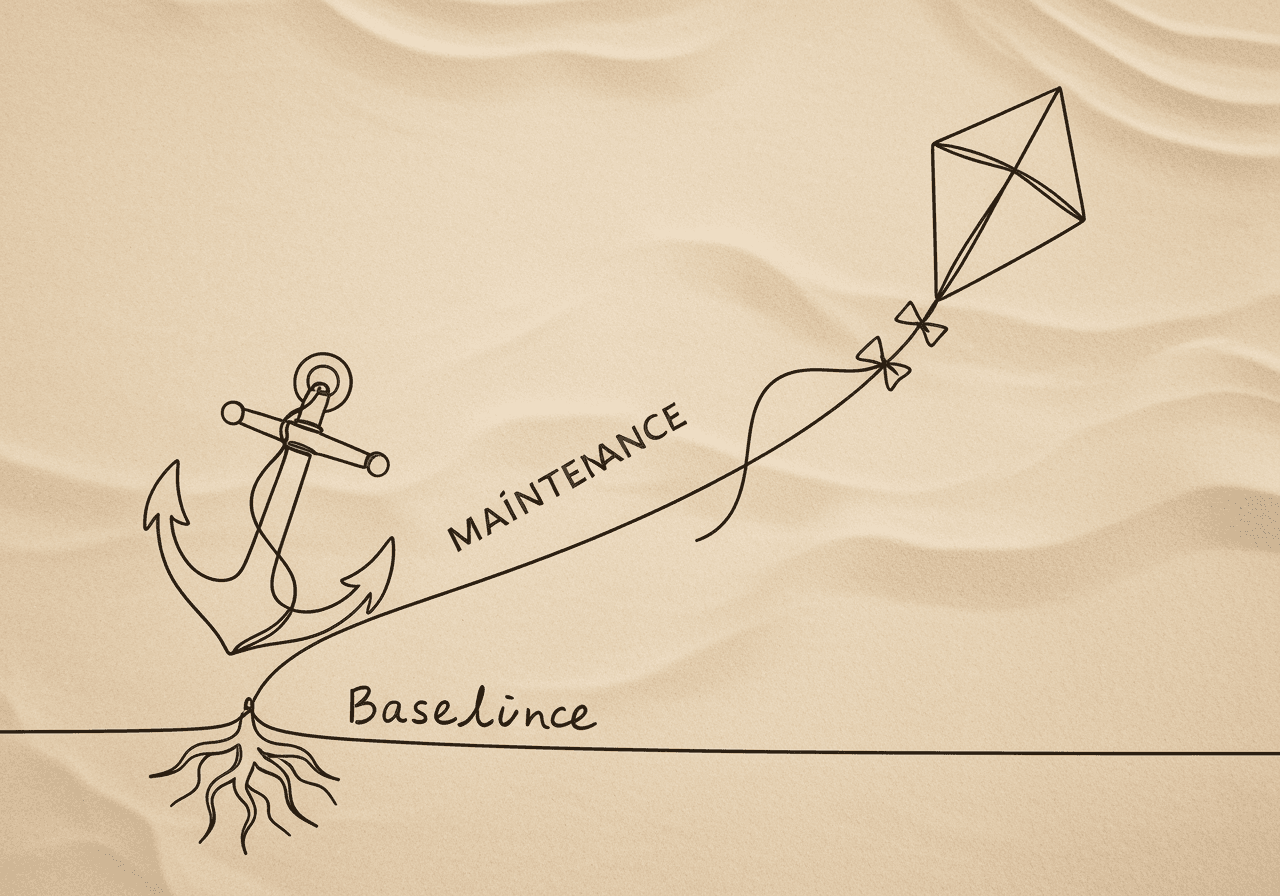
In the demanding field of Applied Behavior Analysis (ABA), precise documentation keeps therapy on track and ensures you're compliant. As a BCBA, knowing baseline vs maintenance documentation can prevent insurance headaches and protect client progress. Baseline paints the picture of behaviors before any intervention starts, proving why services are needed. Maintenance, on the other hand, tracks if those skills hold up over time as client situations change.
This guide breaks down phase-specific needs, compares goals side by side, covers data rules, and highlights ethics. You'll also find a BCBA compliance checklist to make your workflow smoother. Let's dive in to strengthen your ABA phase documentation practices.
The Necessity of Clear Phase Documentation in ABA
Solid ABA phase documentation underpins ethical ABA work and boosts intervention success. As per the BACB Ethics Code for Behavior Analysts (2022), BCBAs need accurate records to back decisions and show accountability. Blurry phase lines can mess up progress tracking, hurting treatment results and drawing payer or regulator attention.
Baseline sets that initial "before" view of behaviors to shape plans. Maintenance checks if gains stick after treatment, confirming skills last without heavy support. These distinctions foster better teamwork with RBTs, families, and supervisors.
Guidelines from the BACB Professional and Ethical Compliance Code point out how weak phase records lead to issues like unproven service hours. Strong, organized notes let BCBAs champion their clients more effectively.
Side-by-Side Comparison: Documentation Goals in Baseline vs. Maintenance
Goals for documentation evolve from baseline to maintenance, matching ABA's shifting priorities. Baseline aims to show medical need with untouched behavior data. Insurers often demand this to greenlight starting services.
Maintenance spotlights lasting results, probing if skills endure. It flags regression risks and aids in fading services or planning discharge.
Baseline builds the urgent case for change. Maintenance keeps that momentum going. For tips on medical need proof, check our ABA progress reports for insurance reauthorization.
To illustrate:
- Core Focus: Baseline proves need via starting data. Maintenance shows skills hold steady.
- Key Outcome: It creates a planning benchmark in baseline. Maintenance offers proof for service tweaks or cuts.
- Payer Tie-In: Baseline fuels first approvals. Maintenance guides renewals and reductions.
- Real-World Use: Baseline logs frequent problem behaviors. Maintenance follows drops in everyday spots.
This setup underscores baseline vs maintenance documentation as partners in client care.
Requirements for Data Collection Narratives: Baseline vs. Maintenance
ABA phase documentation narratives demand detail tailored to each stage for BCBA compliance checklist alignment. Baseline calls for steady, frequent logs to grab true patterns. Include clear ABC elements—antecedents, behaviors, consequences—with metrics like counts or lengths.
Picture this: "In a 30-minute session, the client flapped hands 12 times, mostly during shifts." ABAI best practices back this depth for solid intervention starts.
Maintenance eases to spot checks, verifying steadiness without daily grind. Focus on session-to-session consistency, like weekly snapshots. The BACB Ethics Code (2022) requires noting any slips or outside influences in these checks.
Baseline needs daily runs, full ABC stories, and several points for steadiness. Maintenance uses probes as needed for stability, trend overviews, and adjustment reasons. Tools like graphs or forms help spot shifts—see our ABA skill mastery criteria documentation guide for easy options.
Ethical Documentation Differences: Establishing Justification vs. Preventing Regression
The BACB Ethics Code (2022) calls for fair, full records, yet phases bring unique angles. Baseline stresses proving intervention worth. Stay neutral to dodge need inflation, tying notes to client good and honest service scopes.
Maintenance guards against skill drops via outcome watches. Be open on fade dangers and tweaks, like easing cues. Follow laws on record keeps for audits and care handoffs—aim for periods like HIPAA's six years minimum.
Spot the contrasts:
- Baseline Ethics: Stress neutral starts to back medical need, skipping biased spins that fool payers.
- Maintenance Ethics: Stress checks to halt losses, with notes on data-driven changes.
- Core Overlaps: Guard privacy under HIPAA, finish notes in 24-48 hours, and get supervisor sign-offs.
Overlooking these risks ethics slips, per BACB resources. Our BCBA generalization documentation checklist tackles maintenance probes. For more on ethics, try our BACB compliance overview.
Frequently Asked Questions
What are the key differences between baseline and maintenance documentation in ABA?
Baseline grabs pre-treatment behavior baselines for reference and need proof, via steady ABC logs. Maintenance eyes post-treatment hold with spot probes, stressing spread and steadiness. The BACB Ethics Code (2022) demands fair logs for both, though maintenance leans on long-term proof for renewals.
How does baseline data influence the effectiveness of ABA interventions?
Baseline gives the launchpad for growth checks, letting BCBAs gauge true effects. It spots patterns and roles, steering sharp plans. ABAI best practices highlight how firm baselines drive data-led work, cutting bad strategy odds.
How can BCBAs ensure compliance with documentation requirements in ABA?
Stick to templates, wrap notes in 24-48 hours, and cover basics like times, people, and data recaps. Supervisor checks and law-based keeps match the BACB Ethics Code (2022). Audit tools from pros keep phases consistent—our data collection tools guide fits here.
What specific elements should be included in baseline documentation?
Cover behavior facts (counts, lengths, strength), settings, and ABC info. Keep observations pure, no treatment sway, to show need. The BACB Ethics Code (2022) wants signs, dates, and treatment-start reasons for solid first approvals.
How often should documentation be reviewed and updated during maintenance phases?
Probe weekly or bi-weekly as data guides, with full looks monthly or at renewal. Note slips or shifts per the BACB Ethics Code (2022), which pushes ongoing watches over set times. This balances load with skill checks, ramping up if trends waver.
What are common pitfalls in baseline data collection that BCBAs should avoid?
Watch for fuzzy words, too-few sessions for steadiness, or observer sway. Hit agreement levels and skip hints. The BACB Ethics Code (2022) flags weak baselines as invalidators, risking rule breaks or denials.
Mastering baseline vs maintenance documentation gives BCBAs a strong ABA backbone that honors ethics and boosts outcomes. Baseline lays the need groundwork. Maintenance blocks backslides, locking in real wins. The BACB Ethics Code (2022) ties this to compliance and duty, where solid data shapes lives.
Audit your files with phase checklists now. Adopt secure tools for notes next. Train teams on updates quarterly. Strong baseline vs maintenance documentation shields from checks and lifts care.
BCBA Compliance Checklist for Baseline and Maintenance Phases
-
Baseline Phase:
- Run 3-5 steady sessions with ABC notes, per single-subject design practices.
- Log need with fact data (counts, lengths).
- Add intervention reasons to notes.
- Check observer match (80%+ agreement), via BCBA Task List (5th ed.).
-
Maintenance Phase:
- Run probes as needed across spots to affirm steadiness, per the BACB Ethics Code (2022).
- Log spread and slip risks in overviews.
- Back changes with trend data.
- Keep records per laws and BACB rules (e.g., 3+ years for cert, longer via HIPAA).
-
General Compliance:
- Sign and date in 24-48 hours.
- Secure HIPAA storage and shares.
- Do monthly supervisor checks for phases.
- Build graphs for report visuals.
Popular in ABA Session Notes & Tools
- 1
RBT Supervision Documentation: 2025 BACB Guide & Templates
6,5949 min read - 2
Master ABA Medical Necessity Documentation: Avoid Denials
4,2079 min read - 3
Master ABA SOAP Notes: Guide for RBTs & BCBAs
4,0109 min read - 4
ABA Documentation Best Practices for RBTs: Essential Tips
3,3015 min read - 5
Direct vs. Indirect RBT Supervision Documentation Guide
3,0487 min read
Popular in ABA Session Notes & Tools
- 1
RBT Supervision Documentation: 2025 BACB Guide & Templates
6,5949 min read - 2
Master ABA Medical Necessity Documentation: Avoid Denials
4,2079 min read - 3
Master ABA SOAP Notes: Guide for RBTs & BCBAs
4,0109 min read - 4
ABA Documentation Best Practices for RBTs: Essential Tips
3,3015 min read - 5
Direct vs. Indirect RBT Supervision Documentation Guide
3,0487 min read
Related Resources
Explore more helpful content on similar topics

Continuous vs Discontinuous ABA Data: Key Differences
Discover the key differences between continuous vs discontinuous ABA data to improve accuracy and justify medical necessity. Learn pros, cons, hybrid strategies, and best practices for BCBAs in behavior analysis documentation.

Functional Analysis vs Functional Assessment Documentation
Master functional analysis vs functional assessment documentation for BCBAs. Discover procedural differences, data methods, and use our compliance checklist for ABA success.

Ultimate BCBA Generalization Documentation Checklist
Master BCBA generalization documentation with this ultimate checklist. Ensure accurate ABA maintenance probe documentation and insurance report compliance. Streamline your workflow for payer audits today!