
Master BCBA Reversal Design Documentation for Exam Success
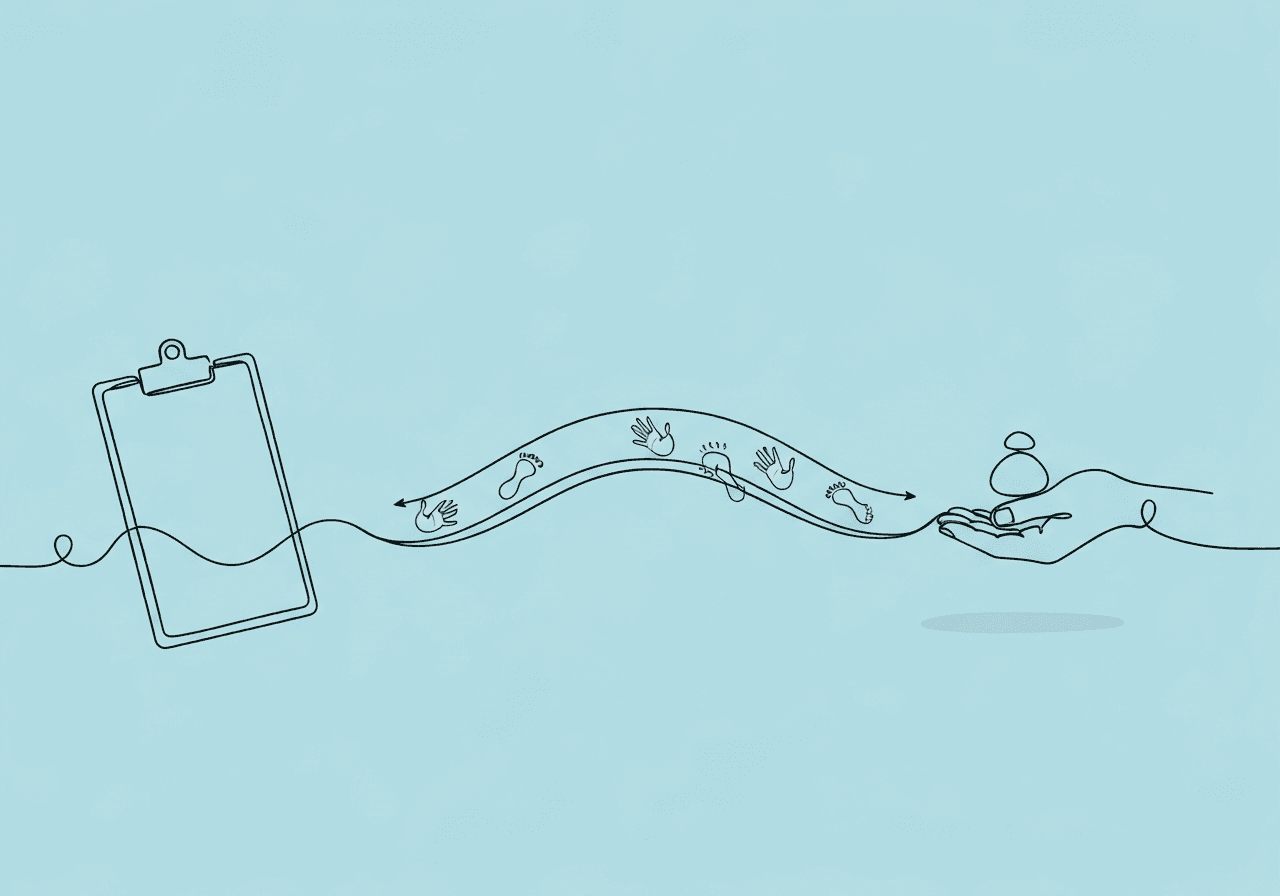
Mastering BCBA Reversal Design Documentation for Exam Success
Applied behavior analysis (ABA) moves quickly. Showing experimental control goes beyond lab work. It's key to ethics and real client results. For Board Certified Behavior Analysts (BCBAs), strong BCBA reversal design documentation keeps interventions evidence-based. It also follows the BACB Ethics Code. This matters most in single-subject setups like A-B-A-B. Here, pulling back the intervention checks its power but ups ethical concerns.
This guide gives you hands-on, backed-up tips on documenting reversal designs. You'll cover basics, ethics, when to skip them, data tips, and exam tricks. At the end, you'll know steps to sharpen your records. That boosts BCBA exam prep too.
What Is the Reversal (A-B-A-B) Design?
The A-B-A-B reversal design, or withdrawal design, switches between baseline (A) and intervention (B) phases. It proves a link between the intervention and behavior shifts. Start with A1: baseline data without any help. Then B1 adds the intervention. A2 pulls it back to check if behavior returns to start levels. B2 brings it back to repeat the change.
Think of it as building proof. Prediction: Behavior shifts with intervention. Verification: It reverts when withdrawn. Replication: The shift happens again. The Behavior Analyst Certification Board (BACB) Task List (5th ed., 2020) says BCBAs need these designs for experimental control According to the BACB (2020). They're great for behaviors that can reverse, like cutting tantrums with differential reinforcement.
Start documenting with clear labels on graphs and reports. Add session info, interobserver agreement (IOA) data, and fidelity checks for trust. Steady-state responding helps here—stable data over 3-5 sessions per phase builds solid proof According to Ledford & Gast (2018) in Single-Case Experimental Design for Evidence-Based Practice. Skip detailed records? Your control claims falter. That could break BACB Code 2.15 on picking evidence-based methods According to the BACB (2022).
Why Does the Reversal Phase Matter for Analytic Control?
The A2 reversal phase acts as analytic control. It pulls the intervention and watches behavior head back to baseline. This isolates the intervention's role. It rules out other factors like maturation or history effects. Single-subject design standards highlight how replication across phases gives stronger proof than basic ABA setups According to Ledford & Gast (2018) in Single-Case Experimental Design for Evidence-Based Practice.
Picture a child with 10 disruptive vocalizations per session in baseline (A1). Noncontingent reinforcement in B1 drops it to 2. Withdraw in A2. Vocalizations should climb back toward 10. That verifies control—unless ethics stop it. Document the speed of change, variability, and trend. Use graphs with standard rules: vertical lines for phase switches, points per session, notes on procedures.
This control boosts functional relation documentation. It shows the intervention drives the change alone. BCBAs note prediction (expected shift), verification (reversion proof), and replication (B2 mirrors B1). Practices call for IOA over 90% to add weight, though levels differ by case According to Learning Behavior Analysis (2023).
What Are the Ethical Rules for BCBA Reversal Design Documentation?
Ethics in BCBA reversal design documentation start with informed consent. Explain all phases upfront, including withdrawal risks. BACB Ethics Code Section 2.09 demands details on procedures, options, and harms like behavior slips in A2 According to the BACB (2022). For families with autistic kids, cover how B2 brings back gains. But only if withdrawal stays safe.
To justify re-reversal, add reasons in reports. Why withdraw again? It repeats effects for strong control. Limit to reversible behaviors. Log stakeholder views and risk checks. Use the BACB's ethical model. If withdrawal risks self-injury, note switches like multiple baseline. That puts welfare first (Code 2.01).
Ethical withdrawal ABA needs constant watch. Track client reactions in A2 logs. Have backup plans for spikes. This openness aids reviews and insurance. It fits medical necessity rules. Tie to ethics tools like the BCBA Ethical Decision-Making Model.
When Should You Avoid Reversal Designs?
Reversal designs work well for reversible goals. But they fail when withdrawal causes harm. Clinically, skip for skills that stick, like learning language. Behavior won't fully revert According to Learning Behavior Analysis (2023). Ethically, BACB Code 2.15 says no if removal endangers clients. Think severe aggression treatment. Reversion might worsen dangers.
Here's what to watch:
- Dangerous acts, like self-injury cut by DRA. Ethical withdrawal ABA could break "do no harm" (Code 2.01). For instance, a client who stops head-banging with prompts—reversing might restart injuries, so document why multiple baseline fits better instead.
- Vital medical aids, such as prompted meds. Baseline return threatens health. Picture a teen needing reminders for insulin; pulling support risks crises—opt for alternating treatments to keep gains.
- Lasting skills, like reading basics. Single-case guides back this According to the What Works Clearinghouse (2010). A child gaining sight words won't forget them overnight. Note irreversibility in reports to justify other designs.
Switch to non-withdrawal options like multiple baseline. In docs, explain risks in consents and reports. Cite proof of no reversal. For exams, link to validity issues—check the BCBA Exam: Internal Validity Threats Explained.
Practical ABA research shows withdrawal rarely works outside labs. BCBAs lean ethical swaps According to Hanley (2019) in Using Single-Case Designs in Practical Settings.
How to Document Data in the Return to Baseline (A2 Phase)
In A2, functional relation documentation stresses accurate data to confirm reversion fairly. Gather ongoing measures—frequency, duration, latency—over steady sessions. Aim for 3-5 points trending to original baseline According to Ledford & Gast (2018) in Single-Case Experimental Design for Evidence-Based Practice. Label graph axes right: sessions on horizontal, behavior on vertical. Flag any procedure slips.
Follow these steps:
- Keep fidelity high: Train staff on baseline. Check for 90% or better adherence with lists According to Gresham et al. (2010) in A Practitioner's Guide to Measuring Procedural Fidelity.
- Track variability: Data not steady? Lengthen phase. Log why to dodge maturation effects.
- Log IOA: Use total agreement method at least 20% of sessions. Target 80% or higher According to Pass the Big ABA Exam (2023) on Interobserver Agreement Standards in ABA.
For ethics, note welfare during withdrawal. Log parent stress or small slips. This backs BCBA reversal design documentation with real control, no hype. Partial reversion from carryover? Call it a limit. Suggest design tweaks.
Connect to goals: Baselines guide tracking, per ABA rules According to our guide on ABA Goal Documentation Compliance.
How to Tackle A-B-A-B Design Exam Scenarios
BCBA exams hit A-B-A-B design exam skills with graphs, ethics cases, and picks. Spot reversal in data: Clear phase jumps vs. multiple baseline's staggered lines. Stable A1, quick B1 drop, A2 rise, B2 drop? That's control. Value replication.
Ethics questions ask: "Withdrawal OK?" Use BACB Code. Favor swaps for harm. Practice visuals: Level, trend, variability, immediacy per standards According to the What Works Clearinghouse (2010).
Tips to win:
- Hit Task List D-5: Tell designs apart. Use baseline logic.
- Mock graphs: Weigh against multiple baseline ethics Link to our BCBA Multiple Baseline Design guide.
- Role-play: Document fake tantrum cut. Back each phase.
Exams stress real ethics. Document all to show accountability. For example, in a scenario with aggression data, explain why partial reversion leads to ethical multiple baseline shift—practice that rationale.
Frequently Asked Questions
What are the main ethical considerations when using a reversal design in ABA?
Ethical use puts client welfare first, per BACB Code 2.01. Avoid withdrawal harm, especially for risky behaviors. Get informed consent on risks. Pick alternatives like multiple baseline if regression looms According to the BACB (2022).
How do I document the withdrawal phase in an A-B-A-B design?
Target steady data, fidelity, IOA in A2. Graph changes clearly. Note partial reversions and welfare effects. This proves functional ties and ethics According to Learning Behavior Analysis (2023).
When is a reversal design contraindicated for certain behaviors?
Skip for irreversible skills like reading or high-risk ones like self-injury. Withdrawal won't revert or could hurt. Choose non-withdrawal designs According to the What Works Clearinghouse (2010).
How does the BACB Ethics Code address informed consent for reversal designs?
Code 2.09 calls for procedure details, benefits, risks like withdrawal, and options before start. This helps stakeholders grasp possible regressions According to the BACB (2022).
What are alternatives to reversal designs in ABA when ethics are a concern?
Multiple baseline or alternating treatments skip withdrawal. Keep intervention on. Show control with staggers or quick switches According to Hanley (2019).
How can I prepare for A-B-A-B questions on the BCBA exam?
Practice graph reads for replication and ethics cases. Stress baseline logic and skips using Task List D-5 According to the BACB (2020).
Mastering BCBA reversal design documentation links science to ethics. It makes A-B-A-B interventions help clients safely. From consents to graphs, tight records meet BACB rules. They also aid funding with clear medical need.
Next: Review a case for reversal ethics via BACB Code. Graph a sample to build visual chops. Add functional relation documentation to your next report. This preps exams and lifts practice—verifiable, caring ABA.
Popular in Study Guides & Exam Prep
- 1
2025 RBT Competency Assessment Preparation Checklist
6,45610 min read - 2
BCBA Ethical Decision-Making Model: 8-Step Exam Guide
3,2878 min read - 3
RBT Exam Study Guide 2025: Complete Prep with Practice Questions & Tips
2,8668 min read - 4
ABA Continuous Measurement (Frequency, Duration)
2,5576 min read - 5
RBT Task List A-01: Prepare for Data Collection — 7-Step Checklist
2,1246 min read
Popular in Study Guides & Exam Prep
- 1
2025 RBT Competency Assessment Preparation Checklist
6,45610 min read - 2
BCBA Ethical Decision-Making Model: 8-Step Exam Guide
3,2878 min read - 3
RBT Exam Study Guide 2025: Complete Prep with Practice Questions & Tips
2,8668 min read - 4
ABA Continuous Measurement (Frequency, Duration)
2,5576 min read - 5
RBT Task List A-01: Prepare for Data Collection — 7-Step Checklist
2,1246 min read
Related Resources
Explore more helpful content on similar topics

Unlock BCBA Multiple Baseline Design for Exam Success
Discover BCBA multiple baseline design essentials for exam success. Master setup, documentation, ethics, pitfalls, and variations in single-subject designs to ace your BCBA certification.

BCBA Visual Analysis of Data: Exam Prep Essentials
Master BCBA visual analysis of data essentials for your exam. Discover how to interpret level, trend, and variability in ABA for functional relations. Ace your BCBA test with expert tips!
Behavioral Cusps vs Pivotal Behaviors: BCBA Exam Prep
Explore Behavioral Cusps vs Pivotal Behaviors in BCBA exam prep. Discover definitions, key differences, and strategies for ABA assessment prioritization to enhance treatment planning and ace your conceptual analysis.