Behavioral Momentum Documentation for RBTs: Beginner's Guide
Unlock Behavioral Momentum for RBTs: From High-P Identification to Compliance Documentation. Practical steps and ethical tips to elevate your sessions.

By Praxis Notes Team Editorial team
Published 7 min read
On this page
Imagine starting your ABA session with a child who often resists even simple instructions. This can lead to frustration on both sides. As an RBT, you’ve likely faced moments where non-compliance derails progress. It makes building skills tough.
Behavioral Momentum documentation RBT practices offer a game-changing approach. By using a High-P Request Sequence, you create a positive flow of success. This boosts compliance and reduces resistance. Sessions turn into productive learning opportunities.
This beginner’s guide explains how Behavioral Momentum works as an RBT compliance strategy. It draws from established ABA principles. You’ll learn its purpose, how to identify tasks, implement it practically, document successful responses, and avoid common pitfalls. By the end, you’ll have actionable steps to integrate this into your work. These steps are supported by evidence from reliable sources.
Key takeaways to get you started:
- Behavioral Momentum builds compliance through easy tasks before harder ones.
- Document every sequence to track progress and support BCBA adjustments.
- Use 3-5 high-p requests in quick succession for best results.
- Always reinforce responses immediately to maintain momentum.
- Reassess tasks regularly to match client growth.
Understanding Behavioral Momentum and the High-P Request Sequence
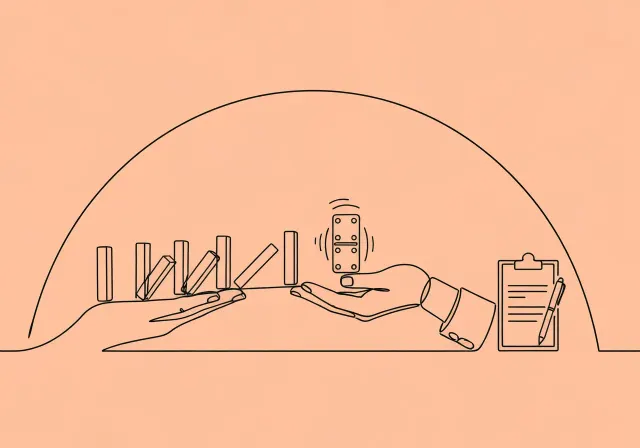
Behavioral Momentum refers to the tendency for behaviors to persist once they’ve gained strength through reinforcement. Think of it like an object in motion that stays in motion. In ABA therapy, this principle helps RBTs increase compliance. You start with easy tasks that build a pattern of success.
The core technique is the High-P Request Sequence. Here, you present several high-probability (high-p) requests—tasks the client is likely to complete—before a low-probability (low-p) one. According to Intellistars ABA (2023), this strategy promotes compliance. It reduces challenging behaviors by creating a positive cycle of success.
For RBTs, the purpose is clear. It makes sessions more efficient, especially for clients with autism or developmental delays who may resist demands. Research shows compliance can increase from a baseline average of 23% to 76% within the first week of implementation Effects of High-Probability Request Sequences on Preschoolers’ Compliance, as noted by Childwise ABA (2024).
The High-P Sequence typically involves 3-5 quick, easy requests followed by reinforcement. Then comes the target low-p task. This approach aligns with the BACB’s emphasis on evidence-based practices. For example, start a session with “Clap your hands” or “Touch your nose” (high-p) before asking to “Sit at the table” (low-p). It builds motivation without force.
As an RBT compliance strategy, it fosters cooperation. You can focus on skill-building rather than battles over refusal. It’s particularly valuable in natural environments, like home or school sessions. Transitions there can spark resistance. By documenting these sequences, you ensure accountability. This helps BCBAs refine plans.
Step-by-Step Guide to Identifying High-P and Low-P Tasks
Selecting the right tasks forms the foundation of an effective High-P Request Sequence. As an RBT, start by observing the client across settings. Pinpoint what they naturally comply with. High-P tasks are those completed 80-100% of the time independently Fundamental Skill Sheet - High-Probability Requests. Low-p tasks see less than 40% compliance.
Follow these verified steps from How to ABA (2023). They help you gather solid data.
First, observe and collect data. Track the client’s responses over several sessions. Note tasks like simple motor actions (e.g., “Stand up”) that get quick yeses. Contrast them with avoided ones (e.g., “Write your name”).
Next, consult stakeholders. Interview parents, teachers, or caregivers about preferences and history. They might reveal that a child always claps hands. But the same child resists cleaning up toys.
Then, build a task list. Categorize potential requests by relevance to therapy goals. Ensure high-p tasks are simple, familiar, and one-step. Examples include “Give me five” or “Point to the red card.”
After that, test for confirmation. Present tasks 10 times in a neutral setting. Adjust based on actual rates. If compliance dips below 80%, swap it out.
Finally, reassess regularly. Skills evolve, so update your list every few weeks. For instance, a once low-p task like “Put away blocks” may become high-p with practice.
This process ensures tasks are client-specific. It avoids generic lists that fail. According to the IRIS Center at Vanderbilt University (2023), relating high-p tasks to the low-p one enhances relevance. For example, use motor actions before a fine-motor skill. This boosts momentum.
Practical Implementation Steps for RBTs in Sessions
Once tasks are identified, implementing the High-P Request Sequence in real sessions is straightforward. It requires timing and enthusiasm. As an RBT, your goal is to create uninterrupted flow. This maintains behavioral momentum.
Here’s a step-by-step process adapted from Magnet ABA (2024). Use it to guide your sessions smoothly.
Begin by preparing the environment. Set up a distraction-free space with reinforcers ready. These might include praise, tokens, or a preferred item. Ensure high-p tasks fit the session’s theme, such as academic or social skills.
Now, present the sequence. Deliver 3-5 high-p requests in rapid succession—within 5-10 seconds each. For example: “Touch your nose” (reinforce with “Great job!”). Follow with “Clap hands” (reinforce). Then “Stand up” (reinforce). Use an upbeat tone to build positivity.
Transition to the low-p request right after. Immediately after the last high-p response, issue the target. Say, “Now let’s do three math problems.” Pause no longer than 5 seconds to preserve momentum.
Reinforce all responses promptly. Provide immediate, consistent reinforcement for both high-p and low-p successes. This could be verbal praise or access to a break. If non-compliance occurs, calmly repeat the sequence without punishment.
Monitor and adjust as you go. Watch for signs of momentum, like quicker responses. If resistance persists, add one more high-p request. Or switch to a different low-p task.
In practice, this RBT compliance strategy shines during transitions. A study in the Journal of Applied Behavior Analysis Behavioral momentum in the treatment of noncompliance (Mace et al., 1988, via PMC) found it reduces escape behaviors effectively.
Success rates for such interventions reach 78-85%, compared to 45-60% for traditional methods High-Probability Request Sequence to Increase Compliance, per Links ABA (2024). Start small in one session segment to build confidence.
Detailed Guide on Documenting Behavioral Momentum for RBT Compliance
Accurate Behavioral Momentum documentation RBT is crucial for tracking progress. It supports BCBA oversight. This captures the sequence, reinforcement, compliance, and effects. It ensures ethical, data-driven practice. Use session notes or digital tools like Praxis Notes for HIPAA-compliant records.
Key elements to include come from Study Notes ABA (2023). Focus on these for thorough notes.
Start with the sequence implemented. List specific high-p requests (e.g., “3 requests: touch nose, clap hands, give high-five”). Add the low-p target (e.g., “Complete 5-word sentence”). Note timing and number (e.g., 3 high-p in 30 seconds).
Describe the reinforcement used. Explain what and when (e.g., “Verbal praise after each high-p; token + preferred toy after low-p compliance”). Track if it matched the client’s preference profile.
Record client compliance or non-compliance. Note rates (e.g., “100% high-p compliance; 80% low-p over 5 trials”). Include latency (e.g., “Responded in 2 seconds”). Mention any challenging behaviors (e.g., “Brief refusal, resolved with repeat sequence”).
Note the observed momentum effect. Describe outcomes like increased engagement (e.g., “Session flow improved; escape behaviors dropped from 4 to 1 instance”). Compare to baseline for trends.
An example entry might read: “Implemented High-P Sequence before handwriting task. High-p: Stand (complied, praised); Clap (complied, token); Touch head (complied, high-five). Low-p: Write ‘cat’ (complied after 3 seconds, reinforced with sticker). Momentum effect: Overall compliance rose to 90%; client initiated next task.”
Document in real-time or immediately after to avoid bias. Many BCBAs rely on such detailed notes for intervention adjustments.
Common Pitfalls and Ethical Considerations for RBTs
Even with solid preparation, RBTs can encounter hurdles in High-P sequences. One common pitfall is selecting non-true high-p tasks. This leads to failed momentum. Always test first.
Delays between requests break the flow. Practice rapid delivery to avoid this. Inconsistent reinforcement erodes trust. Vary it based on client needs, but stay consistent in delivery.
Another issue is over-relying on the strategy without fading it. This can create dependency. According to Astro ABA (2023), gradually reduce high-p requests as compliance improves. This promotes independence.
Ethically, adhere to the RBT Ethics Code 2.0 (BACB, 2022). Prioritize client dignity and autonomy. Avoid coercive use that ignores preferences, as this risks harm. Ensure informed consent from guardians and respect cultural contexts.
For instance, if a sequence causes distress, pause and reassess. Do no harm is paramount. Advanced Autism Services (2023) emphasizes balancing compliance with respect. This prevents dehumanization. If dilemmas arise, consult your BCBA immediately. These considerations ensure High-P sequences enhance therapeutic relationships.
Frequently Asked Questions
What is Behavioral Momentum in ABA therapy for RBTs?
Behavioral Momentum is an RBT strategy that uses a series of easy, high-probability tasks to build compliance before tougher ones. It leverages the idea that successful behaviors persist. This increases engagement and reduces resistance, as explained by Cross River Therapy (2023).
How do RBTs identify effective high-p requests?
RBTs observe client responses, consult caregivers, and test tasks for 80%+ compliance rates. Examples include simple actions like “Clap hands.” This ensures relevance, per How to ABA (2023).
What role does reinforcement play in High-P sequences?
Immediate reinforcement after each response—praise or tokens—strengthens the momentum effect. It motivates compliance with low-p tasks. This boosts overall session success, according to Magnet ABA (2024).
Can Behavioral Momentum reduce challenging behaviors like tantrums?
Yes, by easing into demands, it decreases escape-maintained behaviors. Studies show reductions from 73% to 23% in such cases High-Probability Request Sequence to Increase Compliance, as noted by Ambitions ABA (2023).
How often should RBTs reassess High-P tasks?
Reassess every 2-4 weeks or after skill gains, as preferences change. This keeps strategies effective and client-centered, per IRIS Center (2023).
What are common challenges in documenting successful responses?
Challenges include inconsistent details or overlooking latency. Focus on specifics like compliance rates and effects. This supports data-driven adjustments, from Study Notes ABA (2023).
In summary, mastering Behavioral Momentum documentation RBT through High-P Request Sequences empowers you to create compliant, positive sessions. Evidence from sources like the Journal of Applied Behavior Analysis confirms its impact. Escape behaviors can drop significantly. Engagement soars with consistent use.
As an RBT, this strategy boosts your effectiveness. It also respects client growth. Next steps: Review a recent session for low-p tasks. Trial a 3-request sequence tomorrow. Log results precisely. Consult your BCBA for personalization. Integrate this with tools like Praxis Notes for seamless tracking. By prioritizing evidence-based practices, you’ll enhance outcomes and client confidence. Small successes lead to lasting momentum.