In-Home vs. Clinic ABA Documentation: Key Differences
Compare in-home and clinic ABA documentation practices. Expert insights on setting-specific notes, RBT fidelity, privacy, and skill transfer for BCBAs and RBTs.

By Praxis Notes Team Editorial team
Published 8 min read
On this page
In-Home vs. Clinic ABA Documentation: Key Differences
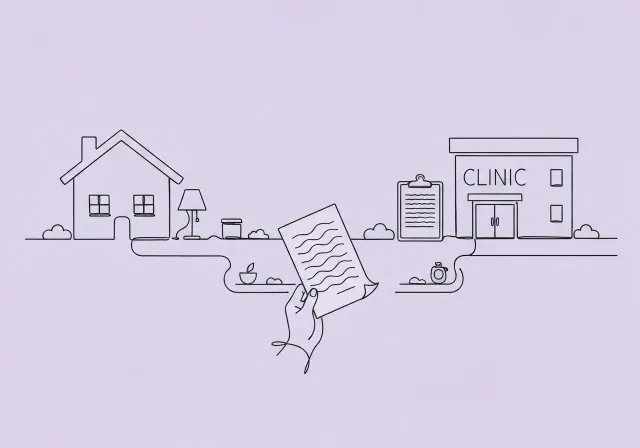
When deciding on ABA therapy locations like home or clinic, BCBAs and RBTs face big impacts on their documentation. Both spots need strict BACB rules. Yet, home’s surprises differ from clinic’s steady setup. This calls for smart in-home vs. clinic ABA documentation tactics. They help keep ethics solid and funding flowing. Notes must grab session details that shape behavior, oversight, and skill spread. All this boosts client growth.
For BCBAs guiding RBTs, or RBTs writing daily logs, grasping these gaps avoids slip-ups. It sharpens choices based on data. Here, we dive into setting-unique factors, audit styles for supervision, HIPAA note risks, and skill transfer plans. We also include a checklist for smoother work.
Key Takeaways on In-Home vs. Clinic ABA Documentation
- Home notes stress changeable family factors for real-life context.
- Clinic logs lean on steady routines for simple trend spotting.
- Both demand ABC data, but homes need more descriptive details.
- Tailored docs protect compliance and aid insurance claims.
- Use tools like templates to blend settings without overload.
Introduction to the Setting Challenge
ABA therapy relies on exact notes. The spot matters—home’s busy vibe or clinic’s calm control brings its own hurdles. Home sessions mix in family ups and downs plus everyday distractions. This means notes track shifting scenes. Clinic work sticks to set steps for quick checks.
The BACB Ethics Code for Behavior Analysts (2022) says all notes must be spot-on, prompt, and full enough for checks. This holds no matter the place. But tweaks fit each spot BACB Ethics Code.
Settings change how we watch behavior and stick to plans. Take BCBAs making sure RBT notes match insurance needs, like Medicaid rules. Payers demand full scene details. Miss them, and claims get denied Applied Behavioral Analysis Documentation Requirements - Nebraska Total Care. Handling these gaps keeps compliance documentation BCBA strong. It leads to real wins for kids with autism or other needs.
BACB rules like session logs and progress checks apply everywhere. But home shifts call for richer stories to back plans. Clinics use steady setups to track patterns easy. Not just protects your certification—it also helps RBTs feel more confident in their input for BCBA reviews.
In-Home vs. Clinic ABA Documentation: Environmental Variables
Scene factors steer ABA big time. Think noise, family chats, or space setup. In home-based versus clinic documentation, RBTs log these ABA setting specific notes. This lets BCBAs pull intervention wins from background buzz. BACB pushes clear ABC logs in every spot. Homes need wider life details for their wild cards BACB Professional and Ethical Compliance Code.
Home therapy hits dynamic bits. Like kid breaks from siblings or home flow. RBTs jot health checks, wants like hunger, and spot setups. Say a kid bolts at meal time. Note “loud TV near sibling” aids BCBA tweaks. Good moves: Set note spots for these. Stick to seen facts, like “room at 85°F” not “kid looked off.” Chat with parents first, per behavior tips.
Clinic spots give tight control. Changes like group moves or shared gear stay predictable. RBT environmental variables here spotlight set shifts. Like “peer pull in hall wait” or cool air fails. Notes stay short on sameness. This helps spot trends over time. Guides say clinics cut note load 20-30% with fixed forms. Figures differ by group Theralytics ABA Session Notes Examples.
Link spots with ABC everywhere. Flag trends, like behavior jumps in home noise, for BCBA eyes. Tools like Praxis Notes’ forms make sure details fit ethics and data smarts. For more on picks, see our ABA Measurement Procedures: BCBA Decision Guide.
Key In-Home Variables
- Family tension.
- Daily habits.
- Private bits, like fresh sickness.
Key Clinic Variables
- Group flows.
- Building shifts, like new tools.
Universal Tip
Focus on behavior-tied factors. Skip extra fluff.
Supervision and Fidelity Documentation: Auditing RBTs in Home vs. Clinic
ABA oversight keeps RBT skills sharp. BACB sets at least 5% of hours for checks. Log it in sheets, deals, and watch records RBT Handbook - BACB. Standards stay the same. But in-home vs. clinic ABA documentation shapes BCBA audits. They gauge plan stick-to-it-ness. BACB’s 2022 fieldwork rules need monthly forms on dates, tasks, and spots. This fits all, but homes lean on far-off ways for travel ease BACB BCBA Handbook.
Home oversight notes spot access snags. Like trips or private bounds. BCBAs pick video watches or after-chat looks. RBT logs must spell session scenes for true checks. Say prompt steps in family jobs. This spot builds full audits. It grabs real use. But add clear HIPAA guards for far logs, per pros All Star ABA on RBT Supervision.
Clinics smooth audits with close reach and team areas. Direct watches of group stick-to-it. Notes hit repeat stats. Like watcher match in team times. This cuts swings. BCBAs scan RBT logs live. They check the 4 C’s: clear, short, right, full. Tips say clinics hit more watch rates. This builds quick feedback Master ABA on Supervised Fieldwork.
Both need 7-year log keeps BCBA Handbook - BACB. Do skill checks as needed by BACB. For RBTs, time-stamp watches. Add boss notes in wrap-ups. Check our full RBT Supervision Documentation: 2025 Compliance Guide for forms on new shifts.
- Sketch deals on watch styles (face-to-face or video).
- Track hours with spot notes for BACB checks.
- Give RBT tips in 24 hours. Builds stick-to-it.
Privacy and HIPAA: Risk Documentation Differences
HIPAA stays key in ABA. It guards health info like notes and behavior stats. In compliance documentation BCBA work, home-based versus clinic documentation splits on risk spots. Homes raise chance leaks from family eyes or loose moves. HHS Privacy Rule (2024) sets least-share rules. Encrypt e-files. Report breaks in 60 days. This hits all, but homes amp it up HHS HIPAA Privacy Rule.
Home dangers cover seen notes in sessions. Or lost gear on go. RBTs log guards like locked apps. Get okay for family joins. BCBAs check for slips. Like non-safe emails on progress. Train on safe toss, say shred paper. Traps hit sharing with non-parents. Notes spell okay’s clear. This cuts fines from $141 to $71,162 each, by 2024 HHS tweaks What are the Penalties for HIPAA Violations? 2024 Update - HIPAA Journal.
Clinics gain from lock spots, like file rooms. But group watches risk it. Need logged screens or role apps. Notes stress track paths for team PHI shares. Keep clinical from talk notes. Safe tools with logs ease this. They cut break odds by fast fix Accountable HQ on HIPAA Training.
Tie it with yearly trains and risk looks. Log them for proof. For clinic tips, see our HIPAA Compliance ABA Documentation Guide for Clinics.
In-Home Risks
- Move shows.
- Family side views.
Clinic Risks
- Shared zones.
- Team reach.
Best Practice
Pick locked spots like Praxis Notes for PHI.
Generalization Documentation: Planning for Skill Transfer Across Settings
Skill spread makes ABA stick past sessions. It’s a must per BACB ethics. In in-home vs. clinic ABA documentation, RBTs log context, data, tricks, and hold. Homes’ natural mix helps real use over clinic’s set tests. BACB Ethics Code pushes spread plans for self-rule. Notes prove skill stay over spots BACB Ethics Code.
Home logs shine on surprise shifts. Like kid asks during family out. RBT notes no-help tries, say “kid got snack from sib in 3 of 5.” Shows spot spread. This needs steady tests in home mixes. Fade helps step-by-step. Pull in parents for boosts. Tricks cover many samples. Teach hellos in kitchen or den, per guides Advanced Autism on ABA Generalization.
Clinic logs hit cue and reply spread. Note peer chats or toy changes for world prep. Tight starts let exact hold checks. Like skill keep after fade. Types cover spot jumps (home to school). Long tests. Skip fuzzy words for payer okay The Treetop on ABA Generalization Strategies.
Mix parent train logs for cross wins. Use data pages for checks. For skill tips, see our Documenting Skill vs Behavior Data: ABA Guide for Beginners.
Types to Document
- Cue (like hints).
- Reply (skill tweaks).
- Hold (long keep).
In-Home Focus
- Natural pulls.
- Family roles.
Clinic Focus
- Group tests.
- Set fades.
Frequently Asked Questions
How does the documentation process differ between in-home and clinic-based ABA therapy?
BACB rules stay even. But home notes push scene factors like family for true spots. They use fuller tells. Clinic notes pick steady data flows from tight spots. Easier audits. Both need clear ABC. Homes may add video okay’s for far checks Athena Care on ABA Settings.
What are the key differences in supervision requirements between home-based and clinic settings?
Logs and 5% hours hit both. Homes note more far or video watches for ease. Need safe HIPAA ways. Clinics do more face audits. Simpler checks. Keep forms 7 years per BACB. Spell watch types QABA on ABAT Supervision.
What specific environmental factors should be prioritized in ABA documentation?
Hit health like sleep. Social like parent stress. Spot like noise. Wants like hunger that sway acts. Homes note home flows. Clinics flag group moves. Use seen tells for BCBA help TextExpander on ABA Notes.
How can ABA therapists ensure their electronic data collection systems comply with HIPAA?
Pick locked, control, log systems. Train on least PHI share. Log okay’s and breaks fast. Home needs gear guards vs. steal Motivity on HIPAA for ABA.
What are the most effective strategies for documenting skill generalization in ABA?
Add spot, measure data, fade helps, hold tests in notes. Test new spots before and after. Pull parents for natural boosts. Skip loose terms for fund rules RORI Care on Generalization Strategies.
How does family involvement differ between in-home and clinic-based ABA therapy?
Home pulls families in via trains and watches. Log for spread. Clinics cap at set sessions. Note peer ways. Both need okay for PHI Brighter Strides ABA on In-Home vs. Clinical.
Wrapping up what we’ve covered, strong in-home vs. clinic ABA documentation adapts to each spot’s truth. It holds BACB’s push for right and ethics checks. Home scenes need deep logs to sort pulls. Audits gain from clinic order. HIPAA needs ahead guards all over. Spread plans link both for skills that last. Pros’ proof shows fit notes keep rules and lift client wins. Like steady track from sources.
For BCBAs and RBTs, pick clear, spot-full records. They back insurance and checks. Next, scan notes vs. BACB. Use safe forms from Praxis Notes. Set team trains on spot gaps. This lifts compliance documentation BCBA ways. Builds RBT sureness. Gives strong ABA care. For goal fits, see our ABA Goal Documentation Compliance: BCBA Guide.
Best Practices Checklist
- Use ABC with scene factors each note.
- Log oversight bits, way and tips.
- Lock PHI. Note HIPAA trains as needed.
- Test spread over 2+ spots per skill.
- Check notes weekly with BCBAs for stick.