
Observer Reactivity & Bias in ABA: BCBA Exam Guide
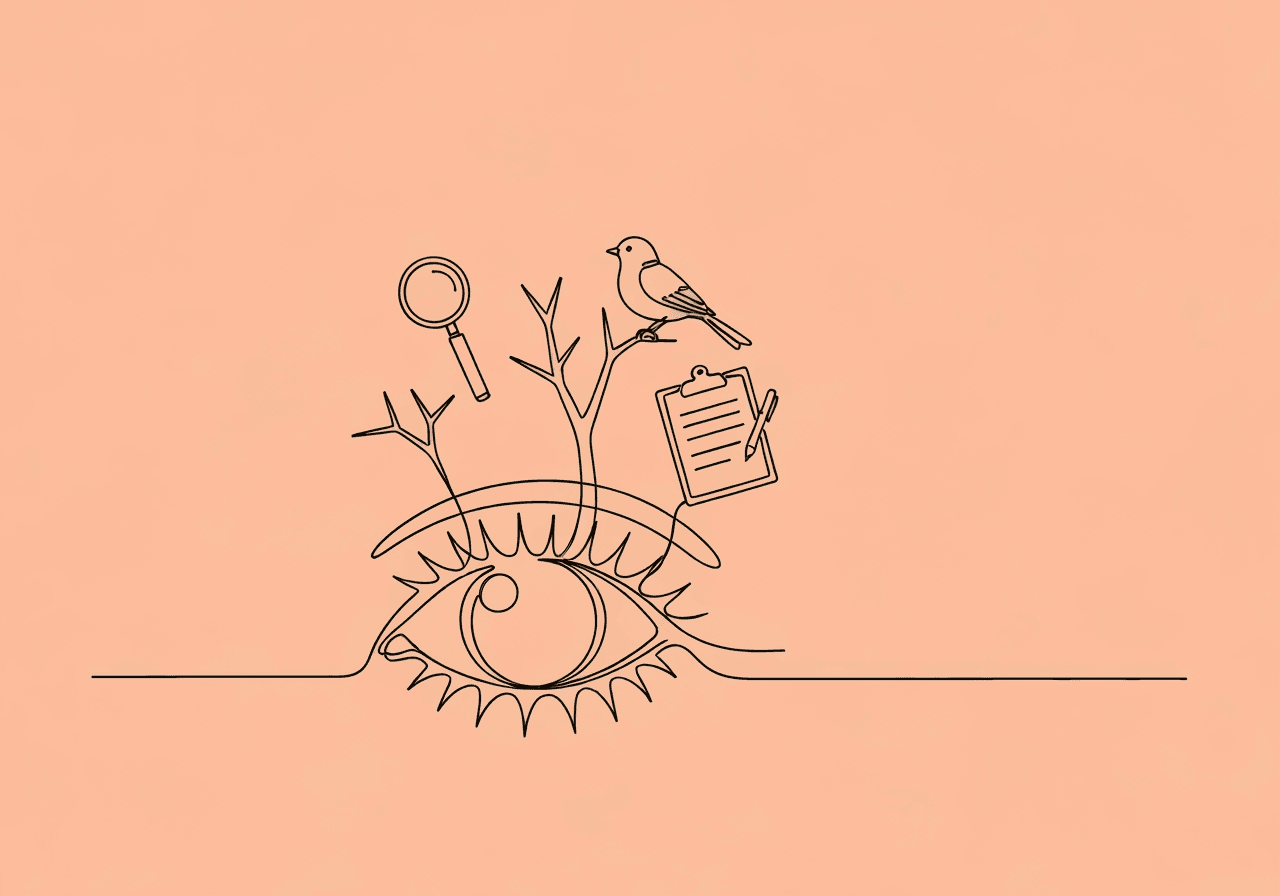
Observer Reactivity and Bias in ABA: Key Challenges for BCBAs
Applied Behavior Analysis (ABA) demands precision in a fast-moving field. Here, data accuracy directly impacts client progress and ethical standards. Threats like observer reactivity and bias ABA can undermine interventions. As a BCBA, you've likely seen how altered behaviors or skewed recordings lead to poor decisions. These issues affect outcomes and raise audit concerns.
This guide offers evidence-based strategies to protect BCBA data integrity. It draws from BACB standards and peer-reviewed practices. You'll learn the differences between reactivity and bias. You'll review ethical rules. And you'll get practical steps for mitigation, plus documentation tips.
By the end, you'll have tools to spot, fix, and record these problems. This supports your supervision role and exam prep.
Key Takeaways
- Observer reactivity changes client behavior due to awareness of being watched, while observer bias stems from the observer's expectations skewing data.
- BACB Ethics Code 1.04 requires truthful practices to avoid data inaccuracies from these issues.
- Use IOA checks in at least 20% of sessions, blinding, and calibration to minimize risks and maintain BCBA data integrity.
- Ongoing monitoring and detailed logs help detect drift and ensure compliance during audits.
- Regular training and self-reflection build a culture of reliable observation in your team.
Understanding Observer Reactivity and Bias in ABA
Observer reactivity and bias ABA pose distinct threats to data accuracy. Reactivity happens when an observer's presence changes the client's behavior. For example, a client might hide problem behaviors if they know they're watched. This ties to the Hawthorne effect. It warps baseline data and makes treatments seem more effective than they are.
Observer bias, on the other hand, comes from the observer's expectations. It leads to uneven or biased recordings. Say an RBT expects client gains. They might downplay small issues. This creates errors that harm BCBA data integrity. A 1977 Journal of Applied Behavior Analysis review links these to procedural issues and expectancies. It calls for strong controls Artifact, bias, and complexity of assessment.
BCBAs must spot the difference in supervision. Reactivity hits the client's actions. Bias affects the observer's notes. Both cut into data trust. Targeted checks can fix this, per ABA guidelines The role of observation in assessing behavior.
Ethical Mandates: BACB Guidelines on Integrity and Observation
BCBAs must keep data honest. This stems from the BACB Ethics Code. Code 1.04 on Integrity requires truthfulness. It pushes for honest work in teams. It avoids setups that encourage lies, like fake observations. This hits observer reactivity and bias ABA hard. Bad data breaks service trust and risks poor care.
The code lacks a specific 3.05 on observer bias. But sections like 3.0 on client responsibility stress solid assessments. The 2022 Ethics Code says BCBAs should set up spaces free of bias. Use tools like calibrated observers Ethics Code for Behavior Analysts.
Ignoring these can spark ethics breaches. BACB enforcement summaries show data integrity lapses under professionalism rules. While not always tied to bias alone, they cover broad integrity failures A Summary of Ethics Violations and Code-Enforcement Activities. For exams, remember proactive steps like reliability checks keep you compliant. These rules guide your work and shield against reviews.
Step-by-Step Strategies to Mitigate Observer Reactivity and Bias
Tackle observer reactivity and bias ABA with clear methods. Start with low-key watching. Hide the observer's role. Use one-way mirrors or video links. This lets behaviors settle without change. Add habituation time. Let clients get used to the setup over sessions. Research backs this for natural responses Minimizing observer bias in behavioral studies.
To fight bias, blind observers to treatment info. Keep data objective during collection. Have multiple observers work apart but at the same time. Check interrater reliability for steady results.
Run interobserver agreement (IOA) checks often. Aim for at least 20% of sessions. This is a key practice in ABA. Pair new RBTs with experts for live tweaks Questing for the Gold Standard of IOA Agreement. For minimizing observer drift, retrain with standard videos. Drift shifts criteria over time. Periodic sessions catch it early.
Use checklists for self-checks. They flag personal biases. Add treatment integrity reviews. These measure how well procedures stick. They block observer influences. Layer these for strong data Interobserver Agreement (IOA).
Think of a case where an RBT's expectations led to underreported incidents. Blinding and IOA fixed the gaps. This boosted BCBA data integrity. In teams, rotate observers to spot patterns. It keeps things fresh and fair.
Documentation Best Practices for Ensuring Data Integrity
Good records turn strategies into proof. They're vital for BCBA data integrity. Log every IOA detail. Note who observed, when, agreement rates, and setup issues like noise.
Pick IOA formulas wisely. Use interval-by-interval for steady behaviors. Skip it for fast ones. It avoids fake highs. Fidelity forms track procedure sticks. Add spots for reactivity signs, like client looks at the observer. Flag bias mismatches in counts.
Training logs show IOA before and after. Prove skills for solo work. Graph data from different observers. Spot drift in trends. Annotate odd shifts weekly.
Store digitally with HIPAA rules. Tie logs to notes. For more on fidelity, see our BCBA Treatment Integrity Documentation: 5 Key Steps.
These steps aid ethics checks. They ease supervision too. Imagine reviewing a log during an audit. Clear entries show your diligence. This builds trust in your practice.
Detecting and Correcting Drift Through Ongoing Monitoring
Observer drift builds from bias. It shifts recording rules without notice. Long sessions often cause it. For minimizing observer drift, run calibration in 20-30% of sessions for stable teams. Use coded videos to reset standards Essential Guide to BCBA Procedural Drift Documentation.
Check data graphs across observers. Look for slow changes, like looser agreement lines.
Journals help observers track factors like tiredness. They build self-accountability. Procedural integrity probes check delivery. They catch drift indirectly.
See our BCBA Procedural Integrity Procedures: How-To Guide for PI steps. Audits keep accuracy high. They match BACB's push for growth.
In practice, a team noticed rising IOA drops. Calibration sessions fixed it. Graphs confirmed steady data after. This example shows monitoring's power for BCBA data integrity.
Documenting Corrective Actions in Supervision Logs
Spot reactivity or bias? Log it fast in supervision notes. Keep it open. Describe the event: date, session info, gap like 15% IOA difference, and why—like known treatment details.
List fixes: retrain right away or redo sessions. Verify with follow-up IOA.
Tie to Code 1.04. Show it upholds integrity. Assess client effects to prove no harm. Plan prevention, like better blinding.
For reliability basics, check our ABA Measurement Reliability and Validity: BCBA Guide.
These logs meet supervision needs. They create strong audit defenses. Regular use fosters team honesty.
Frequently Asked Questions
How Can Observer Reactivity Be Minimized in ABA Studies?
Reactivity makes subjects change due to monitoring awareness. Cut it with hidden methods like videos or screened views. Habituation lets clients adapt over time. Build rapport to make sessions routine. Guidelines say these bring back true behaviors The Hawthorne Effect or Observer Bias in User Research.
What Are Effective Strategies to Reduce Observer Bias in Behavior Analysis?
Hide treatment info from observers. Use separate raters for checks. Stick to clear protocols with firm definitions. IOA in 20% of sessions spots issues fast Questing for the Gold Standard of IOA Agreement.
How Does Observer Drift Differ from Observer Reactivity?
Drift means slow shifts in recording rules over time. It causes uneven data. Reactivity changes client actions from being watched. Both hurt trust. Drift needs calibration. Reactivity calls for setup tweaks Artifact, bias, and complexity of assessment.
What Role Does IOA Play in Minimizing Reactivity and Bias?
IOA checks observer matches. It flags bias or reactivity gaps. Do it in at least 20% of sessions. Use count formulas for rare behaviors. Low results mean retrain. This keeps data solid Questing for the Gold Standard of IOA Agreement.
How Often Should Observer Training Occur to Prevent Bias in ABA?
Regular or ongoing training stops bias. Start with competency tests. Add refreshers as needed. Pair with IOA to catch drift. BACB backs this for tough settings Ethics Code for Behavior Analysts.
Can Technology Reduce Observer Reactivity in Documentation?
Yes. Secure videos let reviews happen after sessions. No live watching means less change. AI coding standardizes notes. But keep human checks. Studies show video aids fair checks.
To wrap things up, tackling observer reactivity and bias ABA builds ethical ABA practice for BCBAs. Know the threats. Follow BACB Code 1.04 on integrity. Use blinding, IOA, and monitoring for real progress data. Log efforts—from checks to fixes—for strong BCBA data integrity. This aids supervision too.
Audit your IOA for 20% coverage now. Plan bias training for your team. Add drift graphs to trends. For documentation help, see our BCBA Data Trend Documentation: Essential FAQ Guide. These steps prep you for exams and better client care.
Popular in Study Guides & Exam Prep
- 1
2025 RBT Competency Assessment Preparation Checklist
6,56710 min read - 2
BCBA Ethical Decision-Making Model: 8-Step Exam Guide
3,3808 min read - 3
RBT Exam Study Guide 2025: Complete Prep with Practice Questions & Tips
2,9828 min read - 4
ABA Continuous Measurement (Frequency, Duration)
2,6656 min read - 5
RBT Task List A-01: Prepare for Data Collection — 7-Step Checklist
2,1656 min read
Popular in Study Guides & Exam Prep
- 1
2025 RBT Competency Assessment Preparation Checklist
6,56710 min read - 2
BCBA Ethical Decision-Making Model: 8-Step Exam Guide
3,3808 min read - 3
RBT Exam Study Guide 2025: Complete Prep with Practice Questions & Tips
2,9828 min read - 4
ABA Continuous Measurement (Frequency, Duration)
2,6656 min read - 5
RBT Task List A-01: Prepare for Data Collection — 7-Step Checklist
2,1656 min read
Related Resources
Explore more helpful content on similar topics
BCBA External Validity Threats: Documentation Essentials
Uncover BCBA external validity threats like sampling bias and setting limitations that hinder ABA generalizability. Learn essential documentation strategies to enhance real-world application and uphold ethical standards in behavior analysis.
Essential BCBA Supervision Contract Requirements
Discover essential BCBA supervision contract requirements per BACB guidelines. Master the 8-10 key sections, customize for remote or in-person needs, and implement ethical documentation tips for compliance and audit readiness.

BCBA Visual Analysis of Data: Exam Prep Essentials
Master BCBA visual analysis of data essentials for your exam. Discover how to interpret level, trend, and variability in ABA for functional relations. Ace your BCBA test with expert tips!