Permanent Product vs Event Recording: ABA Guide
Struggling with ABA documentation? Compare Permanent Product vs Event Recording: definitions, best uses, examples, and BCBA guidelines for reliable RBT practices.

By Praxis Notes Team Editorial team
Published 5 min read
On this page
Imagine you’re an RBT in a busy ABA session, tracking a learner’s progress without constant eyes on every move. That’s where choosing the right documentation method matters. Permanent Product vs Event Recording highlights a core choice: one reviews lasting results, the other counts actions as they happen. For RBTs and BCBAs, these tools drive ethical, data-backed decisions that help clients thrive.
This guide covers the basics so you can pick and use them with ease. You’ll find:
- Definitions and best-use cases for each.
- A quick comparison table.
- Examples from key ABA skills.
- Ways to keep data reliable per BACB rules.
Key takeaways to guide your choice:
- Permanent product works best for skills leaving visible traces, like completed tasks.
- Event recording excels at counting repeatable behaviors in the moment.
- Combine them for fuller insights into skill growth and frequency.
- Always align with BACB standards to boost reliability.
- Tailor to the setting—indirect review saves time, real-time catches nuances.
Understanding Permanent Product Recording
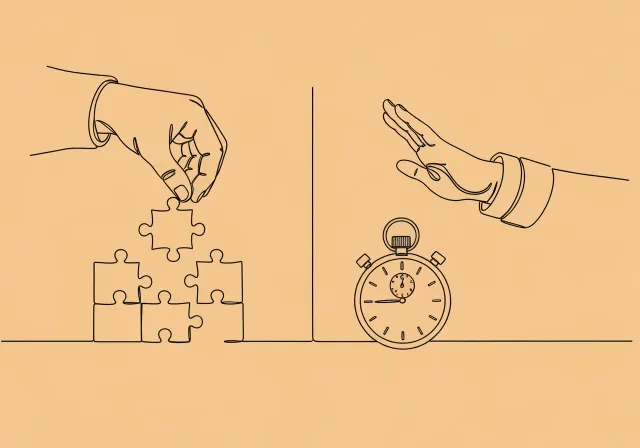
Permanent product recording examines the lasting results of a behavior, skipping the observation of the act itself. Think completed puzzles or tidy workspaces—these show skill use clearly. It fits well in spots like homes or schools, where outcomes linger after sessions end, as BACB guidelines support for indirect checks.
RBTs apply this to skills that create artifacts. A learner finishes a puzzle alone, and the pieces stand as evidence. You might snap photos or note details like completeness to track changes over time.
This cuts down on interrupting sessions and lets BCBAs review later. Set clear standards first to dodge guesswork. Training on scoring rubrics, per BACB standards, sharpens its role in spotting long-term gains.
Exploring Event Recording in ABA
Event recording, also known as frequency recording, tallies each clear instance of a behavior in a set time. RBTs watch live and count things like hand raises or starts on tasks with apps or clicks. The BCBA Task List (5th ed.) stresses this for countable, visible actions to get exact rates.
It suits short bursts, such as replies in discrete trial training. Log session times, totals, and notes on surroundings. Picture noting 12 requests from a learner in half an hour.
This gives spot-on frequency details but can tire observers in long runs. A review in the Journal of Applied Behavior Analysis (2002; core ideas still hold) found strong agreement in many studies with good protocols, though breaks help fight slip-ups from weariness.
Permanent Product vs Event Recording: A Side-by-Side Comparison
Picking permanent product or event recording hinges on the behavior and setup. Both fit ongoing ABA measures, but each fills a unique spot in documentation. Here’s a table based on standard practices.
| Aspect | Permanent Product Recording | Event Recording |
|---|---|---|
| Focus | Visible results, such as done projects | Counts of actions, like how many times something happens |
| When to Use | Skills with leftover proof; when you can’t watch live | Short events that repeat; need details right away |
| Required Personnel | Little hands-on time; check later | Someone watches the whole thing |
| Key Biases | Guessing at result quality | Tired eyes or overlooked small moments |
| Data Summary | Mix of notes and numbers, e.g., share finished | Just counts, e.g., 15 in an hour |
Permanent product boosts speed, event recording adds depth. For more on ongoing tools, see our continuous measurement guide. ABA texts like Cooper et al. suggest blending them for broader views.
Practical Examples Across ABA Skill Domains
Permanent product documentation and event recording ABA documentation shift with the skill, from schoolwork to daily routines. In academics, snap before-and-after shots of math sheets to show chaining’s impact—hypothetically spotting big improvements in finish rates.
For self-care, such as brushing teeth, event recording notes tries on their own during sessions. It helps spot where praise might lift success rates, like rewarding each right move.
Social skills? Permanent product reviews scripts from role-play, scored for flair. Event recording counts chats, say during playtime. These draw from ABA norms to build strong plans. New to this? Check our skill vs behavior data for starters.
Vocational tasks mix it up: permanent product checks folded clothes’ neatness, event recording tracks starts. Blending both, as ABA texts advise, creates full progress charts.
Ensuring Reliability and Validity in ABA Documentation
BCBAs and RBTs need solid data to hit BACB Ethics Code 4.0 marks on accuracy. For permanent product, use set rubrics—like rating neatness from 1 to 5—to limit slant. Have two team members score the same item; research like a PMC study on agreement backs high matches with prep.
Event recording calls for tuned watchers to catch all counts. Apps cut mistakes—many pros note worries about slips without them. Check trends weekly against starts to confirm.
Log setup details and run agreement checks monthly. Our visual analysis guide helps spot patterns. For ethics ties, see BACB resources. These steps make data guide sound ABA work.
Frequently Asked Questions
How does permanent product recording differ from event recording?
Permanent product checks lasting results, like a done sketch, for later looks. Event recording counts actions as they occur, such as trial replies. Timing sets them apart: products ease sessions, events track rates live. This suits outcomes vs. counts, per ABA standards.
What are the main benefits of using permanent product recording in ABA?
It brings clear proof from real items, fits tight schedules, and skips upsetting routines. Journal sources note its strength in following skills over time without full watch. Multiple eyes can check later for better trust.
Can permanent product recording be used for all types of behaviors?
No—stick to actions with clear leftovers, like school tasks or clean-ups. It skips quick ones, such as glances. ABA texts suggest event recording for those to cover all bases.
How can permanent product recording improve data reliability in ABA?
Objective items trim watcher bias over live counts. Set rules and images build team matches, tackling typical worries in the field.
What tools are most effective for event recording in ABA sessions?
Apps like Motivity or simple tallies handle live counts well. A Journal of Applied Behavior Analysis review (2002; ideas endure) supports strong results with training. Tech aids cut errors and speed reports.
When should RBTs choose event recording over permanent product?
Go for it on clear, countable actions like social starts that need quick tweaks. The BCBA Task List (5th ed.) guides this for trace-less behaviors to fine-tune plans.
How can permanent product and event recording be combined in ABA?
Pair them for rounded data: use products for end results and events for how often skills happen. This, as ABA guidelines suggest, builds full graphs of growth and frequency.
In summary, permanent product vs event recording gives ABA pros flexible ways to document well. Permanent product shines for result checks with less effort, event recording for detailed counts—together, they fuel proven steps despite hurdles like watcher slips.
For RBTs and BCBAs, this leads to stronger plans that fit client goals. Next: Check protocols to BACB rules, try team checks soon, and test apps for smooth flow. Master these, and you’ll lift sessions and skills.