
RBT First Session Notes: Beginner Guide & Tips
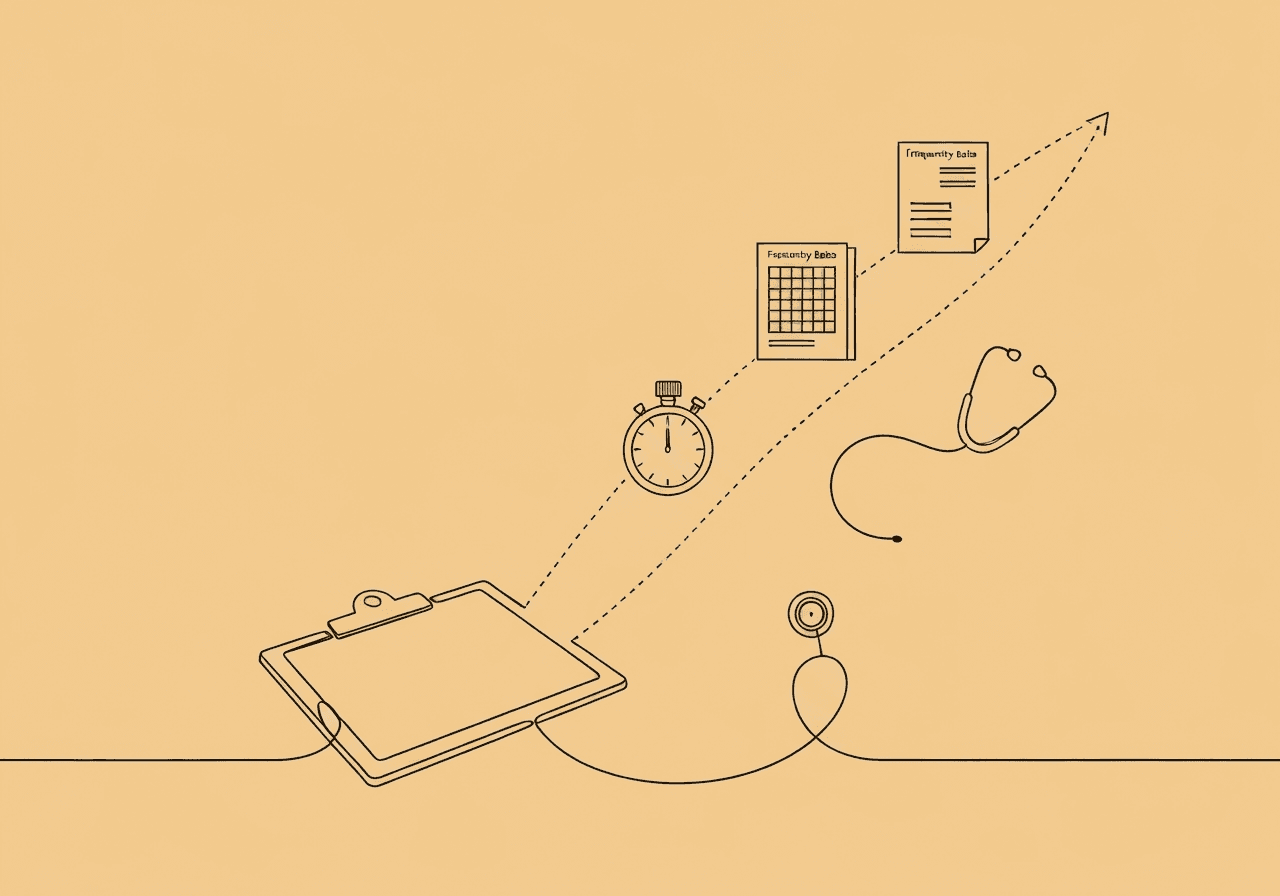
Starting your career as a Registered Behavior Technician (RBT) means nailing RBT first session notes from day one. With over 246,000 certified RBTs as of January 2026, according to the BACB Certificant Data, strong documentation sets you apart. It supports client progress too. Poor notes lead to compliance issues or unclear treatment plans. The right approach builds confidence and meets BACB guidelines.
This guide equips RBT students with practical steps for your first session. You'll learn pre-session prep and simple data collection. Master SOAP note structure, summaries for supervisors and parents, plus tips to avoid pitfalls. All backed by BACB guidelines and ABA best practices.
Key Takeaways for RBT First Session Notes
- Review the client's skill acquisition plan (SAP) and behavior intervention plan (BIP).
- Set up basic data sheets for frequency and duration tracking.
- Use SOAP format for clear, objective notes.
- Share concise summaries with BCBA and parents promptly.
- Stick to data-driven language to avoid common pitfalls.
RBT First Session Notes: Pre-Session Preparation and Materials Review
Before any session, review the client's skill acquisition plan (SAP) and behavior intervention plan (BIP). Check goals, target behaviors, and reinforcers. The BACB RBT Handbook (2025) stresses preparation. It ensures safe, effective service delivery.
Gather materials like data sheets, timers, and tokens. Confirm the environment is set up. Think quiet space and preferred items ready. As a beginner, ensure you have the client profile and consent forms, the updated SAP/BIP from your BCBA, and data collection tools like paper sheets or apps.
Link this to broader prep skills in our RBT Task List C-2 guide. Practice aloud to build fluency. This step prevents rushed notes. It supports accurate ABA beginner documentation.
RBT First Session Notes: Basic Data Sheet Setup for Frequency and Duration
Frequency data counts how often a behavior occurs. Think "manded toy 8 times." Duration data measures how long. Such as "on-task for 12 minutes." These suit first sessions for discrete targets. See ABA practices from Artemis ABA (2024).
Set up a simple sheet:
- Columns: Date, Time, Behavior Definition, Tally (frequency), Timer Start/Stop (duration), Notes.
- Define behaviors operationally: "Hand raise = arm above shoulder."
- Use trials: e.g., 10 DTT opportunities.
Example sheet row:
| Behavior | Frequency | Duration | Notes |
|---|---|---|---|
| Request toy | //// (4) | N/A | Vocal + gesture |
| Off-task | N/A | 2:45 min | Fidgeting during instruction |
Digital tools like tally apps work too. Track at least 2-3 targets. This beginner data collection feeds your notes. It shows trends early.
RBT First Session Notes: Simple Session Note Structure Using SOAP Format
Use SOAP notes for clear RBT first session notes. Subjective, Objective, Assessment, Plan. This format ensures objectivity. ABA providers like Sprypt (2024) recommend it.
- Subjective (S): Caregiver input. "Parent noted client slept poorly, seemed tired."
- Objective (O): Data only. "Completed 7/10 trials (70%); tantrum duration 1:30 min; 5 mands at rate 3/hour."
- Assessment (A): Progress summary. "Mastery criteria not met due to fatigue; frequency up from baseline."
- Plan (P): Next actions. "Fade prompts; add sleep log review."
Full example:
S: Client excited but reported "head hurts."
O: 12/20 SDs correct (60%); latency to comply averaged 15 sec.
A: Below goal; pain impacted focus.
P: Consult BCBA; prioritize easy tasks next.
Write within 24 hours. See our ABA session notes for beginners for templates.
Post-Session Summary for BCBA and Parents
After the session, draft a concise summary. Share with your BCBA via secure portal. Use HIPAA-compliant tools. Include graphs if possible. Visuals clarify trends.
For parents: Bullet key wins and data. "Client manded independently 4x—great job! Working on duration next." Avoid jargon.
BACB requires supervision docs for at least 7 years. See the RBT Handbook (2025). Email or app-share by end of day. This builds trust. It informs adjustments.
RBT First Session Notes: Common Pitfalls, Objective Language Tips, and BACB Compliance
RBTs often slip into subjective words like "good" or "bad." Stick to data. "Improved" becomes "14/20 vs. 8/20 prior."
Common errors:
- Vague goals: Fix with specifics.
- Missing signatures: Always include.
- Delayed notes: Write promptly.
The RBT Ethics Code 2.0 (2022) mandates truthful reporting (1.04) and supervision adherence. No fabricating data. Audits check this.
Tips:
- Use "occurred X times" over "lots."
- Proofread for BACB terms.
- Get BCBA feedback early.
BACB requires at least 5% of monthly supervision hours to include note review. See the RBT Ongoing Supervision Fact Sheet.
Frequently Asked Questions
What is the SOAP format for RBT session notes?
SOAP stands for Subjective (caregiver reports), Objective (measurable data), Assessment (progress analysis), and Plan (next steps). It's standard in ABA for structured, compliant notes. See Mentalyc (2024).
What are BACB requirements for RBT documentation?
RBTs must collect accurate data, report transparently, and retain supervision records for 7 years. Follow the Ethics Code 2.0 for truthful notes and BCBA oversight.
How do I collect frequency data as an ABA beginner?
Count each occurrence of a defined behavior, like requests. Tally during sessions and convert to rate (count/time). Use clear definitions to avoid errors. Raven Health (2024) recommends it.
What are common mistakes in RBT first session notes?
Including opinions ("client was lazy"), vague data, or delays. Stick to objective facts. Write promptly to meet ethics standards. See ABA note guides like Cube Therapy Billing (2024).
Why use duration data in first sessions?
It measures sustained behaviors like on-task time. Time start-to-end with a stopwatch for baselines. Ideal for beginners tracking engagement. ABA Matrix (2024) explains it.
How often should RBTs review notes with supervisors?
At least 5% of monthly hours under supervision, including note review. Document all contacts per BACB rules for compliance. See the BACB Supervision Fact Sheet.
Mastering RBT first session notes ensures ethical practice and client gains. From prep to compliant SOAP summaries, these steps align with BACB guidelines. They deliver clear value.
Next steps:
- Download a SOAP template and practice with mock data.
- Review your SAP before tomorrow's session.
- Share a draft note with your BCBA for feedback.
With consistent beginner data collection and ABA beginner documentation, you'll contribute to effective therapy right away. Start strong. Your notes shape progress.
Popular in ABA Session Notes & Tools
- 1
RBT Supervision Documentation: 2025 BACB Guide & Templates
6,5689 min read - 2
Master ABA Medical Necessity Documentation: Avoid Denials
4,1869 min read - 3
Master ABA SOAP Notes: Guide for RBTs & BCBAs
3,9879 min read - 4
ABA Documentation Best Practices for RBTs: Essential Tips
3,2965 min read - 5
Direct vs. Indirect RBT Supervision Documentation Guide
3,0347 min read
Popular in ABA Session Notes & Tools
- 1
RBT Supervision Documentation: 2025 BACB Guide & Templates
6,5689 min read - 2
Master ABA Medical Necessity Documentation: Avoid Denials
4,1869 min read - 3
Master ABA SOAP Notes: Guide for RBTs & BCBAs
3,9879 min read - 4
ABA Documentation Best Practices for RBTs: Essential Tips
3,2965 min read - 5
Direct vs. Indirect RBT Supervision Documentation Guide
3,0347 min read
Related Resources
Explore more helpful content on similar topics

ABA Session Notes for Beginners: Essential Guide
New to ABA? Master writing effective session notes as a beginner with our essential guide. Discover key components, best practices for objectivity, and BACB compliance tips to avoid common mistakes and ensure better outcomes. Start documenting like a pro today!
RBT Supervision Documentation: 2025 Compliance Guide
Master RBT supervision documentation with this step-by-step guide to compliant notes. Learn BACB requirements, key elements for supervision notes ABA, and prep for 2026 changes to stay certified and excel in ABA.

Master RBT Client Assent Documentation: Step-by-Step Guide
Master RBT client assent documentation with this step-by-step guide. Learn to monitor dissent cues, document ethically, and ensure BACB compliance for effective ABA sessions.