
Essential RBT Hygiene Checklist: Infection Control
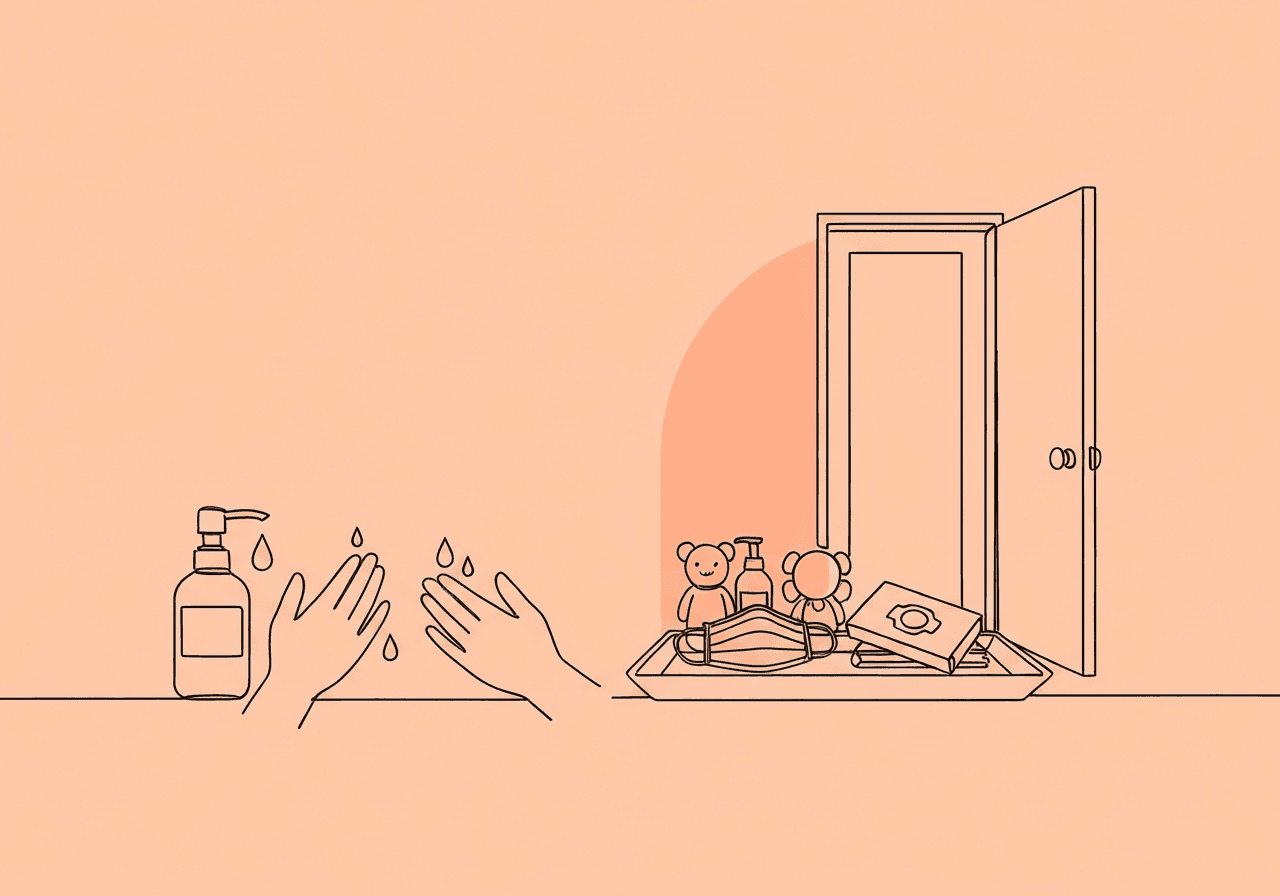
Essential RBT Hygiene Checklist for Safer Sessions
In the close-knit environment of home-based ABA therapy, a single overlooked hygiene step can risk spreading germs to clients who may already face health vulnerabilities. As an RBT, maintaining strict infection control isn't just best practice—it's vital for client safety and professional compliance. This RBT hygiene checklist equips you with actionable steps drawn from CDC guidelines and industry standards to protect everyone during sessions.
You'll find a step-by-step guide covering pre-session prep, hand hygiene, in-session cleaning, PPE use, post-session cleanup, documentation, and compliance tips. Use it to build safer home session safety routines that align with your daily workflow.
Here are 5 key takeaways from this RBT hygiene checklist:
- Prioritize hand hygiene before, during, and after all client contact to block germ spread.
- Clean high-touch surfaces and toys daily or when soiled using EPA-approved products.
- Use PPE like gloves for any fluid exposure, following safe donning and removal steps.
- Document every hygiene action in session notes for BACB compliance and audits.
- Partner with parents and supervisors through checklists and weekly reviews for ongoing improvements.
Why Every RBT Needs a Hygiene Checklist for Home ABA Sessions
Home sessions expose RBTs to unique challenges like shared living spaces and variable sanitation levels. ABA infection control prevents germ transmission. It aligns with ethical duties to do no harm.
The CDC outlines in their Infection Control Basics that standard precautions like hand hygiene form the foundation for all patient interactions, including therapy. This checklist adapts those principles for ABA. It reduces risks during hands-on teaching, toileting, or play-based interventions. Routine protocols help build confidence in your sessions, supporting behavioral health best practices.
Pre-Session Preparation: Sanitize Materials and Check Supplies
Start strong by readying your toolkit. Inspect and clean all items before leaving for the home. This step minimizes cross-contamination from prior sessions.
- Wipe therapy materials like data sheets, toys, and reinforcers with EPA-registered disinfectant. Let air dry per label instructions.
- Pack hand sanitizer (at least 60% alcohol), disposable wipes, gloves, and masks in a dedicated kit.
- Confirm supplies. Check expiration dates on sanitizers and ensure enough for the session.
- Review client allergies or sensitivities to cleaners via caregiver communication.
Industry practices from ABA providers emphasize clutter-free setups. Link this to your broader prep with our ABA pre-service compliance checklist. A quick 5-minute scan sets a professional tone.
Hand Hygiene Protocols: Before, During, and After Client Contact
Hand hygiene tops every guideline as the simplest, most effective barrier. The CDC recommends washing with soap and water for 20 seconds or using alcohol-based rubs before touching clients, after surfaces, and post-session.
Follow this sequence religiously:
- Before entering the home: Wash or sanitize upon arrival.
- Between activities: After toileting, feeding, or wiping noses—especially with young clients.
- After client contact: Immediately before packing up.
Visual cues like timers help consistency. For sensory-sensitive clients, model gentle techniques. Skipping this risks everything else in your checklist.
In-Session Cleaning: Surfaces, Toys, and High-Touch Areas
Mid-session wipes keep germs at bay without disrupting flow. Focus on high-touch spots like tables, floors, doorknobs, and shared toys. CDC home health guidance calls for disinfecting these daily or when soiled, using products that kill viruses on contact.
Key actions:
- Wipe therapy surfaces before use and between targets.
- Dedicate toys or sanitize between turns. Avoid sharing if possible.
- Clean spills instantly with disposable towels.
- Use barriers like mats under messy activities.
Incorporate natural breaks, like transitions. This upholds ABA infection control while teaching clients hygiene modeling.
PPE Guidelines: When and How to Use Protective Gear
Personal protective equipment (PPE) shields you and clients during close contact. OSHA's Bloodborne Pathogens Standard (29 CFR 1910.1030) requires gloves for potential fluid exposure, like diapering or wound care. During hands-on ABA activities, assess risks carefully. For instance, if a client has frequent runny noses or toileting needs, gloves prevent direct contact with bodily fluids.
Don PPE like this:
- Assess need: Gloves for bodily fluids. Use masks if coughing or respiratory risks are present.
- Put on correctly: Gloves over clean hands. Change between clients or activities.
- Remove safely: Peel off outside first. Dispose in sealed bags, then re-sanitize hands.
- Train via employer: Get fit-testing for masks if prolonged use is needed.
Store extras accessibly in your kit. Practice these steps routinely to build muscle memory. In fast-paced sessions, quick PPE changes maintain flow without breaks. For ABA, PPE supports ethical client protection under BACB standards. Always check for tears or proper fit before use.
Post-Session Cleanup: Deep Disinfect and Waste Disposal
End with thoroughness to reset for the next client. Perform a "terminal clean" of your workspace. This echoes CDC outpatient protocols.
Steps include:
- Disinfect all used surfaces and materials. Bag waste securely.
- Launder or dispose of reusables like towels.
- Sanitize your kit exterior and hands one final time.
- Ventilate the area if sprays were used.
Proper disposal prevents home hazards. Tie this into end-of-day routines for cumulative safety.
Documentation and Compliance: Log Practices and Incidents
Record hygiene adherence to prove diligence. BACB Ethics Code Section 2 stresses evidence-based, safe services—log it to comply (BACB Ethics Codes).
Track via:
- Session notes: Note hygiene steps taken and any issues (e.g., "Hand hygiene x3; surfaces wiped").
- Incident logs: Report exposures or refusals promptly.
- Parent sign-off: Share checklist verbally for transparency.
Use tools like our school-based ABA documentation guide for adaptable templates. Detail specifics, such as times of wipes or PPE changes. This creates a clear audit trail. Review monthly for patterns, like frequent spills. Adjust protocols based on trends, such as stocking more gloves. Consistent logging shows supervisors your commitment to ABA infection control. It also aids in parent discussions about session safeguards.
Compliance Tips: Aligning with OSHA, BACB, and Parent Communication
OSHA, BACB, and caregivers form your compliance triad. OSHA mandates training on hygiene hazards. BACB requires competence in safety.
Quick tips:
- Annual training: Cover BBP and PPE via employer.
- Parent partnership: Review checklist at intake. Adapt for home norms.
- Self-audit: Use this list weekly. Flag gaps to supervisors.
No current data specifies infection rates in ABA homes. But practices like these minimize risks. Communicate openly to build trust.
Frequently Asked Questions
What are the key infection control measures for home health care settings?
CDC guidelines stress standard precautions: hand hygiene before/after contact, gloves for fluids, and surface disinfection. For ABA homes, add client education on coughing into elbows. Tailor transmission-based precautions (e.g., masks for droplets) per symptoms, per the 2007 Isolation Guideline.
How often should high-touch surfaces be cleaned in home health care settings?
Clean high-touch areas like doorknobs and tables daily or when soiled, using EPA disinfectants. In ABA sessions, wipe before/after use and between activities. CDC notes this cuts germ spread effectively in non-clinical homes.
What specific PPE is recommended for home health care workers?
Gloves for body fluid contact, gowns if splashing likely, and masks/eye protection for aerosols. OSHA requires employer-provided, trained use. For RBTs, prioritize gloves during toileting or feeding.
How can RBTs ensure hand hygiene compliance during busy sessions?
Use alcohol rubs between full washes. Set phone timers for 20 seconds. Model for clients with visual prompts. ABA best practices integrate this into task analyses for routine reinforcement.
What role does documentation play in ABA infection control?
Logging steps proves ethical compliance with BACB standards and supports audits. Note hygiene actions, incidents, and parent feedback in session reports for accountability.
How do OSHA standards apply to RBTs in home-based therapy?
OSHA's Bloodborne Pathogens rule covers exposure risks, mandating PPE, training, and hazard plans. General Duty Clause ensures safe field work, including hygiene in client homes.
Maintaining this RBT hygiene checklist transforms routine sessions into fortified safeguards. It blends CDC precision with ABA ethics. You've got evidence-backed steps to protect clients, yourself, and your career.
Next steps: Print this checklist for your kit. Review with your BCBA weekly. Share with parents at your next intake. Integrate into notes using Praxis Notes tools for seamless tracking. Prioritize hygiene—you're the frontline for safer client protection protocols.
Popular in Compliance & HIPAA
- 1
RBT Renewal Competency Documentation Guide for BCBAs
5,3926 min read - 2
RBT 2026 Documentation Changes: What BCBAs Need to Know
4,8515 min read - 3
BCBA Procedural Fidelity Checklist: Essential H-6 Guide
4,4126 min read - 4
Florida Medicaid ABA 2025: SMMC Compliance Guide
3,8055 min read - 5
ABA Documentation Checklist: RBT Compliance Guide 2025
3,6969 min read
Popular in Compliance & HIPAA
- 1
RBT Renewal Competency Documentation Guide for BCBAs
5,3926 min read - 2
RBT 2026 Documentation Changes: What BCBAs Need to Know
4,8515 min read - 3
BCBA Procedural Fidelity Checklist: Essential H-6 Guide
4,4126 min read - 4
Florida Medicaid ABA 2025: SMMC Compliance Guide
3,8055 min read - 5
ABA Documentation Checklist: RBT Compliance Guide 2025
3,6969 min read
Related Resources
Explore more helpful content on similar topics
BCBA RBT Onboarding Checklist: Compliance Essentials
Streamline RBT onboarding with our comprehensive BCBA RBT onboarding checklist. Cover BACB verification, HIPAA training, payer readiness, and client prep for seamless compliance and integration. Discover essential steps today!
RBT Supervision Contract Updates: 7-Point Checklist
Stay compliant with RBT supervision contract updates using our BCBA-approved 7-point checklist. Learn essential documentation steps, ensure ethical changes, and maintain seamless continuity of care.
RBT Mandated Reporting Checklist: Step-by-Step Guide
Navigate RBT mandated reporting with our essential step-by-step checklist. Discover actions for abuse documentation, suspected neglect reporting, and BACB ethics compliance to protect clients effectively.