
RBT Mandated Reporting Checklist: Step-by-Step Guide
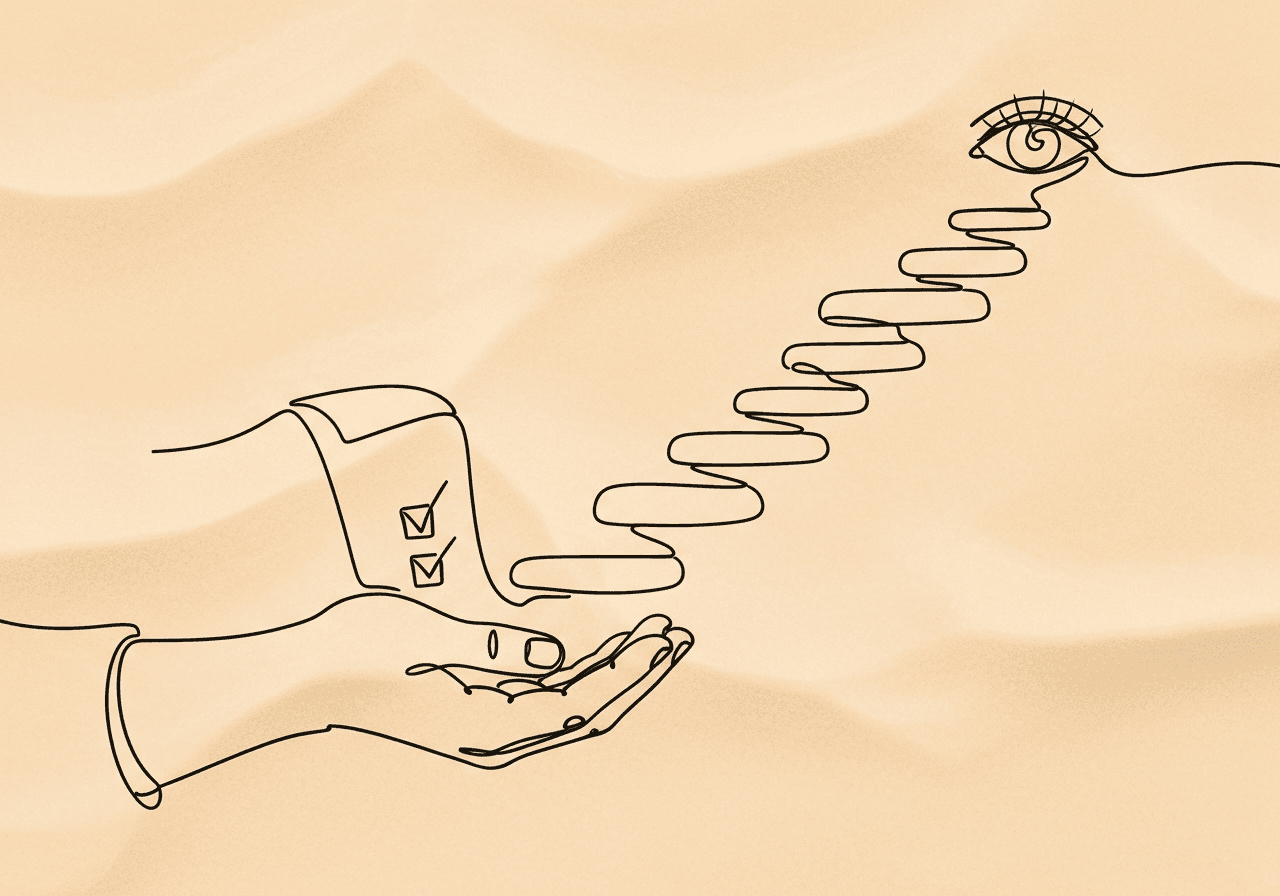
RBT Mandated Reporting Checklist: Step-by-Step Guide
ABA therapy demands quick action from RBTs who connect daily with kids and families. Spotting abuse signs might seem daunting, but a fast response can save lives. The U.S. Department of Health and Human Services' Child Maltreatment 2023 report (HHS, 2025) notes 546,159 children suffered abuse or neglect that year. Kids with disabilities faced rates up to 3.5 times higher than others. For RBTs serving autistic children, this highlights your key role as a mandated reporter.
This guide offers an RBT mandated reporting checklist based on BACB ethics and state laws. It covers steps for action, documentation, and follow-up. You'll gain tools to protect clients and keep your certification safe.
Key Takeaways
- Know your duty: Report suspicions of abuse or neglect promptly to authorities.
- Spot signs: Look for injuries, fear, or changes in behavior during sessions.
- Follow steps: Use the checklist to assess danger, notify supervisors, and document facts.
- Document well: Keep objective notes to support investigations and stay ethical.
- Seek support: Immunity protects good-faith reports—train regularly to build confidence.
Your Legal and Ethical Obligations as an RBT
RBTs follow state laws and the BACB's RBT Ethics Code (2.0). In all 50 states, certain professionals are mandated reporters. RBTs qualify in most states due to their behavioral health role. You must report reasonable suspicions without proof, typically within 24-48 hours (Child Welfare Information Gateway). For example, in Maryland, human service workers like behavioral technicians report immediately to CPS or law enforcement (Maryland DHS, 2024).
BACB Ethics Code 2.01 requires compliance with these mandated-reporting requirements. Report to authorities first, before any BACB notice. Not reporting risks criminal penalties like fines or misdemeanors, plus ethics issues that could end your certification (BACB, 2022). This keeps client safety first in ABA work.
Autistic children face higher risks. A Vanderbilt study shows they are 1.86 times more likely to experience maltreatment than neurotypical kids (VUMC, 2019). It's tough to spot these signs, but your reports can make a real difference.
Recognizing Signs of Abuse or Neglect in ABA Sessions
Start with clear observations, not guesses. Suspected neglect reporting RBT roles mean noting facts from sessions. Watch for unexplained injuries, fear of caregivers, or sudden shifts like withdrawal. These could signal harm.
Look for odd bruises or burns that don't fit the child's age. Signs of neglect might include constant hunger or dirty clothes. Emotional abuse could show as kids freaking out around adults; sexual abuse as unusual knowledge or self-harm.
Professionals like RBTs report on "reasonable suspicion"—any info suggesting abuse, no need to investigate yourself (Child Welfare, 2023). In ABA, link signs to session notes, like more aggression after home visits. Document carefully to stay neutral.
For crisis tips that might tie to abuse, check our RBT Crisis Response Checklist.
The RBT Mandated Reporting Checklist: Step-by-Step Guide
Use this RBT mandated reporting checklist for suspicions. It's based on BACB ethics, state rules, and Virtual Lab School guidelines. Always put child safety first.
Is the child in immediate danger? If yes, call 911 right away. Otherwise, keep the session safe—don't leave them alone.
Next, tell your supervisor or BCBA within 24 hours, sharing just the facts (Virtual Lab School, 2023).
Contact your state's CPS hotline or police. Find numbers at the Childhelp National Hotline. Report within your state's timelines, which often require same-day oral reports followed by written ones within 24-48 hours (Child Welfare Information Gateway).
Gather key details: Who (child, possible perpetrator)? What (observations)? When and where (dates, places)? How (exact words from the child)? Skip opinions—focus on facts.
For RBT abuse documentation, log in session notes or a secure file: What you saw, report time, who you contacted, and steps taken. Use HIPAA-safe tools per BACB Code 2.09.
If it involves another certificant's ethics issue, follow up with BACB after external reports. Submit a Notice of Alleged Violation with proof (BACB, 2024).
Finally, help investigators with facts and talk to your supervisor about support. Adjust services if needed, and get training to stay ready.
This supports BACB ethics RBT reporting and cuts legal worries.
Best Practices for Documentation and Follow-Up
Strong RBT abuse documentation shields clients and you. Write notes right away: Date everything, quote kids exactly, and store securely. BACB stresses unbiased records for fair investigations.
After reports, watch the child's sessions for changes. Update ABA plans with your BCBA. If neglect disrupts home life, try supportive strategies—see our ABA Strategies for Inconsistent Home Routines.
Fear of backlash is real, but good-faith reports grant immunity from civil or criminal liability in all states (Child Welfare Information Gateway). Keep training with BACB tools to feel prepared.
Frequently Asked Questions
Are RBTs considered mandated reporters in the US?
Yes, in most states, RBTs count as mandated reporters for their behavioral health work. Report suspicions to CPS or police without proof. Laws differ—check your state's site (Child Welfare, 2023).
What are the immediate steps if I suspect child abuse during an ABA session?
Ensure safety first—if danger, call 911. Notify your supervisor within 24 hours, then report to authorities with facts like observations and times. Don't investigate alone (Virtual Lab School, 2023).
How should RBTs document suspected neglect?
Record facts only: Observations, quotes, dates, places, and report details in a secure log. Follow BACB Code 2.09 and HIPAA for accuracy (BACB, 2022).
What happens if an RBT fails to report suspected abuse?
You could face charges like fines or lose certification via BACB sanctions. States punish non-reporting, but good-faith actions protect you fully (RAINN, 2024).
How does BACB ethics align with state mandated reporting laws?
Code 2.01 says follow state laws first—report externally before BACB. Include external proof in ethics reports; self-report violations in 30 days if they affect practice (BACB, 2024).
Mastering the RBT mandated reporting checklist turns tough spots into safe ones. It fits BACB ethics and state laws for child protection. 2023 data shows over 546,000 kids faced abuse or neglect, with disabled youth at higher risk—your role counts (HHS, 2025).
Review agency policies now. Save CPS contacts. Do free training at Child Welfare Information Gateway. For documentation help, see our BCBA Ethical Documentation guide. Accurate reports and quick action keep ABA focused on real family support.
Popular in Compliance & HIPAA
- 1
RBT Renewal Competency Documentation Guide for BCBAs
5,0656 min read - 2
RBT 2026 Documentation Changes: What BCBAs Need to Know
4,5425 min read - 3
BCBA Procedural Fidelity Checklist: Essential H-6 Guide
4,2486 min read - 4
ABA Documentation Checklist: RBT Compliance Guide 2025
3,6119 min read - 5
Florida Medicaid ABA 2025: SMMC Compliance Guide
3,3215 min read
Popular in Compliance & HIPAA
- 1
RBT Renewal Competency Documentation Guide for BCBAs
5,0656 min read - 2
RBT 2026 Documentation Changes: What BCBAs Need to Know
4,5425 min read - 3
BCBA Procedural Fidelity Checklist: Essential H-6 Guide
4,2486 min read - 4
ABA Documentation Checklist: RBT Compliance Guide 2025
3,6119 min read - 5
Florida Medicaid ABA 2025: SMMC Compliance Guide
3,3215 min read
Related Resources
Explore more helpful content on similar topics
RBT Field Manual BCBA: Ultimate Supervision Guide
Discover how to create an effective RBT field manual BCBA for seamless supervision and compliance. This step-by-step guide covers ethics, documentation systems, crisis procedures, and BACB standards to boost your ABA practice efficiency and audit readiness.
BCBA Guide to Documenting RBT Ethical Violations
Master RBT ethical non-compliance documentation as a BCBA with this guide. Discover step-by-step checklists for incident reporting, supervisory corrective actions, and BACB ethics compliance to safeguard your practice.
ABA Incident Report Documentation: FAQ Guide
Master ABA incident report documentation in this essential FAQ guide. Learn RBT critical incident checklists, BCBA reporting requirements, and how to write objective incident notes for ethical, accurate records. Ensure compliance today!