
Procedural Drift Documentation: RBT Fidelity Essentials
Understanding Procedural Drift and Its Impact on Treatment Outcomes
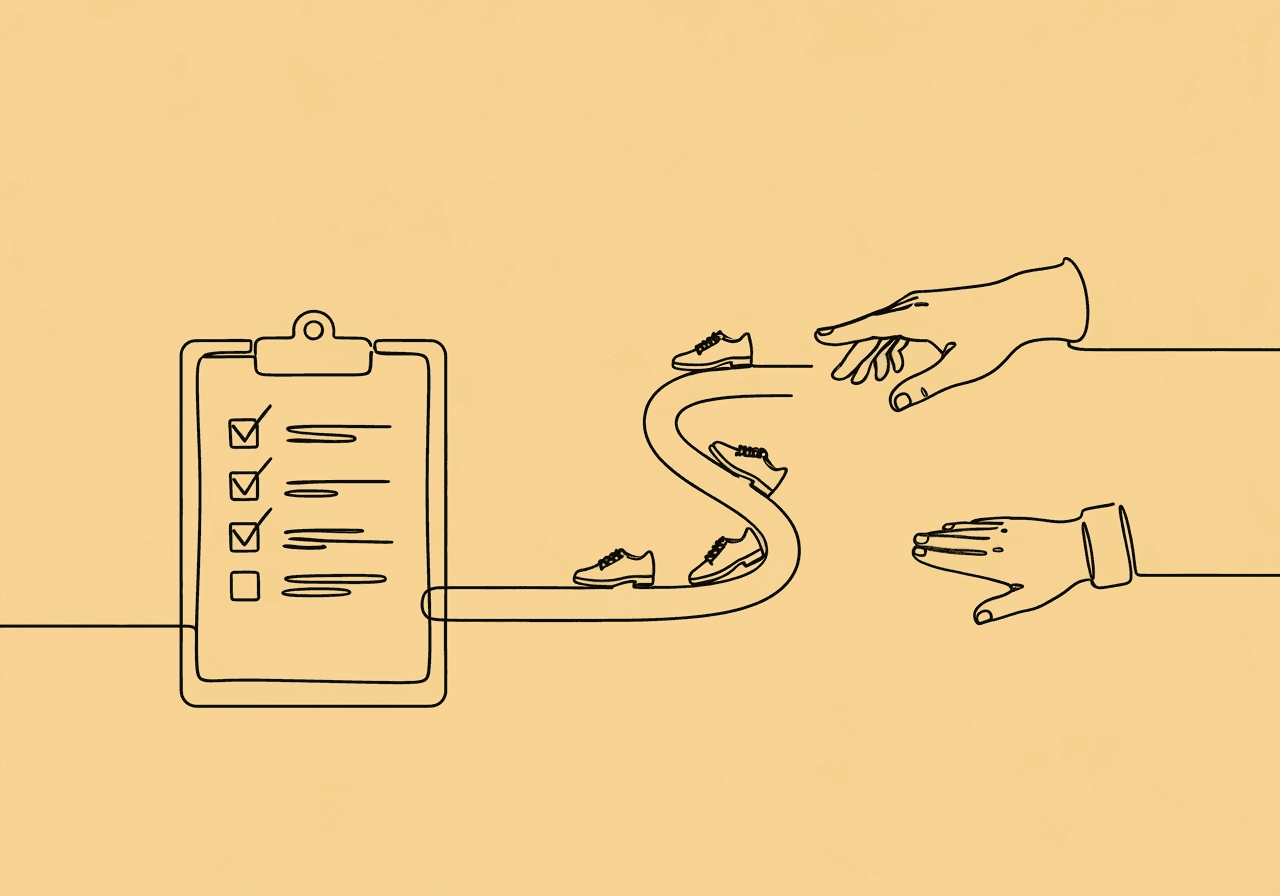
Procedural drift occurs when therapists unintentionally deviate from the original treatment protocol over time. According to a guide from the National Institutes of Health (NIH) A Practitioner's Guide to Measuring Procedural Fidelity (2024), this gradual change starts with accurate implementation but shifts toward suboptimal practices, like altering prompt levels without planning.
This drift directly harms treatment outcomes On a Persisting Curious Double Standard in Behavior Analysis (2023). When fidelity slips, interventions become inconsistent, making it hard to attribute behavior changes to the plan. Research from Advanced Autism Services emphasizes that low fidelity reduces the effectiveness of ABA, leading to slower client progress and unreliable results ABA Therapy Fidelity (2023). For instance, if an RBT skips a reinforcement step repeatedly, the learner might not acquire skills as expected, frustrating everyone involved Treatment Fidelity in Single-Subject Designs (2023).
To counter this, BCBAs must prioritize monitoring from the start. Early detection through documentation prevents small errors from snowballing. It ensures ethical and effective therapy under BACB guidelines Ethics Code for Behavior Analysts (2022).
Common Causes of Procedural Drift for RBTs
RBTs often face unique pressures that contribute to procedural drift. Lack of ongoing supervision tops the list. It limits feedback opportunities and allows errors to build.
Intervention complexity adds another layer A Practitioner's Guide to Measuring Procedural Fidelity (2024). Detailed protocols, like those involving multiple contingencies, demand constant attention. Fatigue can lead to shortcuts.
Environmental factors, such as missing materials or distractions, exacerbate this, per insights from BehaviorPREP What is Treatment Drift in ABA? (2023). Other triggers include waning motivation without reinforcement for staff performance Strengthening the Procedural Fidelity Research-to-Practice Loop (2023). RBTs might assume minor tweaks won't matter, but these accumulate. Addressing causes starts with clear training and supportive supervision. It helps RBTs maintain high fidelity.
Best Practices for Procedural Drift Documentation: Checklists and Logs
BCBAs play a central role in procedural drift documentation through structured tools. Integrity checklists break down protocols into observable steps. They're scored as yes/no or percentages.
The NIH guide recommends task-analyzing interventions to create these. It ensures they cover critical components like dosage and accuracy A Practitioner's Guide to Measuring Procedural Fidelity (2024). For example, a checklist might list: "Delivered reinforcement promptly? Yes/No." Use them during observations to quantify fidelity. Adjust for complex vs. simple plans.
Corrective action logs track deviations and responses. These should note the error, date, impact on the session, and steps taken, like immediate modeling. Centralized, audit-ready formats meet BACB Ethics Code standards Ethics Code for Behavior Analysts (2022).
Involve RBTs in developing these tools for better adherence. Regular reviews turn documentation into a proactive shield against drift.
Documenting Corrective Feedback and Retraining Efforts
When drift occurs, documenting corrective feedback keeps everyone accountable. Start by noting the specific error objectively. For example, "Prompt faded too early at step 3."
Provide feedback right after the session. Praise correct parts first, then guide improvements behaviorally. Retraining follows, using behavioral skills training (BST): instruct, model, rehearse, and feedback. A study highlights that this data-driven approach restores fidelity quickly Using Performance Feedback to Improve Treatment Integrity (2008). Log the session details: what was practiced, RBT response, and follow-up plan.
Use formats like BIRP (Behavior, Intervention, Response, Plan) for clarity BIRP Notes for Behavioral Healthcare (2023). This supports BCBA corrective action. It also builds RBT skills. Track post-retraining fidelity to confirm lasting changes. It turns mishaps into growth opportunities.
The Role of Systematic Performance Monitoring in Prevention
Prevention beats correction. Systematic monitoring is the cornerstone. Direct observations, video reviews, and fidelity checklists catch drift early. Hidden Gems ABA recommends interval recording for time-based steps and permanent products for prep tasks ABA Therapy Fidelity (2023).
Integrate this into supervision: regular checks for high-risk protocols. Feedback loops—positive and corrective—reinforce adherence, per BACB guidelines Ethics Code for Behavior Analysts (2022). Tools like apps can streamline data collection. It makes it less burdensome.
Ongoing training combats root causes like complexity. By embedding monitoring, BCBAs foster a culture of fidelity. It ensures RBT procedural fidelity and better client results.
Frequently Asked Questions
What is procedural drift in ABA therapy?
Procedural drift is the gradual, unintentional shift from prescribed protocols after initial correct implementation. It compromises treatment integrity, leading to inconsistent outcomes. Ever wonder how small changes add up? According to the NIH, monitoring with checklists prevents this by ensuring adherence A Practitioner's Guide to Measuring Procedural Fidelity (2024).
How does lack of supervision contribute to procedural drift for RBTs?
Without regular oversight, RBTs miss timely feedback. Errors like omitted reinforcements persist. Why does this happen so often? Studies show supervision identifies barriers early. It improves fidelity through BST Supervision Strategies for Treatment Fidelity (2023). Aim for at least 5% direct observation monthly RBT Ongoing Supervision Fact Sheet (2022).
What are the best practices for creating integrity checklists as a BCBA?
Break protocols into measurable steps via task analysis. Involve the team for accuracy. It's crucial to score components like accuracy and dosage. Pilot and refine based on inter-observer agreement, as outlined in practitioner guides A Practitioner's Guide to Measuring Procedural Fidelity (2024).
How should RBTs document corrective feedback during sessions?
Record errors factually. Note the feedback given, such as "Modeled correct prompt." Track the RBT's response. Use neutral, behavior-specific language immediately post-session to avoid escalation. Isn't documentation simpler when it's routine? This supports ethical practice per BACB standards Ethics Code for Behavior Analysts (2022).
What strategies minimize procedural drift through performance monitoring?
Use direct observation, video analysis, and regular feedback. Customize checklists for interventions. Analyze data routinely. Ongoing BST retraining addresses drifts proactively. It enhances overall fidelity.
How does procedural fidelity affect ABA treatment outcomes?
High fidelity ensures interventions work as designed. It leads to reliable behavior changes. Drift reduces effectiveness, making progress unpredictable. Consistent monitoring correlates with better client gains.
Imagine implementing a behavior plan only to notice subtle shifts in how it's delivered over weeks—sudden changes in reinforcement timing or prompt fading that weren't intended. This is procedural drift, a common challenge in ABA therapy that can quietly undermine client progress. For RBTs and BCBAs, effective procedural drift documentation is essential to maintaining RBT procedural fidelity and enabling timely BCBA corrective action. Without it, treatments lose their punch. This leads to inconsistent outcomes and ethical concerns under BACB guidelines Ethics Code for Behavior Analysts (2022).
In this article, you'll discover practical strategies grounded in evidence-based practices. We'll cover the definition and impacts of procedural drift, common causes especially for RBTs, documentation tools like checklists and logs for BCBAs, steps for recording corrective feedback and retraining, and the role of performance monitoring in prevention. By the end, you'll have actionable insights to safeguard treatment integrity.
Here are key takeaways to guide your practice:
- Procedural drift undermines ABA outcomes; monitor early to prevent it.
- RBTs face causes like supervision gaps—address them with targeted training.
- Use checklists and logs for precise procedural drift documentation.
- Document corrective feedback with formats like BIRP for accountability.
- Systematic monitoring, including regular observations, fosters lasting fidelity.
In ABA, procedural drift documentation isn't just paperwork—it's the backbone of ethical, effective therapy. By defining drift, tackling RBT causes like supervision gaps, and using tools like checklists and logs, you protect treatment integrity. Evidence from sources like the NIH and BACB underscores that systematic monitoring and corrective actions lead to stronger outcomes for clients.
Take these steps next: Review your current protocols for drift risks, implement regular fidelity checks, and train your team on BST. Start small, like piloting one checklist, to build confidence. With consistent effort, you'll minimize deviations, boost RBT procedural fidelity, and deliver the reliable progress families deserve.
Popular in Compliance & HIPAA
- 1
RBT Renewal Competency Documentation Guide for BCBAs
5,0636 min read - 2
RBT 2026 Documentation Changes: What BCBAs Need to Know
4,5405 min read - 3
BCBA Procedural Fidelity Checklist: Essential H-6 Guide
4,2456 min read - 4
ABA Documentation Checklist: RBT Compliance Guide 2025
3,6119 min read - 5
Florida Medicaid ABA 2025: SMMC Compliance Guide
3,3175 min read
Popular in Compliance & HIPAA
- 1
RBT Renewal Competency Documentation Guide for BCBAs
5,0636 min read - 2
RBT 2026 Documentation Changes: What BCBAs Need to Know
4,5405 min read - 3
BCBA Procedural Fidelity Checklist: Essential H-6 Guide
4,2456 min read - 4
ABA Documentation Checklist: RBT Compliance Guide 2025
3,6119 min read - 5
Florida Medicaid ABA 2025: SMMC Compliance Guide
3,3175 min read
Related Resources
Explore more helpful content on similar topics
Essential Guide to BCBA RBT Fidelity in High-Risk Cases
Discover essential BCBA RBT fidelity documentation strategies for high-risk cases. Learn best practices for procedural integrity, ethical monitoring, corrective feedback, and BACB compliance to safeguard safety and ethics.

BCBA Guide: Restrictive Procedures Documentation Essentials
Master restrictive procedures documentation as a BCBA with this essential guide. Learn step-by-step how to cover FBA, risk analysis, informed consent, and LRE for full compliance.
RBT 2026 Documentation Changes: What BCBAs Need to Know
Discover RBT 2026 documentation changes that eliminate annual assessments. BCBAs, learn new PD requirements, BCBA RBT renewal documentation tips, and transition checklists for seamless ABA compliance.