ABA Home Environment Setup: Family Guide to Success
Discover how to design your ABA home environment for autistic children. Minimize distractions, organize materials, and integrate routines with our step-by-step family guide for better therapy outcomes.

By Praxis Notes Team Editorial team
Published 7 min read

On this page
Creating an effective ABA home environment setup can turn everyday hurdles into real steps forward for families dealing with autism. With autism touching about 1 in 31 kids in the U.S. according to the CDC (2024), lots of parents look for simple ways to back up their child’s Applied Behavior Analysis (ABA) therapy at home. A thoughtfully arranged space eases worries, sparks interest, and strengthens skills from sessions, letting kids flourish in their own world.
I’ll walk you through some hands-on, research-backed ways to shape a helpful home setup. You’ll see how tweaking the surroundings ties into ABA wins, how to carve out a special therapy spot, ways to cut down on distractions, smart storage for tools, and blending habits for skills that stick. By the finish, you’ll hold clear actions to craft a spot that pairs well with pro therapy and builds self-reliance.
Think about a family I know who added just a visual chart to their routine—it cut morning chaos in half. Here’s what we’ll cover:
- Why surroundings count big in ABA
- Hands-on steps for a therapy corner
- Tricks to dial back distractions
- Sorting tools for smoother starts
- Ideas to weave therapy into daily flow
Understanding Environmental Control in ABA Therapy
Surroundings set the base for ABA therapy. The setup around a child sways actions even before they happen. In ABA, the environment works as an antecedent—any cue that sparks a reaction—guiding how kids with autism connect with their surroundings per Applied Behavior Analysis (ABA) from Autism Speaks.
A steady home area brings reliability, tones down too much input, and aids learning new skills. This makes sessions work better overall. Parents sometimes miss how small shifts, like steady habits, stop outbursts and nudge good choices.
As an example, visual schedules put right where kids see them guide through changes, easing worry in routine tasks. This fits ABA ideas, putting focus on ahead-of-time tweaks instead of fixes after. Studies show steady setups lead to stronger results in autism therapy. Families who tweak their homes note better involvement and quicker skill spread per Applied Behavior Analysis (ABA) from Autism Speaks.
Kick off by checking your child’s senses—like how noise or lights affect them—to fit the area just right. Imagine the calm of fewer surprises; this base step readies a home that truly backs ABA aims.
Creating a Designated Therapy Zone in Your ABA Home Environment Setup
Setting up a special therapy zone in your ABA home environment setup, sometimes dubbed the “No” zone, draws a firm line for sharp learning. Pick a calm, less-traveled spot such as a room edge or play alcove. Keep it free of bustle to echo clinic vibes yet feel warm and safe per Cross River Therapy (2023).
To get it going, try these moves. First, choose a place far from busy spots. Aim for natural light and comfy temps to hold attention high.
Next, bring in kid-scale gear like a wee table and seats. This builds self-reliance and keeps talks at eye level. Mark edges with tape or mats to show it’s the “focus patch,” with fun kept elsewhere.
Don’t forget soothing touches, such as plush rugs or quick calm spots, to steady feelings mid-task. Picture your child settling right in, ready to learn without the usual pull-aways.
This spot cuts shifts that break concentration. It lets grown-ups give steady help. Families with set areas spot longer focus times. The steady feel backs ABA patterns per Sensory Processing in Children from JAMA Pediatrics. For routine blends, see our take on ABA antecedent strategies for parents.
Minimizing Visual and Auditory Distractions for Creating a Learning Space Autism
Home distractions can knock ABA off track. So, tips for creating a learning space for autism zero in on easing visual and sound overload. Extra input hits nearly 90% of kids with autism. A clear, simple layout stays key to holding steady attention as suggested by industry practices from the Autism Society (2023).
Clear off flat spots first—clear out toys, screens, and loud colors for plain walls and floors. Go with soft shades and light curtains to tame harsh light that amps up stress. For sounds, tuck the spot from machines or play zones; add rugs or soft walls to hush echoes.
Try these extras too:
- Soft hum devices or gentle tunes to cover home noise without adding more.
- Small fidgets or heavy throws for kids to calm themselves in sessions.
- Set breaks in a snug nook with low lights and pillows.
These tweaks match ABA’s push on cue handling. They build a spot where kids grasp directions well per Behavioral Innovations (2023). Parents share stories of less upset and easier flows when they handle distractions upfront per Treatment and Intervention for Autism Spectrum Disorder from the CDC.
Organizing ABA Materials for Antecedent Management
Organizing ABA materials proves important for cue handling. It stops tough actions ahead by managing tool reach and stock. A sharp system keeps sessions rolling smooth. It trims waits that could spark upset in autism kids.
Set a close storage hub, like tagged boxes on racks, sorted by skill type: cards for talking, hands-on bits for sorting, sheets for notes. Put must-haves where they’re easy to grab. Lock treats away till time, dodging early pulls.
Here’s how to roll it out. Color-tag boxes—for instance, blue for friend skills, green for school stuff—to make grabs instinctive.
Add pic tags to help kids who don’t speak find things on their own. Wrap sessions with a tidy-up habit to keep things straight and show sorting know-how.
One family I heard from used this and saw their kid start grabbing tools solo—it felt like a win. This way backs ABA by weaving order into home life. It grows self-rule as outlined by The Autism Helper (2023). Check ABA strategies for consistent home routines for more.
Promoting Generalization Through Daily Routines in Your ABA Home Environment Setup
Skill spread takes ABA lessons past sessions. Weaving the setup into daily flows makes it natural. Kids use what they learn in meals or games without force per Golden Steps ABA (2023).
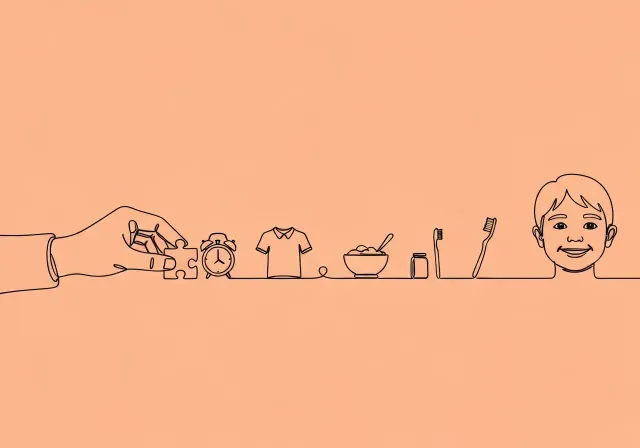
Get the family in on it. Practice hints in true tasks—like pic guides for night prep to lock in order steps. Mix up cues, say teaching “ask” with varied playthings, for bendy skills. Cheer wins in such non-therapy moments, like sharing at meals.
Here’s the core:
- Ease back pro help slow, so parents steer flows.
- Swap tools into normal use to link sessions and real life.
- Note gains with easy graphs to mark steps ahead.
This mix lifts lasting results. Steady home drills firm up skills from Chicago ABA Therapy (2023). Learn more via essential ABA generalization strategies for families.
Frequently Asked Questions
What space should I dedicate to ABA therapy sessions at home?
Pick a calm, low-bustle spot like a lounge edge or extra room. Stock it with a table, seats, and pic helpers. This cuts distractions and boosts attention, as ABA pros suggest per Ambitions ABA (2023). Add cozy light for better buy-in. Think of it as your kid’s go-to learn nook.
How can I make my home sensory-friendly for autism therapy?
Tweak lights with soft controls, quiet sounds via mats or hums, and add gear like heavy blankets to fit needs. These tackle common senses in autism for a peaceful vibe from Kids Club ABA (2023). Chat with your therapist for custom fits. Families often feel the difference right away.
What are the best storage solutions for organizing ABA materials?
Grab tagged, color-sorted boxes on reach-easy racks for groups like cards and clocks. This cue plan stops triggers with fast grabs as advised by The Autism Helper (2023). Stay neat to keep energy up. It’s like giving your setup a quiet helper.
How do visual schedules help in a home ABA setup?
Eye-high pic guides bring sure steps, cutting worry and smoothing shifts. Fit them for tasks like session time, matching ABA top picks per Strive ABA Consultants (2023). They grow self-rule and aid spread. One parent shared how it turned their mornings from rush to rhythm.
Can family members get involved in home ABA routines?
Sure, loop in brothers, sisters, and kin by showing skills in daily doings, with pro leads. It sets steady ways and tightens ties. A grown-up nearby keeps things safe in sessions.
How does a structured home environment improve ABA outcomes?
It sharpens attention and skill shift by trimming distractions and setting habits. Though numbers differ, ordered setups link to stronger involvement in autism therapy per Treatment and Intervention for Autism Spectrum Disorder from the CDC. Watch your child’s steps to spot custom gains. It’s about real, felt progress.
In summary, a tuned ABA home environment setup gives families tools to stretch therapy further. It grows independence and lightens daily loads for kids with autism. Through cue control via set spots, few distractions, sorted tools, and habit weaves, parents shape areas that match pro ABA targets. Sources like the CDC highlight the need, with 1 in 31 kids touched.
Start simple: Check your area now, talk to your BCBA for custom tips, and try one tweak—like a pic guide—this week. Note little gains to gain speed. These moves not only lift therapy hits but also warm family ties, making home a spot for true steps ahead.