ABA Imitation Games for Parents: Fun Home Activities
Discover ABA imitation games for parents to teach motor, object, and vocal skills to autistic kids at home. Fun step-by-step activities, setup tips, and reinforcement strategies for success.

By Praxis Notes Team Editorial team
Published 6 min read
On this page
Imitation skills form the cornerstone of learning for children with autism. They help kids observe, copy, and master new behaviors key to social interaction, communication, and daily independence. In ABA therapy, these skills bridge gaps often seen in children on the spectrum, where imitation deficits can slow progress. Research from the National Institutes of Health suggests children with autism often show less precision when imitating actions, especially non-meaningful gestures, which affects learning through modeling (Preserved Imitation of Known Gestures in Children with High-Functioning Autism).
As a parent in your child’s ABA program, adding ABA imitation games for parents at home reinforces therapy goals. It builds bonds and helps skills carry over to everyday life. This guide shares practical, evidence-based strategies from ABA principles. You’ll explore imitation’s role, three main types—motor, object, and vocal—with easy games, plus tips for a supportive setup, reinforcement, and tracking progress with your team.
Here are key takeaways to get started:
- Imitation boosts social and language skills by letting kids learn from watching you.
- Focus on motor, object, and vocal types to match your child’s needs.
- Keep sessions short and fun, using praise to encourage repetition.
- Track what works at home to share with therapists for better results.
- Vary activities daily to help skills generalize beyond playtime.
Unlocking Social Skills: The Power of Imitation
Imitation acts as a key way for children with autism to pick up complex skills by watching others—a natural process for typically developing kids. Research from the Association for Behavior Analysis International points out that early imitation practice cuts down social withdrawal and ramps up responsiveness, tackling core autism traits (ABAI Autism Special Interest Group Consumer Guidelines). For ABA families, practicing at home stretches therapy further, aiding skill use in real life.
Kids with autism often struggle with imitation due to issues like motor apraxia, seen in many young children on the spectrum (Motor Impairment Increases in Children With Autism Spectrum Disorder). This can mess with planning movements and spontaneous copying of actions or sounds. Home practice targets imitation to aid language growth—it’s closely tied to better expressive speech—and sharpens joint attention for peer play. Why not try it? You’ll see gains in routines like self-care and deeper family ties through fun play. Consistent home efforts match ABA’s reinforcement focus, driving real independence, as Ambitions ABA Therapy explains.
Understanding Motor, Object, and Vocal Imitation
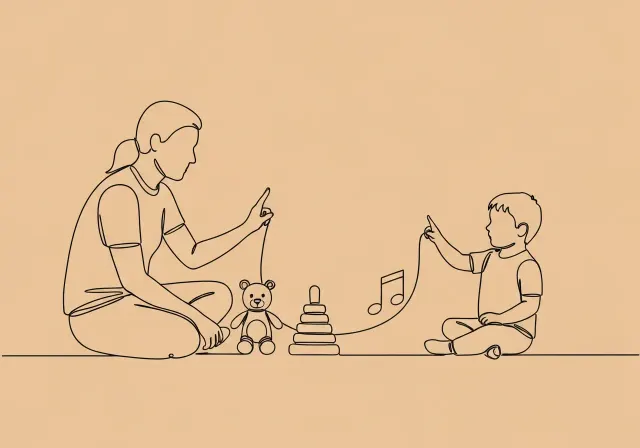
ABA divides imitation into clear categories for steady building of basics. Motor imitation means copying body moves, from big ones like jumping to small ones like pointing. Object imitation copies actions with toys, like stacking blocks. Vocal imitation repeats sounds, words, or mouth shapes, such as blowing raspberries.
These build on each other: motor starts physical coordination, object sparks useful play, and vocal aids talking. The May Institute notes that mirroring adults in these areas helps kids learn fast, growing cognition and social bonds (What is Imitation and Why is it Important?). Pick one type to begin, based on your child’s strengths, and advance as they gain confidence.
For little ones, motor imitation for toddlers hits a sweet spot in early development. A study from the National Institutes of Health stresses that ABA tools like modeling and prompting bring big wins in these skills for young kids with autism (Teaching Imitation to Young Children with Autism Spectrum Disorder Using Contingent Imitation and Discrete Trial Teaching).
Easy Motor Imitation Games for Home Play
Try simple teaching imitation autism at home with motor games—no fancy tools needed. They build gross and fine skills while keeping things light and joyful.
Start a clapping chain: Sit facing your child and model two claps, saying, “Pat-a-cake!” Wait, then say, “Your turn.” Guide their hands if helpful, and celebrate any try. Add twists like waving or stomping to grow skills and turns, just as Chicago ABA Therapy advises. This one’s quick and builds excitement fast.
For mirror fun, face your child and overdo moves like nose-tapping or arm raises. Call out, “Copy me!” Add a real mirror for extra cues if it clicks. Switch to fine details, like finger wiggles. Slowly drop hints by showing less over sessions—watch independence bloom.
Pretend animals: Hop like a bunny or roar like a lion, blending moves and sounds. Freeze, say, “Be the animal!” Reward with hugs. Intellistars ABA likes this for tying imitation to imagination in toddlers.
Aim for 5-10 minutes a day in play slots. Rooted in ABA’s trial teaching, these sharpen coordination and focus. Research shows steady home practice boosts motor accuracy (Learning of Skilled Movements via Imitation in ASD).
Object and Vocal Imitation Ideas to Spark Joy
Turn toys into teachers for object imitation, and sounds into chat starters for vocal. Both fit ABA’s push for real-world ties.
With objects, grab blocks or cars. Roll a car, pass it over, and say, “Do like me.” If stuck, guide gently and praise: “Nice roll!” Build to steps, like two-block stacks, easing off help as they nail it. Achievements ABA Therapy says this grows everyday skills, like utensil use, for more freedom.
Vocal games lay speech groundwork: Make goofy echoes: Try “boo” or a cow “moo,” then “Repeat!” Begin with lip puckers. Rori Care pairs faces with sounds to hook kids in—try it for smiles. Echo songs: Hum “Twinkle Twinkle,” pause for repeats or hums. Gestures guide without pressure. Sound bubbles: Blow with “ohh” noises. Copy the sound first, then pop—fun leads to words.
A National Institutes of Health review highlights how these build sound control, a speech stepping stone, best in relaxed spots (USE OF CHAINING TO INCREASE COMPLEXITY OF ECHOICS IN CHILDREN WITH AUTISM).
Building a Positive Space for Imitation and Rewards
ABA imitation games for parents thrive in the right setup: Sit close to cut distractions, pick a calm spot without mess. Hide toys at first to spotlight your demo, then blend them in. Time sessions for peak energy, say after a snack.
Praise right away—words, toys, or tickles post-copy. The Behavior Analyst Certification Board pairs rewards with social cheers to spark inner drive (Ethics Code for Behavior Analysts). Fade help: Full guide to arm moves, then words like “Clap now!”, down to just showing. Cut back over days, noting solo tries.
Weave into baths or meals for natural ties, sparking unprompted copies. Precision Family Therapy calls this playful path frustration-free.
For tracking home wins, check our guide on using ABA data for IEP support. It helps craft reports that boost results.
Tracking Your Child’s Imitation Wins
Home notes on imitation amp up team talks, tweaking sessions and IEP aims. Jot basics: skill focus, your cues, their reply, reward type. Short videos of breakthroughs, like a solo clap, aid reviews—keep privacy first.
Magnet ABA says parent logs on how often and where imitation happens let therapists gauge carryover. Send weekly overviews by app or email, spotting trends like playtime peaks. This fuels IEP pushes, matching goals to home life.
Common Questions on Home Imitation
How does imitation training improve language skills in children with autism?
Vocal imitation builds repeating sounds and words, paving the way for natural talk. What if you started with echoes? A National Institutes of Health study links it to stronger expressive language by tying watching to making sounds (Teaching Imitation to Young Children with Autism Spectrum Disorder Using Contingent Imitation and Discrete Trial Teaching). Daily games often show chat turns in just weeks.
What are effective strategies for teaching motor imitation for toddlers?
Begin with big moves like claps, modeling clearly and rewarding fast. Ease from touch help to words over time. Embed in songs for fun—toddlers gain accuracy in short, regular bursts.
How can parents incorporate object imitation into daily play?
Model with everyday stuff, like spoon-stirring in fake cooking, then cue a copy. Chicago ABA Therapy (2024) starts easy for wins, praising to build. It carries to real feeding, growing skills smoothly.
What role does positive reinforcement play in home imitation activities?
Rewards tie copies to good feelings, sticking skills longer. BACB ethics (2022) push quick, kid-loved ones like stickers. Ambitions ABA research shows it cuts reliance on hints quicker than words alone.
How do imitation deficits impact social development in autism?
They curb shared focus and back-and-forth, stalling play with others. What happens without it? A PMC study connects weak imitation to less social give-and-take (Impact of imitation abilities on social communication in autistic children). Home fixes, via May Institute tips, teach reading cues for better bonds.
Can imitation skills from ABA generalize to school or community settings?
Absolutely, with steady practice across spots. A National Institutes of Health piece shows varied teaching—like play to routines—spreads skills (Generalized imitation and response-class formation in children with autism). Mix games at home and update therapists for help.
In closing, ABA imitation games for parents extend therapy into daily wins, backed by NIH and BACB insights. Target motor, object, and vocal through structured fun for real gains in talk and self-reliance—essentials for autistic kids. Start small today, like a pat-a-cake round, and log reactions. Update your team weekly. Tap pro resources to tweak, securing lasting steps forward.