Essential ABA Parent Health Tracking Log Guide
Unlock better ABA results by tracking sleep, diet, and health with our easy parent log. Learn objective data collection and how it informs therapy adjustments.

By Praxis Notes Team Editorial team
Published 6 min read
On this page
Imagine you’re dealing with the daily challenges of ABA therapy for your child with autism. A bad night’s sleep or a simple stomachache can suddenly undo what felt like real progress. These everyday health factors—sleep, diet, and illness—shape how well ABA works. That’s where an ABA parent health tracking log comes in. It lets you record these details at home and share them with your child’s Board Certified Behavior Analyst (BCBA). This helps fine-tune their behavior intervention plan (BIP).
Here’s what you’ll gain from this guide: why tracking matters, how health affects behavior and skills, and hands-on ways to create and use a home log. We’ll cover log sections, data tips, and family integration strategies. You’ll walk away with tools for stronger ABA results.
Key Takeaways:
- Track sleep to spot patterns that boost focus during sessions.
- Log diet to link nutrition gaps with energy dips or mood shifts.
- Note illnesses early to prevent setbacks in skill-building.
- Share data with your BCBA for targeted plan adjustments.
- Start small to make tracking a low-stress habit.
Why Tracking Sleep, Diet, and Illness Matters in ABA Therapy
ABA therapy depends on steady data to track gains. But home life adds factors like sleep issues, picky eating, or colds that sessions miss. These can change how your child responds, leading to frustration without clear reasons, such as more outbursts after a restless night.
Research highlights these ties. Sleep problems impact 50-80% of children with autism. They worsen symptoms like social struggles and crankiness, as noted in a 2014 National Center for Biotechnology Information review (NCBI, 2014). Feeding challenges affect up to 70% of these kids too. They often connect to gut troubles that upset routines and spark behaviors, per a 2024 Nutrients journal review (Nutrients, 2024).
A solid ABA parent health tracking log fills this void. It records daily home details. Therapists then match them to session notes for smarter changes.
How Foundational Health Influences ABA Outcomes
Bad sleep goes beyond tiredness. It hurts focus, recall, and mood control—keys to ABA progress. Fragmented rest often ramps up tough behaviors like tantrums or repetitive actions. This slows gains in talking or playing with others. Diet shortfalls from choosy eating drain energy and steady moods. Even small illnesses heighten senses, making therapy tougher.
Evidence backs this up. A 2024 study linked sleep issues to worse autism signs, like extra activity and aggression. These directly cut ABA impact, as detailed in the International Journal of Environmental Research and Public Health (IJERPH, 2024). Gut troubles from diet and sickness hit 40-50% of autistic children. They disrupt sleep and behaviors, according to a PMC review (PMC, 2020). CDC data supports this prevalence too (CDC, 2023).
Tracking helps fix these. Behavioral sleep fixes rooted in ABA principles cut sleep woes and linked crankiness. A 2020 meta-analysis in Sleep confirms this improves therapy results (Sleep, 2020).
Sleep builds better attention for new skills. Steady meals keep energy even during sessions. Catching illness early stops behaviors from worsening, like self-harm.
With monitoring, families give a full picture of health’s role in ABA.
Building Key Sections for Your ABA Parent Health Tracking Log
Your log needs clear spots for sleep, diet, and illness. This supports strong parent home data collection. Grab a notebook, spreadsheet, or free template from ABA sites. Use daily rows with date, time, and notes for clean, unbiased records.
Key parts keep it simple but useful:
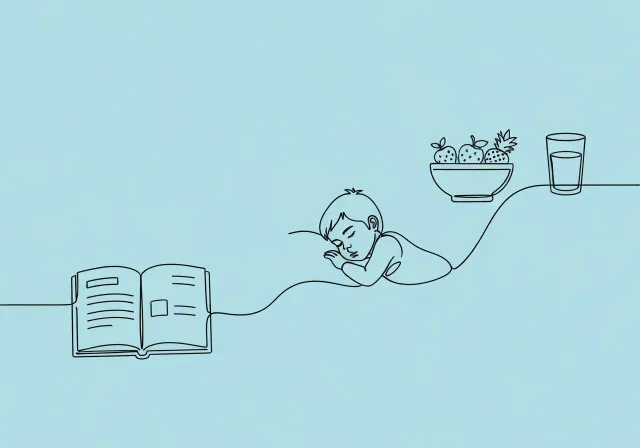
Sleep logs note bedtime tries, actual start, wake-ups (count and length), morning rise, and naps. Jot room setup too, like light or sounds.
For meals, list food, snacks, drinks—with amounts and how much eaten (all, some, none). Add supplements and side effects, such as tummy upset.
Track symptoms like fever or pain: start time, level (low/medium/high), and fixes like meds. Watch for links, say sickness causing sleep fights.
Free tools from Rethink Behavioral Health work well for tweaks (Rethink, 2024). This matches ABA sleep diet documentation needs. It sets solid starting points for your team.
Tie in behaviors with a notes spot: “Skipped snack, led to hour-long upset.” This keeps data tied to real life.
Step-by-Step Guide to Collecting Objective Data at Home
Stick to facts in your entries—times, numbers, yes/no. Skip vague terms like “looked worn out.” This lets BCBAs spot trends clearly. Check the last day’s notes each morning. Spend just five minutes at night to stay on track.
Break it down:
Set a bedtime alert, say 8 PM for bath time. Write: “Slept at 9:15 PM, up 1:30 AM for 20 minutes.” A fitness tracker helps, but watching works fine.
Snap meal pics if it aids recall. Note: “Lunch: half nuggets, whole apple, 8 oz juice.” Review a week’s entries for texture refusals.
For symptoms, rate only if it fits, like “Pain at 6/10.” Log: “Rash from 10 AM, applied cream by noon.”
Get family input to share the load. If logging feels hard, pick one area first. ABC notes (what happened before, during, after) add depth without extra work.
This builds trusty parent home data collection. It guides therapy shifts right away.
How BCBAs Leverage Your Log for Better ABA Plans
Your records give BCBAs key links to session info. Say logs show bad sleep before running off— they tweak the BIP to fix it. Diet notes on low intake matching focus drops might add rewards for trying foods.
Real changes happen fast. With data on four night wakes, a BCBA could teach fade-outs. This cuts aggression at the source. Sickness logs might shorten sessions till recovery.
Share via secure email or apps weekly. This team-up handles issues like outbursts from the roots. Your details turn fixes from quick patches to smart plans. Skill growth speeds up as a result.
Tips for Integrating Health Tracking into Family Routines
Weave logging into your day without big changes. Note sleep over coffee or meals post-eating. Try Google Sheets or ABA apps for quick voice notes.
Ease in like this:
Pick one factor for seven days, then build.
Make it fun—stickers for full weeks.
Alert your phone, but chat weekly on wins, like better rest from tweaks.
Talk hurdles with your BCBA. They’ll adjust using your notes.
These keep stress low and gains high. Research shows steady home tracking boosts ABA follow-through via tighter parent-therapist ties. A PMC study on parent training highlights this (PMC, 2020). Soon, it feels routine and rewarding.
Frequently Asked Questions
How does sleep quality specifically impact ABA therapy effectiveness in autistic children?
Sleep issues hit 50-80% of autistic kids. They cut focus and raise crankiness, toughening ABA engagement. Good rest aids mood control and learning. Log-based fixes cut behaviors like outbursts. A 2014 NCBI review details this (NCBI, 2014). Parents’ diaries let BCBAs tailor plans.
What role does diet play in sleep problems for children with autism?
Choosy eating affects 70% of these children. It upsets gut balance and melatonin, spiking night wakes. Gut links often worsen it. Meal logs uncover ties. ABA exposure techniques help steady both. A 2024 Nutrients review covers this (Nutrients, 2024).
How can parents effectively use sleep diaries in ABA therapy?
Diaries track bedtimes, wakes, and rises factually. They flag triggers like screens. Send weekly to therapists for routine fixes. This curbs sleep’s behavior effects. Aim Higher ABA notes gains from this (Aim Higher, 2024).
What are common challenges in tracking health data at home for ABA?
Time squeezes or fuzzy notes trip up many. Use templates and facts to start. Kids might push back—add play to it. Short daily checks build solid info for BCBAs. Grateful Care ABA shares tips (Grateful Care, 2024).
How does gut health connect to sleep and behaviors in autism?
Gut problems affect 40-50% of cases. They tie to poor sleep through swelling and gut bugs. This ramps up actions like overactivity that ABA targets. Diet and symptom logs enable fixes. CDC research links it (CDC, 2023).
What ABA strategies improve sleep routines at home?
Use rewards for bed compliance. Fade help for self-reliance. Log training keeps parents steady, cutting disruptions. This lowers crankiness and ups therapy buy-in. Ambitions ABA outlines steps (Ambitions, 2024).
Your ABA parent health tracking log uncovers how sleep, diet, and illness drive ABA wins. From easing outbursts to speeding skills, it matters. Studies like the 50-80% sleep issue rate in autism show why. Monitoring crafts BIPs that fit your child just right.
Grab a template now. Log a week. Bring patterns to your next meeting. This builds team trust, cuts stresses, and sparks growth. Your role makes ABA work better for your family.