
Shaping Behavior for Parents: ABA Skill Building Guide
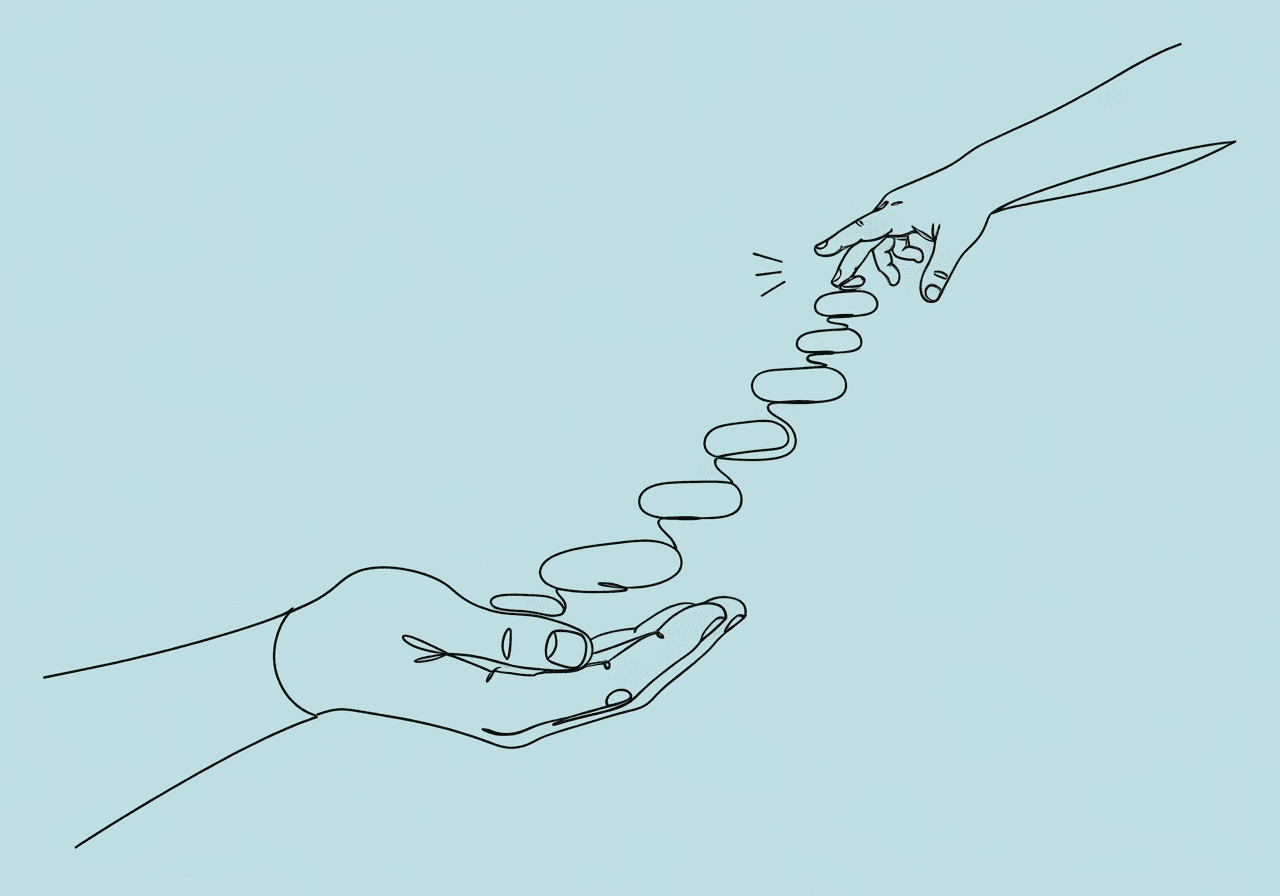
Shaping Behavior for Parents: ABA Skill Building Guide
Picture your child with autism taking those first shaky steps toward tying shoes or saying a new word—without the frustration, just those little wins you cheer for together. For families in ABA therapy, shaping behavior for parents gives a kind way to build skills at home alongside pro sessions. It lets you nurture independence in daily moments, easing the pressure.
Let's dive into shaping basics, a key ABA tool based on positive reinforcement. You'll get successive approximations explained in plain terms, see examples like using utensils, and pick up tips for steady practice. We'll cover tying home goals to treatment plans and tackling issues like extinction bursts. By the end, you'll hold practical steps for your family's ABA skill building.
Here are 3 key takeaways to guide you:
- Shaping breaks skills into small, rewarding steps to reduce overwhelm and build confidence.
- Use successive approximations at home to reinforce progress in routines like meals or play.
- Align efforts with your child's ABA plan for better outcomes, and stay patient through common challenges.
What Is Shaping in ABA Therapy?
Shaping forms the base of Applied Behavior Analysis (ABA). It helps kids with autism pick up new skills by rewarding tiny steps toward a larger goal. Parents and therapists praise behaviors that inch closer to the target. This builds confidence gradually.
The method draws from operant conditioning. It makes tough tasks seem doable. According to the Association for Science in Autism Treatment (ASAT), shaping means reinforcing successive approximations until the full behavior appears [<a href="https://asatonline.org/for-parents/learn-more-about-specific-treatments/applied-behavior-analysis-aba/aba-techniques/shaping/">ASAT on Shaping</a>]. It excels in areas like communication or self-care, where kids start distant from the goal.
Research backs its strength. A meta-analysis showed ABA techniques like shaping offer a moderate effect size of 0.422 for adaptive skills in autistic children. Parents apply it in routines such as mealtime or play. It cuts frustration by highlighting what the child can do now.
All caregivers must stay consistent. This turns home into a learning hub.
Successive Approximations Explained: The Building Blocks of Shaping
Successive approximations explained boils down to splitting a skill into small, achievable parts that lead to the final action. In ABA, begin with what the child does already. Then praise each better try, like molding clay bit by bit. It avoids overload and keeps spirits up with good feedback.
Differential reinforcement is central. Reward only the advancing steps. Ignore or phase out the old ones. For example, to teach toy requests, praise any noise first, then a word like "ball," and at last the whole phrase.
This suits ABA skill building for families. It's adaptable for home. Studies show significant improvements in skill acquisition, including communication, with structured approximations [<a href="https://www.advancedautism.com/post/success-rates-of-aba-therapy">Advanced Autism Services on ABA Success</a>]. Parents can log these in a basic notebook. Note what clicks to tweak as needed.
Practical Examples of Shaping in Everyday Home Life
Parent-led shaping fits real home tasks, such as utensil handling or shoe-tying. For spoons, praise holding it first, then scooping food, and soon lifting to the mouth. Each win earns a high-five or sticker. This shapes the complete skill over time.
Take shoe-tying. Start with looping laces, move to crossing, then tightening. Intellistars ABA Therapy points out how this unpacks motor skills for autistic kids, sparking independence [<a href="https://www.intellistarsaba.com/blog/how-to-use-shaping-techniques-in-aba-therapy">Intellistars ABA on Shaping Techniques</a>]. Tie it to the child's likes, like bright laces, for faster results, say parents.
In communication, build help requests from gestures to "up," then full sentences. These show ABA skill building for families can flex to your kid's speed. A study noted 58% of kids hit key adaptive gains after 24 months of steady ABA, with home shaping included.
Watch your child's skills in meals or games. Use charts to track steps. This makes growth fun and clear.
Shaping Behavior for Parents: Identifying and Reinforcing Approximations at Home
To spot the next step, observe closely. What's one tiny leap from before? Keep home sessions brief, 5-10 minutes, for strong focus. Praise right away and specific, like "Nice dipping that spoon!" It shows exactly what's good.
Get siblings or partners on board for steady practice. Set firm rules before moving up. Make sure the child nails 80% of tries at a level [<a href="https://pmc.ncbi.nlm.nih.gov/articles/PMC7314871/">Mastery Criteria in ABA</a>]. Autism Parenting Magazine suggests mixing words with small treats at first, then easing off as skills stick [<a href="https://www.autismparentingmagazine.com/shaping-in-aba/">Autism Parenting Magazine on Shaping</a>].
Log wins daily to see trends. If stuck, step back kindly. This weaves shaping into family life, aiding therapy carryover. Challenges like tiredness pop up. Prioritize your rest. Share duties to keep going.
Linking Home Shaping Goals to Formal ABA Treatment Plans
Connect home shaping to your child's ABA plan from a Board Certified Behavior Analyst (BCBA). Share what you see at home to match aims, like growing clinic greetings to dinner chats. This way, home supports therapy without clashing.
Use apps or meetings for updates based on notes. If clinic spots strong steps, home can maintain them. Research shows parent training in ABA plans improves outcomes for kids with autism spectrum disorder [<a href="https://pmc.ncbi.nlm.nih.gov/articles/PMC7720449/">Parent Training Effectiveness Meta-Analysis</a>].
This teamwork spreads skills wider. Studies link parent-involved ABA to stronger long-term adaptive behaviors [<a href="https://www.autismspeaks.org/applied-behavior-analysis">Autism Speaks on ABA</a>]. Share a log of home tries to shape sessions better.
Troubleshooting Common Challenges in Shaping, Including Extinction Bursts
Extinction bursts happen when old behaviors spike briefly as shaping changes rewards. A child might fuss harder if habits lose praise, pushing limits. Keep cool and stick to the plan. It usually eases in days with proper ignoring.
Inconsistency among adults or too much help can drag things. Fix with family talks and simple guidelines. Brighter Strides ABA says bursts hit hard at first but fade with targeted reinforcement [<a href="https://www.brighterstridesaba.com/blog/extinction-bursts-in-aba/">Brighter Strides on Extinction Bursts</a>].
Pause for safety and call your BCBA. Patience brings results. A DoD study noted small gains after 18 months despite early stalls, though clinical meaning can vary [<a href="https://health.mil/Reference-Center/Reports/2025/08/19/ACD-Annual-Report">DoD Autism Care Report</a>].
Have backups ready, like calm spots for outbursts. This lightens family load.
Frequently Asked Questions
How can parents start using shaping techniques at home?
Pick a basic skill like handwashing. List 3-5 steps, from turning water on to wetting hands. Praise or token each one. Track daily. Achieve Beyond says small starts build confidence and fit ABA plans (2024) [38 words; source: <a href="https://www.achievebeyondusa.com/what-is-shaping-in-aba/">Achieve Beyond on Shaping</a>].
What are some common challenges when implementing shaping in ABA?
Expect extinction bursts with short-term worsening, plus keeping steady. Guilt may hit during bursts, but reinforce new ways. Rainbow ABA Therapy urges team talks to fight tiredness and unevenness (2024) [42 words; source: <a href="https://rainbowtherapy.org/shaping-in-applied-behavior-analysis/">Rainbow ABA on Challenges</a>].
How does shaping differ from other ABA techniques like chaining?
Shaping crafts one behavior via steps, like sound-by-sound words. Chaining joins actions into routines, say socks then shoes for dressing. Move Up ABA covers how shaping hones singles, chaining builds chains (2024) [41 words; source: <a href="https://moveupaba.com/blog/aba-therapy-near-indianapolis/">Move Up ABA on Techniques</a>].
Can shaping be used to address problem behaviors in children with autism?
Yes. It swaps issues by praising better choices, like calm asks over fits. It shifts gradually, no punishment. Apex ABA says it drives ethical change linked to assessments (2024) [36 words; source: <a href="https://www.apexaba.com/blog/understanding-the-concept-of-shaping-in-aba-therapy">Apex ABA on Problem Behaviors</a>].
What types of reinforcements are most effective in shaping behavior?
Praise, tokens, or fun activities fit best, matched to the kid. Begin concrete, shift to natural like cuddles. Magnet ABA stresses kid-picked ones raise home drive (2024) [32 words; source: <a href="https://www.magnetaba.com/blog/aba-therapy-and-shaping-behaviors">Magnet ABA on Reinforcements</a>].
How does differential reinforcement enhance the shaping process?
It picks closer steps to reward, dropping others for sharp gains. This sets clear goals, hastens learning. Heartlinks ABA notes it tunes behaviors cleanly (2024) [31 words; source: <a href="https://heartlinksaba.com/guide-to-shaping-in-aba-therapy/">Heartlinks on Differential Reinforcement</a>].
Helping parents shape behaviors turns home into an ABA ally, with proof of better adaptive skills and self-reliance. Families gain in talk and self-care through steady use. Meta-analyses show moderate boosts to daily life. Results depend on effort—early team-up works best.
In practice, it means fewer hassles, more happy moments, like independent eats. Bursts pass with help.
Next, chat with your BCBA about one home target from the plan. Try one step each day. Chart it simply. Link up with parent groups for ideas. Small starts lead to big wins in ABA skill building for families.
Popular in Family Resources
- 1
ABA Token Economy Parents: Step-by-Step Home Guide
2,3695 min read - 2
Premack Principle for Parents: Boost Motivation
1,9196 min read - 3
Understanding the ABA Extinction Burst for Parents
1,9177 min read - 4
Potty Training Challenges: ABA Strategies for Parents
1,6668 min read - 5
Functional Communication Training for Parents: FCT Guide
1,5767 min read
Popular in Family Resources
- 1
ABA Token Economy Parents: Step-by-Step Home Guide
2,3695 min read - 2
Premack Principle for Parents: Boost Motivation
1,9196 min read - 3
Understanding the ABA Extinction Burst for Parents
1,9177 min read - 4
Potty Training Challenges: ABA Strategies for Parents
1,6668 min read - 5
Functional Communication Training for Parents: FCT Guide
1,5767 min read
Related Resources
Explore more helpful content on similar topics
ABA Antecedent Strategies for Parents: Home Guide
Master ABA antecedent strategies for parents to prevent challenging behaviors in autism at home. Discover practical tools like visual schedules, warnings, and choice-making for a calmer family environment.

How to Write Social Stories for Parents: ABA Tips
Learn how to write social stories for parents with ABA tips. This step-by-step guide helps create personalized narratives to ease transitions, build routines, and foster social confidence in children with autism. Discover visual supports and implementation strategies for family success.
Essential ABA Generalization Strategies for Families
Discover essential ABA generalization strategies for families to empower children with autism at home. Learn to integrate skills into daily routines, fade prompts, and maintain progress with practical tips and expert collaboration advice.