
ABA Visual Schedules for Parents: Home Guide
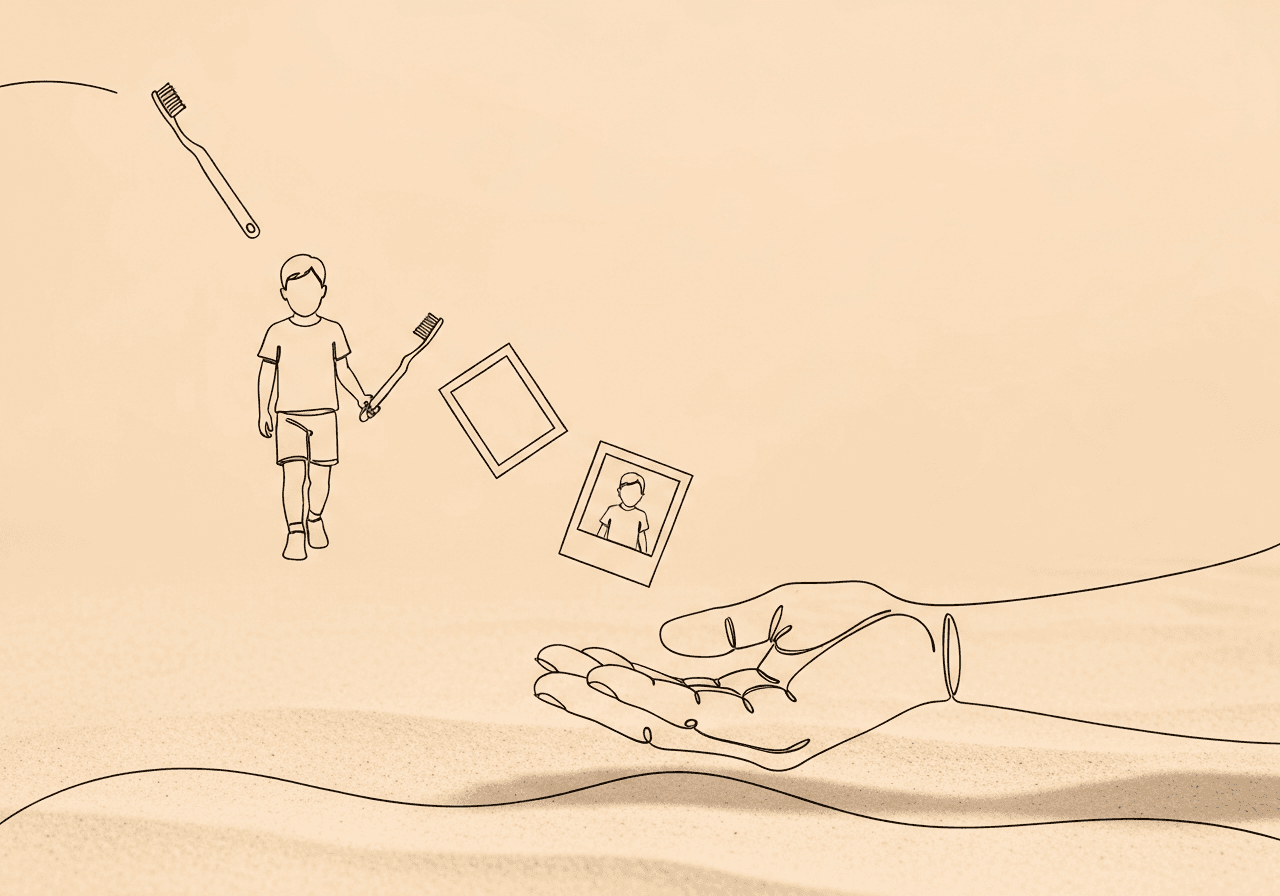
ABA Visual Schedules for Parents: A Simple Home Guide
With 1 in 31 children in the U.S. diagnosed with autism spectrum disorder, per the CDC's 2022 data, parents juggle tough daily routines. You know those chaotic mornings or bedtime battles. ABA visual schedules for parents help by using pictures or symbols to outline tasks. They make transitions smoother for kids in ABA therapy. Rooted in Applied Behavior Analysis, these tools cut anxiety, build independence, and sync home life with therapy. Research backs this, like a study on visual activity schedules as evidence-based practice.
This guide gives you clear steps. You'll see benefits, types, how-to's, routine examples, fixes for snags, and tips to track with your BCBA. Families love how it brings calm to chaos.
Here are 5 quick takeaways:
- Visual schedules predict the day, slashing meltdown risks.
- They fade your prompts, growing kid independence.
- Pick photos or objects to match your child's level.
- Start small—one routine at a time—for fast wins.
- Share progress data with your BCBA to tweak therapy.
Why ABA Visual Schedules for Parents Deliver Real Benefits
Visual schedules in ABA show a clear order of tasks. Kids with autism grasp what's next. This cuts uncertainty that sparks big reactions. Parents often share stories of easier mornings and calmer nights as children handle visuals on their own.
Clinical evidence shows these promote independence. They fade verbal prompts over time, per Visual Supports as evidence-based practices. A key review confirms visual activity schedules work across settings to build skills and curb tough behaviors, as detailed here. They also aid skill carryover from sessions to home, supported by activity schedules research.
Parents notice several wins. Anxiety drops during switches since kids see changes coming. Nonverbal children communicate better with familiar pictures. Self-management grows—think hygiene done without nagging. It ties into ABA routines for parents, matching home to pro goals.
Pair visuals with rewards for stickiness. Ever dread the dinner dash? These tools help. For home tracking basics, see simple ABA data collection at home.
What Types of Visual Schedules Work Best at Home?
ABA visual schedules fit different ages and skills. Begin with hands-on options for newbies. Move to symbolic as your child advances. This builds understanding step by step.
You have solid choices. Object schedules use real things, like a toothbrush for brushing. They're great for toddlers or kids with delays, as noted by The Autism Helper.
Photos capture home scenes, say your kid's actual pajamas. Preschoolers connect fast with these visual schedule autism home aids.
Line drawings or icons suit next steps. Add colors to sort tasks clearly.
First-then boards limit to two steps: "First bath, then story." Perfect for quick routines.
Written lists or apps come later for readers.
Studies match these to growth stages, boosting reading and social know-how, per the AFIRM Visual Supports packet. Go with what clicks—photos may work better for some kids than drawings.
Step-by-Step Guide: Creating ABA Visual Schedules for Parents at Home
Ready to build one? Visual schedule autism home setups pay off fast. This ABA process keeps it simple.
-
Spot the pain point. Mornings tricky? Jot 3-5 steps, like wake, dress, eat.
-
Collect images. Take your own photos. Or grab free icons. Stick to real, known stuff.
-
Put it together. Velcro pieces on a board. Or magnets on the fridge. Flow left to right, like reading.
-
Roll it out. Go over it together. Point and say each part. Add a timer to keep pace.
-
Drill and reward. Cheer finishes big. Let your child shift cards to "all done."
-
Ease off help. Drop guiding hands as they own it.
Hang it eye-level. Chat daily about it. Let kids pick colors—they buy in more. Link to therapy with interpreting ABA session data for parents.
Stick with it across spots. Skills stick better that way. In my work with families, consistency turns "no way" into "got it."
Practical Examples: Morning, Bedtime, and Daily ABA Routines for Parents
Examples bring ABA routines for parents to life. Swap in your photos for that personal touch.
Picture a morning photo chart:
- Wake up → Brush teeth → Get dressed → Breakfast → Shoes → Out the door.
Slide an arrow per step. Parent reports say it slashes pushback, backed by this study on task behaviors.
Bedtime first-then: Bath → Pajamas → Book → Sleep.
Timer at 5 minutes eases the wind-down. No more endless stalls.
Daily overview with drawings: Breakfast → Play → Lunch → Work → Dinner → Bed.
Color-code: Green for play, blue for must-dos. Research like the evidence review shows on-task boosts.
Test 2-3 steps first. Grow it as they nail it. We all know rigid routines feel safe—lean into that.
Common Challenges and Troubleshooting for Visual Schedules
Snags happen with ABA visual schedules parents try. Kids skip it. Or freak at tweaks. Parents slip on follow-through. Sound familiar?
Fight ignores by leading with fun tasks. Build that "yes" energy.
Meltdowns on change? Toss in "pick one" or mystery spots for flex, via Links ABA tips.
Timers warn ahead. Pair with short stories on switches.
If visuals flop, swap types—objects over pics sometimes.
Praise tiny steps. Log what works. Tweak fast. These fixes keep momentum. Families tell me it's trial and grace.
How to Track Progress and Team Up with Your BCBA
Track your ABA visual schedules parents tools for proof of wins. Keep it easy—no fancy gear needed.
Try checklists right on the board. Sticker completions.
Count solo transitions daily.
Apps graph it for trends.
Log at home. BCBA checks weekly. Ties to goals like VB-MAPP.
Share pics or notes. Home data amps therapy, as Magnet ABA notes.
For kid input, check the assent-dissent ABA parents guide.
Review often. No stalls on your watch.
Frequently Asked Questions
How do visual schedules reduce anxiety in children with autism?
They build predictability. Kids foresee shifts, dodging overload. Paired with praise, they trim stress and outbursts, per Advanced Autism.
What are the best visuals for a young child with autism at home?
Object or photo schedules shine with real cues. Move to icons later. Home snaps boost recognition, says The Autism Helper.
How can parents involve their child in creating a visual schedule?
Hand them image picks or colors. It sparks ownership, straight from ABA playbooks like ABA Journey.
What if my child resists changes to the routine?
Slip in "choice" spots. Timer alerts ease it. Practice tiny swaps, per Links ABA.
How do I track progress with visual schedules alongside ABA therapy?
Checklists for finishes. Graphs to BCBA. Track solo steps for tweaks, using tools like Autizum's home ABA tracker.
Can visual schedules be used for older children or teens?
Sure—shift to words or apps for big routines. They sharpen planning skills, notes Total Care ABA.
ABA visual schedules for parents turn frenzy to flow. Evidence proves less anxiety and more self-reliance, via evidence-based visual supports. With CDC stats highlighting needs, align home and therapy now.
Grab a routine. Shoot photos. Build it today. Show your BCBA. Sticker-track two weeks. Adjust smart. These ABA routines for parents build true structure. You've got this—small steps lead big.
Popular in Family Resources
- 1
ABA Token Economy Parents: Step-by-Step Home Guide
2,3635 min read - 2
Understanding the ABA Extinction Burst for Parents
1,9177 min read - 3
Premack Principle for Parents: Boost Motivation
1,9166 min read - 4
Potty Training Challenges: ABA Strategies for Parents
1,6658 min read - 5
Functional Communication Training for Parents: FCT Guide
1,5747 min read
Popular in Family Resources
- 1
ABA Token Economy Parents: Step-by-Step Home Guide
2,3635 min read - 2
Understanding the ABA Extinction Burst for Parents
1,9177 min read - 3
Premack Principle for Parents: Boost Motivation
1,9166 min read - 4
Potty Training Challenges: ABA Strategies for Parents
1,6658 min read - 5
Functional Communication Training for Parents: FCT Guide
1,5747 min read
Related Resources
Explore more helpful content on similar topics
ABA Token Economy Parents: Step-by-Step Home Guide
Learn ABA token economy for parents: step-by-step home guide to set up reward charts. Discover benefits for autism, avoid common mistakes, and boost child behavior today!
ABA Pre-Assessment Documentation Guide for Parents
Learn ABA pre-assessment documentation for parents with our expert guide. Organize medical records, therapy notes, and family observations for smooth BCBA intake preparation and tailored autism support.
Shaping Behavior for Parents: ABA Skill Building Guide
Discover shaping behavior for parents in ABA: Master skill building with successive approximations explained, practical examples like shoe-tying, and home tips for your autistic child.