
ABA External Validity: BCBA Exam Guide
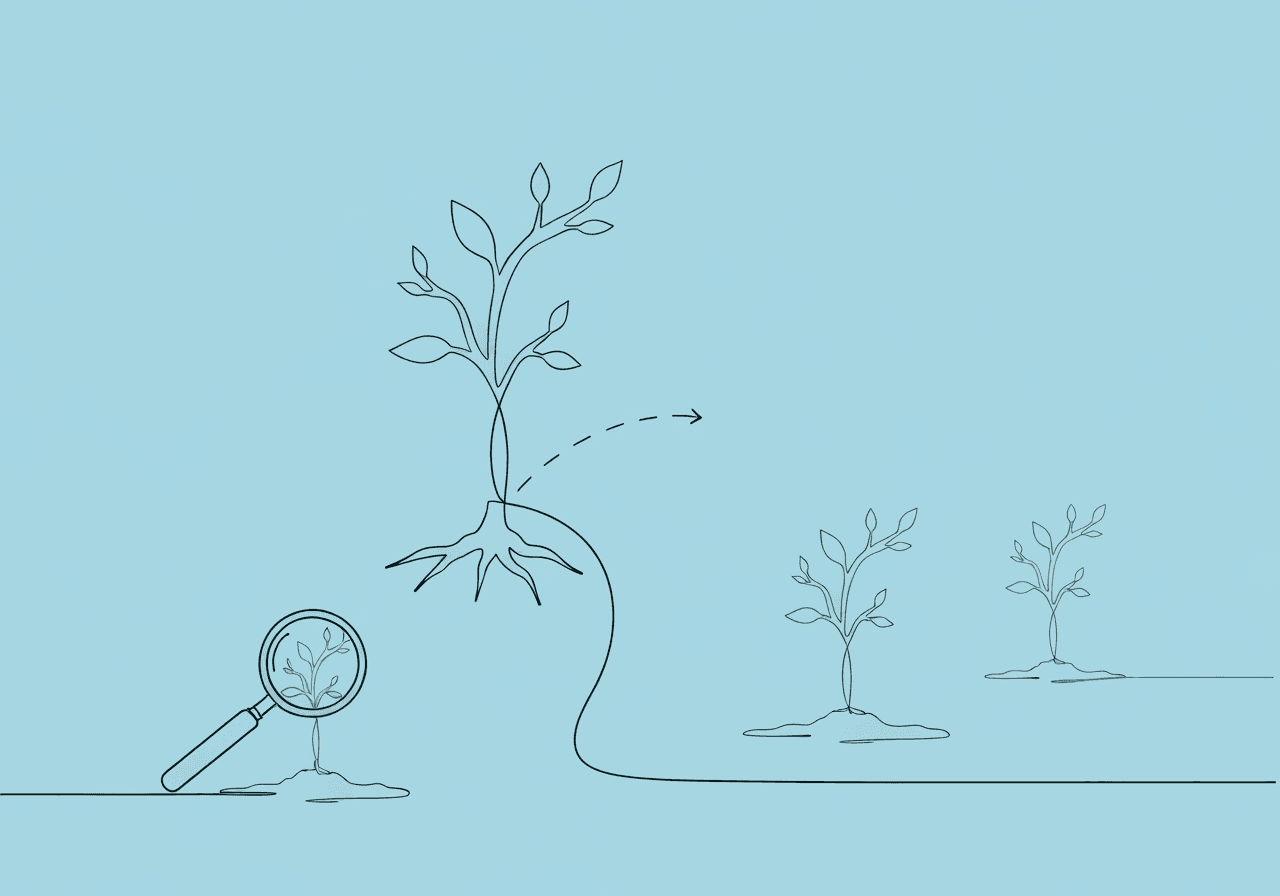
Applied behavior analysis (ABA) is changing quickly. As a BCBA or BCBA student, you know interventions need to work beyond controlled settings. They must succeed in real life too. ABA external validity checks if results from single-subject designs apply to different people, places, and behaviors. This matters for ethical practice and acing the BCBA exam. Without it, even strong therapies might lose impact once clients leave the therapy room. Skills could fade fast.
This guide breaks down external validity. It pulls from peer-reviewed sources. You'll get practical steps for research, clinical work, and documentation. All of it fits exam prep and daily practice.
Here are 3-5 key takeaways to start:
- External validity ensures ABA findings generalize beyond the study.
- Replication builds trust in results across settings and people.
- Threats like selection bias can limit real-world application.
- Strategies like natural environment teaching promote lasting skills.
- Ethical reporting requires noting generalization limits clearly.
What Is External Validity in ABA Single-Subject Designs?
External validity in ABA means how well results from a single-subject study apply to other people, settings, behaviors, or times outside the original setup. Single-subject designs shine at showing cause-and-effect for one person. But they often get questioned for weak generalizability. That's because they use small samples.
The National Center for Education Evaluation and Regional Assistance (2021) notes these designs offer tight internal control. Yet they need extra work to prove wider use. Key parts include population validity. It checks if results fit diverse groups. Ecological validity looks at real-world fit.
For BCBAs, focusing on external validity matches the BACB's push for evidence-based practice. See the Ethics Code for Behavior Analysts. In BCBA exam research, you'll see questions on extending findings to new learners. BCBA exam research often highlights this in single-subject setups.
To strengthen external validity, researchers report participant details and conditions openly. This lets others gauge fit. Follow the Single-Case Reporting Guideline In BEhavioural Interventions (SCRIBE). Without clear reports, generalization of effects stays guesswork.
What Are the Main Threats to External Validity in Single-Subject ABA Research?
Single-subject designs in ABA build strong internal validity. But they face threats that weaken external validity. A big one is multiple-treatment interference. Past treatments can sway results. This makes it tough to repeat effects elsewhere.
The Dovetail research guide on validity calls this a core problem. It questions if results hold without old influences. Reactive effects, like the Hawthorne effect, happen too. People change behavior just knowing they're watched. That cuts real-world carryover.
Experimenter effects add risk. An analyst's biases might nudge outcomes. This lowers trust in results from neutral observers. A NIH study on single-case designs (2018) points to selection bias as another threat. Picking non-typical participants skews broad use.
Attrition worsens it. Dropouts or odd settings don't match everyday changes. For BCBA students, spotting these threats helps with exam questions on design flaws. Fix them early to avoid big claims on intervention power.
BCBAs can fight threats by logging extra variables. This fits ethics. It shows true limits on generalizability of effects. In BCBA exam research, understanding these ties to stronger study designs.
How Do Direct and Systematic Replication Build External Validity?
Replication is key to boosting external validity in ABA. Direct and systematic types play different but linked roles. Direct replication repeats the study exactly. Same intervention, people, and places. It checks reliability and rules out luck.
The NIH's review of replication (2019) says this confirms basics first. Then you can claim more. Systematic replication changes things on purpose. Try different learners, spots, or actions. This tests generalization in ABA research.
The ABA Study Guide (2023) shows how it stretches findings. Ask: Does a token system work in school after clinic success? With kids of varied ages? Direct builds base trust. Systematic grows reach. Both cut risks like selection bias over time.
The Behavior Analyst Certification Board (BACB) task list covers this in section D-2 (2022). It's vital for BCBA exam research on designs. In generalization in ABA research, these methods stack evidence for real impact.
| Replication Type | Key Focus | Role in External Validity | Example in ABA |
|---|---|---|---|
| Direct | Identical conditions | Verifies reliability | Repeating a prompting procedure with the same child in the same room |
| Systematic | Varied elements | Tests generalizability | Applying the same procedure to multiple children across home and school |
Use both in practice for solid claims. They help in documenting generalization of effects clearly.
What Strategies Promote Generalization in ABA Clinical Practice?
Boosting generalization of effects in ABA means smart steps to link therapy to daily life. This lifts external validity. Generalization probes check skills in new spots without extra help. Do them often to see transfer.
Brighter Strides ABA (2023) suggests weekly probes in places like home or parks. Track how skills hold up. Vary teaching spots too. Switch stimuli or teachers. This builds stimulus generalization. Responses fit close-but-new cues.
Natural environment teaching (NET) weaves skills into real spots. Practice greetings at a park, not just clinic. Golden Steps ABA (2023) says NET boosts ecological validity. It matches real demands better.
Train caregivers for outside support. This fights multiple-treatment interference. Self-monitoring lets learners track their own behaviors. For example, teach a child to note hand-raising in class after practicing in therapy. Or have them log sharing toys at recess versus home play. This builds independence, per Graham Behavior Services (2023).
For BCBA students, these show up in exam questions on change procedures. In BCBA exam research, they tie to lasting outcomes.
- Run probes weekly in new settings for baselines.
- Teach with multiple exemplars, like "sharing" via toys, books, and food.
- Team with families through role-play for steady cues.
These match BACB ethics. They max client gains. Self-monitoring examples, like recess logs, add depth to probes. They help track progress across times too.
How to Integrate External Validity into BCBA Documentation and Ethical Reporting
BCBAs need to blend ABA external validity into records. This upholds ethics and aids checks. Plans should list generalization aims. Like using skills in three spots. Add probe data to notes.
The BACB Ethics Code for Behavior Analysts (2022) demands open outcome reports. Include generalizability limits. This avoids fooling others. See section 2.18 on progress monitoring.
Report replication work too. Note direct trials in sessions, then systematic home checks. A Behavioral Sciences journal overview (2022) pushes logging stakeholder views. Like parent notes on real effects. This stops overreach. It fits section 2.18 on true portrayal.
For BCBA exam prep, docs test how external validity shapes ethics. Like tweaking plans for weak generalization. Use numbers, such as skill maintenance percent after intervention. Note limits, like spot-only data, for changes.
Tools like Praxis Notes track trends safely under HIPAA. This meets BACB rules. It raises intervention standards. In BCBA exam research, clear docs show ethical ties to generalization of effects.
Frequently Asked Questions
How can replication enhance the external validity of single-subject designs?
Replication boosts external validity by showing steady effects in varied ABA conditions. Direct replication checks reliability in same setups. Systematic replication tests wider fit, per NIH guidelines (2019). For BCBAs, it builds proof for ethical spread of interventions.
What are the main threats to external validity in single-subject research?
Threats like selection bias, Hawthorne effects, and multiple-treatment interference curb generalization in ABA. The Dovetail research guide on validity lists seven factors. They block real-world use. Diverse sampling helps fight them for surer results.
How do direct and systematic replication differ in terms of experimental design?
Direct replication repeats exact setups for effect checks and reliability. Systematic replication tweaks elements like settings for generalizability tests. The ABA Study Guide (2023) says direct fits early checks. Systematic widens for BCBA work.
How can natural environment teaching enhance generalization in ABA?
Natural environment teaching (NET) aids generalization by placing skills in real contexts. It cuts fake-setting dependence. Golden Steps ABA notes its stimulus variety for lasting effects (2023). Key for external validity in records.
How does external validity impact the generalizability of ABA interventions?
External validity makes sure ABA interventions work past studies. It shapes ethical reports and client results. BACB task list D-2 (2022) splits lasting effects from one-offs. Guides BCBAs to sustainable changes.
What strategies can BCBAs use to address experimenter effects in single-subject studies?
BCBAs fight experimenter effects with blind data collection and set protocols for fairness. A NIH review on single-case threats (2018) suggests observer agreement checks. This ensures bias-free generalization for exams and practice.
What is the difference between external validity and internal validity in ABA?
External validity focuses on applying results broadly in ABA. Internal validity checks cause-effect inside the study. BCBA exam research often contrasts them. Strong internal leads to external, but threats like interference can weaken both. Balance them for full evidence-based work.
Why is external validity important for BCBA exam research?
External validity matters in BCBA exam research because it tests real-world fit of ABA findings. Questions probe generalization across cases. Ignoring it risks ethical slips. Prioritizing it, as in BACB guidelines, builds credible interventions that last.
Mastering ABA external validity lets BCBAs and students craft lasting interventions. They go beyond sessions for true generalization of effects. From replication to docs, these ideas—supported by BACB and journals—drive ethical, strong practice. See The Importance of Generalization in ABA Therapy Skills for more on client gains.
Next, check your plans for generalization probes. Practice replication in fake exam scenarios. Audit docs for clear validity. These steps help you nail research parts. They lift ABA's everyday worth. Keep learning with BACB tools.
(Word count: 1,856)
Popular in Study Guides & Exam Prep
- 1
2025 RBT Competency Assessment Preparation Checklist
6,48210 min read - 2
BCBA Ethical Decision-Making Model: 8-Step Exam Guide
3,2978 min read - 3
RBT Exam Study Guide 2025: Complete Prep with Practice Questions & Tips
2,8878 min read - 4
ABA Continuous Measurement (Frequency, Duration)
2,5756 min read - 5
RBT Task List A-01: Prepare for Data Collection — 7-Step Checklist
2,1346 min read
Popular in Study Guides & Exam Prep
- 1
2025 RBT Competency Assessment Preparation Checklist
6,48210 min read - 2
BCBA Ethical Decision-Making Model: 8-Step Exam Guide
3,2978 min read - 3
RBT Exam Study Guide 2025: Complete Prep with Practice Questions & Tips
2,8878 min read - 4
ABA Continuous Measurement (Frequency, Duration)
2,5756 min read - 5
RBT Task List A-01: Prepare for Data Collection — 7-Step Checklist
2,1346 min read
Related Resources
Explore more helpful content on similar topics
BCBA Exam: Internal Validity Threats Explained
Discover key BCBA threats to internal validity, such as history, maturation, and selection biases. Master experimental control in ABA and learn mitigation strategies to excel on your BCBA exam.
ABA Reversal Design: BCBA Exam Mastery Guide
Master ABA Reversal Design for BCBA exam success. Dive into A-B-A-B phases, functional control, ethical considerations, validity threats, and advantages in single-subject experiments. Boost your prep today!
BCBA Reversal Design Ethics: Exam Essentials
Master BCBA reversal design ethics: Explore A-B-A-B components, BACB 2.15 guidelines on withdrawing treatment, and when to avoid reversals for irreversible behaviors. Learn ethical alternatives like multiple baseline designs and boost your exam prep with practice questions!