
CPT 97157 vs 97158: Documentation Guide for BCBAs
CPT 97157 vs 97158: Key Differences for BCBAs
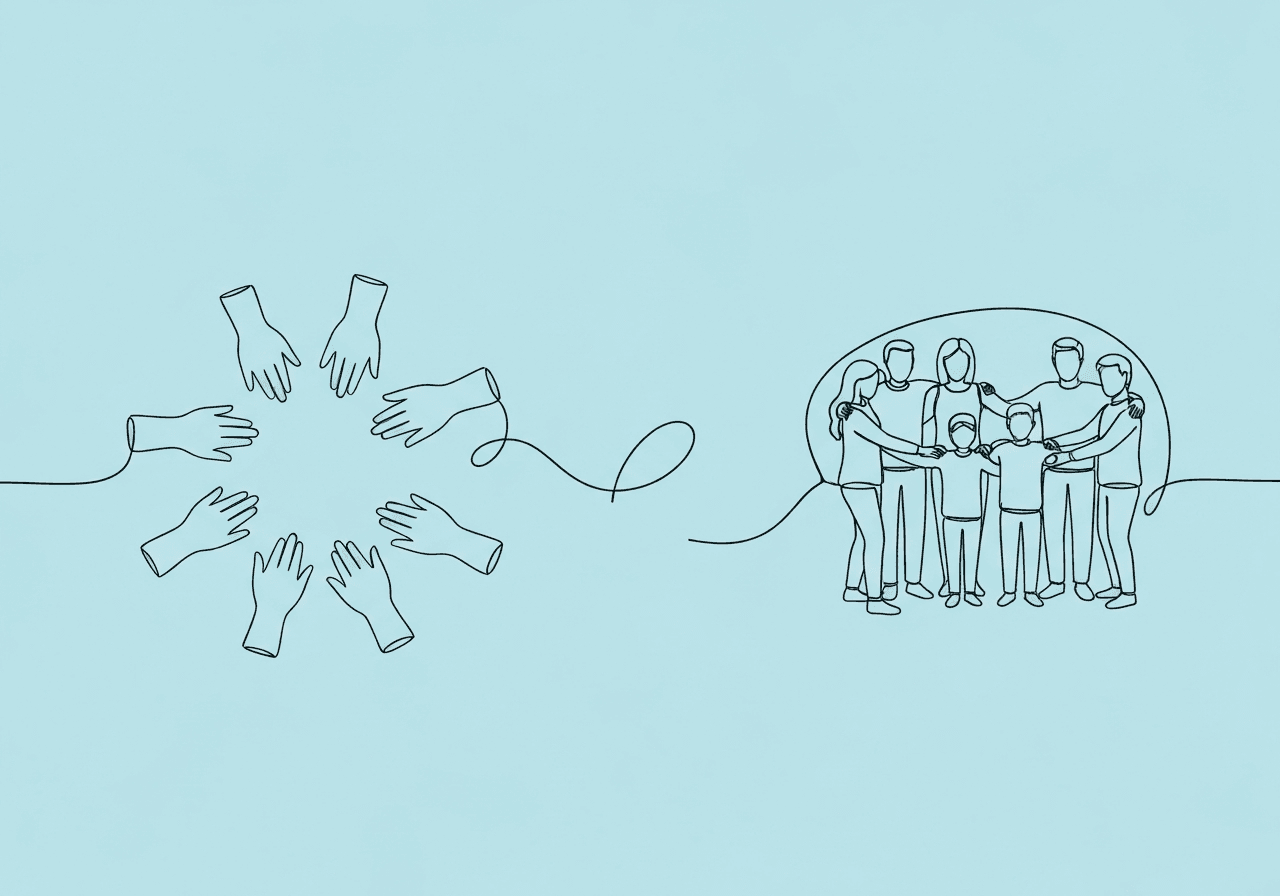
ABA therapy moves quickly these days. Getting billing right can mean the difference between smooth reimbursements and big headaches. For BCBAs, spotting the differences between CPT 97157 and CPT 97158 is key to dodging audits and denials. These codes differ mainly in patient presence and intervention focus—caregiver training without clients versus hands-on group treatment for adaptive behaviors.
This guide dives into documentation needs for each code. It draws from expert guidelines to boost your compliance game. You'll pick up core contrasts in focus, group rules, and tips for solid records. In the end, you'll have steps to sharpen your group ABA documentation and make the most of BCBA caregiver training codes.
Here are five quick takeaways on CPT 97157 vs 97158:
- CPT 97157 focuses on guiding caregiver groups without patients present, building home skills.
- CPT 97158 involves direct treatment with patients in a group, using real-time modifications.
- Both bill in 15-minute units up to six per day, but documentation highlights different elements like reported barriers versus observed behaviors.
- Group sizes stay at 2-8 for both, with payer-specific caps and justifications needed.
- Strong notes prevent denials; always tie sessions to individual treatment plans.
What is CPT 97157? Multiple-Family Group Adaptive Behavior Treatment Guidance
CPT 97157 fits sessions where ABA supervisors or qualified pros give face-to-face guidance to caregiver groups. Patients aren't there. The goal? Help parents and families build skills for adaptive behaviors at home. The ABA Coding Coalition's 2020 Model Coverage Policy says it's billed in 15-minute units. You can go up to six units per day. It centers on protocol tweaks for multiple families.
Your notes need to cover the teaching points clearly. Include these key elements:
- Names of all caregivers involved.
- ABA principles covered, like reinforcement methods or ways to cut problem behaviors.
- Links to each patient's treatment plan.
For example, detail targets like showing parents discrete trial training. Note any hurdles, such as scheduling issues in the family.
Many payers set rules like at least six sessions per six-month authorization. The first one must happen within 30 days. See the ABA Coding Coalition's 2020 Model Coverage Policy for common standards. The TRICARE Autism Care Demonstration QRG calls for noting the beneficiary's clinical status. Use reported signs and symptoms, even with patients absent. This ties the session to personal progress.
Telehealth works for this code with many payers. Always check your insurer. The Provider Express Telehealth Billing Guide outlines allowances. Skipping details like signatures or participant lists? That risks recoupments.
How Does CPT 97158 Work? Group Adaptive Behavior Treatment with Protocol Modification
On the flip side, CPT 97158 handles direct adaptive behavior treatment in groups. At least two patients join face-to-face. An ABA supervisor leads it. The aim is to tackle social gaps through modeling, practice, and feedback. This helps generalize skills they've mastered. The AAPC CPT Codes Range for 97151-97158 explains billing per 15-minute unit per patient. Cap is six units daily. Telehealth may be permitted by some payers. Verify with your insurer. Check the ABA Coding Coalition Telehealth Guidance for details.
Notes here track what clients do and how they interact. Cover these must-haves:
- Start and end times of the session.
- Provider's credentials and signature.
- Activity descriptions, like group role-play for social skills.
Show why the treatment fits the plan. For instance, note prerequisite checks that prove patients can handle group work.
Group makeup matters a lot. List all participant names, skipping non-beneficiaries. Prove the setup aids skill spread. Say you're working on turn-taking. Document how you tweaked protocols based on what you saw right then.
Check payer-specific frequency requirements, such as monthly minimums. Include parent or caregiver signatures for verification. See the Humana Military CPT Codes Tipsheet. If you skip clinical status—like engagement or incidents—it can cause denials. Link activities to individualized education program goals every time.
Key Documentation Differences: Parent Skills vs. Client Behaviors
The main split in documentation for CPT 97157 vs 97158 comes down to who's there and what you're aiming for. It's caregiver support without patients for one. Direct patient work for the other. With 97157, spotlight parent skill building. Notes cover strategies like positive reinforcement setups for home use. The Operant Billing Guide on 97157 and 97158 points out you document per patient caregiver set. Not per person there. This shows personal gains.
For 97158, prove patient interactions happened. Include tweaks you made on the spot in the group. Chart data like success in team tasks. Link it to goals such as emotional control. The ABA International's 2019 CPT Supplemental Guidance suggests noting what you modeled and any fixes given. This backs up why the group format helps.
Both need time logs in 15-minute chunks. They must match the behavior intervention plan. But 97157 stresses family hurdles reported. 97158 zeroes in on what you observe live. Watch out for fuzzy overviews. Use clear cases instead. Like, "Caregivers tried a token economy for three target behaviors."
These contrasts shape how you use BCBA caregiver training codes. 97157 boosts family roles without overlapping direct care.
Group Size Regulations and Compliance in ABA Group Services
Group sizes set the stage for success with both codes. They help avoid billing slip-ups. For CPT 97158, the ABA Coding Coalition's 2020 Model Coverage Policy suggests 2-8 patients. Aim for 6-8 to spark good interactions. Go over eight without reason? No reimbursement.
CPT 97157 mirrors that: 2-8 caregiver sets. Some payers, like Virginia DMAS, limit to five without a licensed analyst's note on need. See the Virginia DMAS ABA Provider Manual. UnitedHealthcare agrees. Stick to no more than 6-8 as usual. Check the UHC Tennessee ABA Program Description.
In group ABA documentation, log the exact size and why it fits. Back it with proof of ready skills, like solo assessments. Rules vary by state or payer. TRICARE wants reasons for sizes above norms. See the TRICARE Regional Functional Needs Assessment.
Stick to these to dodge penalties. For example, TRICARE may recoup 10% of claims for non-compliance. Check the TRICARE Autism Care Demonstration QRG.
Best Practices for Audit Defense and Reimbursement Success
Build strong group ABA documentation for audits with real-time notes. Use clear, fact-based words and data. For both codes, add progress tracks. Think graphs of skill gains from 97157 talks or 97158 views. The Ambetter Health Clinical Policy on ABA requires summaries of methods and hurdles fixed. This strengthens your reimbursement case.
Use templates for steady records. List targets, actions, and results per person. For BCBA caregiver training codes like 97157, add fidelity checks. Show how it aids client steps. Blue Cross Blue Shield of Oklahoma needs pro oversight for groups. Document supervision well. See the BCBSOK ABA CPCP Standards.
Do quarterly internal checks for weak spots. Train staff on payer changes. This keeps payments coming and lifts service quality.
Frequently Asked Questions
What are the specific documentation requirements for CPT 97157?
Notes for CPT 97157 cover date, times, provider credentials and signature. List caregiver names, ABA principles discussed, skill targets, and implementation barriers. It's face-to-face guidance without patients. Tie each caregiver set to a beneficiary's plan. The TRICARE Autism Care Demonstration QRG says add the beneficiary's clinical status through reported symptoms.
How does CPT 97158 differ in documentation requirements compared to 97157?
CPT 97158 notes patient activities, like tweaks and behaviors seen. That's unlike 97157's caregiver teaching focus. Add group interactions, feedback, and skill prep proof. The ABA Coding Coalition FAQ stresses generalization goals for 97158. 97157 leans on family tactics. Both must fit personal plans.
What are the group size regulations for CPT 97157 and 97158?
Groups run 2-8 for both codes—participants or sets. Payers vary, like Virginia's five-person cap without reason. See the Virginia DMAS ABA Provider Manual. 97158 maxes at eight patients. 97157 at eight caregiver sets. Log size and reason in the plan, per the ABA Coding Coalition's 2020 Model Coverage Policy.
Are there penalties for incomplete documentation in CPT 97157 vs 97158?
Yes. Gaps can spark denials or 10% recoupments. This hits hard if groups go over limits or skip clinical status. The Humana Military CPT Codes Tipsheet flags supervision slips affecting claims. Use detailed, on-time records for both to handle audits.
How do documentation requirements for these codes impact billing and reimbursement?
Solid group ABA documentation makes units billable per patient or set. For 97157, report once per caregiver group per beneficiary. Miss signatures? Audits and delays follow. The Operant Billing Guide on 97157 and 97158 says link notes to auths. This proves need and lifts success odds.
What are common pitfalls in documenting CPT 97157 and 97158 for BCBAs?
Watch for vague activity notes, mixing patient benefits, or skipping group caps. These lead to denials. 97157 might miss telehealth checks. 97158 could overlook interactions. The AnnexMed Guide to ABA Therapy CPT Codes urges specific examples and data. This helps avoid issues in BCBA caregiver training codes.
Mastering the differences between 97157 and 97158 in documentation lets BCBAs run compliant group services. It secures payments too. Focus on caregiver guidance in 97157. Use direct mods in 97158. Stick to group sizes. You'll create records ready for audits that aid families and clients. Sources like the ABA Coding Coalition show how tight notes dodge traps.
Put this to work. Audit your last five session notes for must-haves. Update templates with participant lists and reasons. Review payer rules every quarter. Train your team on these splits to ease group ABA documentation. You'll boost compliance and grow your ABA practice's worth.
Popular in CPT Codes & Billing
- 1
2025 ABA Billing Updates: Essential Guide for RBTs
7,7228 min read - 2
CPT Code 97153: Complete Guide for RBTs
6,0769 min read - 3
CPT 97155 vs 97156 Documentation: Key Differences for BCBAs
4,7299 min read - 4
BCBA Protocol Modification Documentation: CPT 97155 Guide
3,6189 min read - 5
CPT Code 97153 ABA: Complete 2025 Billing Guide for RBTs & BCBAs
3,5124 min read
Popular in CPT Codes & Billing
- 1
2025 ABA Billing Updates: Essential Guide for RBTs
7,7228 min read - 2
CPT Code 97153: Complete Guide for RBTs
6,0769 min read - 3
CPT 97155 vs 97156 Documentation: Key Differences for BCBAs
4,7299 min read - 4
BCBA Protocol Modification Documentation: CPT 97155 Guide
3,6189 min read - 5
CPT Code 97153 ABA: Complete 2025 Billing Guide for RBTs & BCBAs
3,5124 min read
Related Resources
Explore more helpful content on similar topics
Essential Guide to CPT 97155 Unbundled Authorization
Master CPT 97155 unbundled authorization with this essential guide for BCBAs. Learn documentation requirements, workflow impacts, protocol modifications, and audit prep for precise ABA billing and compliance.
CPT 97155 vs 97157: Documentation Guide for BCBAs
Master CPT 97155 vs 97157 documentation for BCBAs. Discover key differences in service definitions, required elements, ethical tips, and scenarios for group adaptive behavior treatment and protocol modifications to ensure compliance.
Master CPT 97155 Docs: Template & Tips for BCBAs
Master CPT 97155 documentation requirements for BCBAs. Discover essential elements, a ready-to-use BCBA session note template for 97155, and tips to ensure compliant billing and audits in 2025. Learn how to document protocol modifications effectively for better ABA therapy outcomes.