
BIP Fidelity for Parents: Simplify Implementation at Home
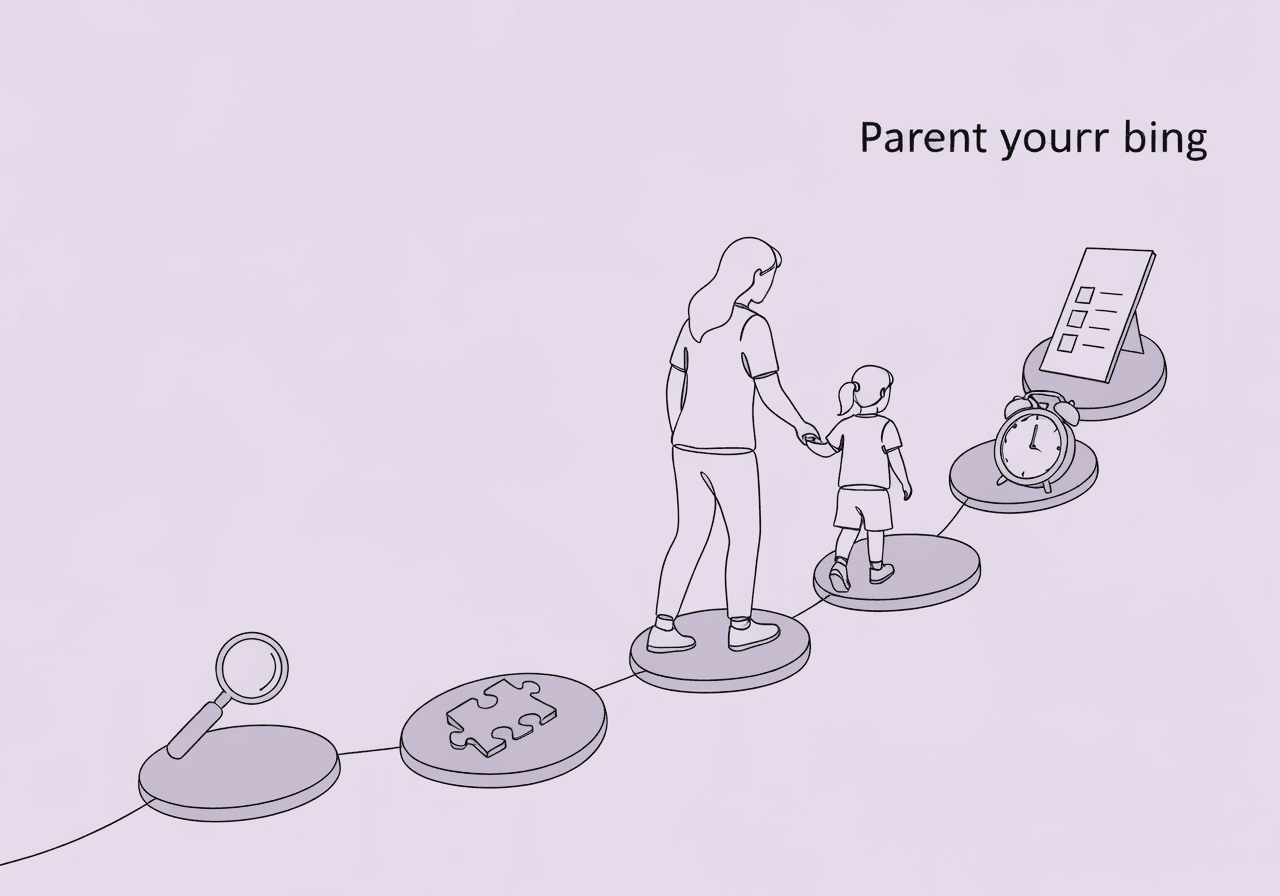
Decoding the Jargon: Simple Definitions for Main BIP Terms
Behavior Intervention Plans often use professional lingo that can confuse parents new to ABA. Understanding these essentials empowers you to implement strategies accurately, boosting BIP procedural fidelity for parents. Let's break down the basics based on established ABA principles.
Antecedent is the event or cue right before a behavior. For example, a loud noise might trigger meltdowns in some autistic children. Parents can spot these early and adjust, like using quiet timers during transitions.
Replacement behavior offers a positive alternative to meet the same need as a challenging action. If a child bites for attention, teach them to tap gently instead. This method, from functional behavior assessments, replaces problem behaviors effectively.
Consequence follows the behavior and shapes future actions. Positive ones, like praise, encourage repeats. Planned ignoring reduces unwanted ones. Parents apply these steadily to support BIP goals.
Reinforcement schedule details when rewards happen, starting every five minutes then fading to variable times. The Association for Behavior Analysis International notes that steady schedules build lasting habits in children with autism.
These basics draw from peer-reviewed ABA resources. They make home use reliable and cut confusion in your therapy role.
Building BIP Procedural Fidelity for Parents: Your Home Implementation Checklist
Simplifying BIP for home begins with a custom checklist. It turns therapy procedures into observable actions. High BIP procedural fidelity for parents depends on this straightforward approach. Parent-led efforts improve child outcomes when steps stay simple.
Start by reviewing your child's BIP with the BCBA. Pick core procedures, like discrete trial teaching. Break them into basic parts: prepare materials, present the cue, prompt if needed, reinforce success. Turn a trial into "1. Show picture card. 2. Wait 3 seconds. 3. Praise if correct."
Next, make actions measurable with yes/no checks. Ask, "Did I give the warning 5 seconds before transition?" ABA experts recommend this self-monitoring. It tracks fidelity without added stress.
Then, test the checklist in real life. Practice during calm moments, like morning routines. Note what fits best. Printable charts from groups like the Autism Society can help.
To wrap up, add reminders like phone alarms. Studies show parents using checklists reach high fidelity rates after two weeks of practice. This draws from parent training models. It eases home efforts while keeping things consistent.
For antecedent ideas, see our guide on ABA antecedent strategies for parents.
Simple and Objective Data Collection for Parents
Tracking implementation needs no fancy tools. Honest, binary records measure BIP procedural fidelity for parents. They reveal patterns and guide adjustments for stronger therapy results. Stick to quick methods that suit family routines.
After each strategy, log "Yes" if steps matched, or "No" with a short note like "Forgot prompt." For the child's response, mark if the target behavior showed (yes/no). Notebooks or apps do the job. The Behavior Analyst Certification Board (BACB) supports this for parent roles.
Target 3-5 chances daily, during meals or play. Reviews indicate binary tracking raises fidelity over vague notes. Share weekly overviews with your BCBA to tweak the plan.
Include child data too, like "Did the replacement behavior occur?" This keeps things unbiased and aids generalization. If issues linger, try ABC data for parents at home for more details.
Steady tracking grows your confidence. It shows progress without chasing perfection.
Consistent Communication: Delivering Straightforward Fidelity Feedback to Your BCBA
Open talks with your BCBA solve hurdles. Focus on implementation facts, not just child reactions. For BIP procedural fidelity for parents, say "I missed the warning cue twice today." Skip "My child got frustrated." BACB guidelines back this factual style for team tweaks.
Set short check-ins by email or weekly calls. Share checklist data. Start with wins: "Reinforcement hit 80% of the time, but evenings tire me out." Studies show feedback loops raise parent adherence.
Pose specific questions like "How to adapt for bedtime?" Keep it as a team effort. For tracking advice, read understanding ABA progress notes for parents.
Solid talks help the BIP fit your family. They also teach your child problem-solving.
The Generalization Payoff: How High Parent Fidelity Drives Lasting Skills
Strong BIP procedural fidelity for parents moves therapy skills to daily life. This ABA aim, called generalization, thrives with parent input. Studies link parent roles to better generalization than therapy alone. It speeds skill pickup and cuts regressions.
Home consistency reinforces gains, like replacement behaviors on outings. A Journal of Applied Behavior Analysis meta-analysis ties high-fidelity parent training to stronger social skill maintenance over months.
Parents feel less stressed as implementation builds family ties. Examples show checklists generalizing routines, easing outbursts with visual schedules.
For setback ethics, check RBT documenting non-progress guide. Your fidelity opens skill doors across settings.
Frequently Asked Questions
How does procedural fidelity impact ABA outcomes for children with autism?
Procedural fidelity keeps interventions on track. It ties to stronger skill gains and behavior drops. A Journal of Autism and Developmental Disorders study notes high parent fidelity boosts home outcomes. Without it, progress may not spread, slowing advances.
What role do parents play in maintaining treatment integrity in ABA therapy?
Parents apply BIP strategies daily to extend therapy. This ensures steady environments from clinic to home. The Association for Science in Autism Treatment stresses early training for high fidelity. It lifts child self-efficacy and family bonds.
How can parents effectively implement ABA strategies at home?
Begin with clear goals and visual aids like checklists. Reinforce positives right away. Break plans into 3-5 steps for routines to boost adherence. Work with BCBAs to match family needs.
What strategies can parents use to track their own fidelity in BIP implementation?
Binary checklists and basic logs capture yes/no on steps. Reviews show this raises confidence and accuracy. Add weekly BCBA feedback. Tools like Google Forms make it easy.
How does parent training affect skill generalization in ABA?
Training lets parents reinforce skills in natural spots. This shifts them from therapy to real life. Analyses note active parent roles speed generalization and ease long-term behaviors. Home practice builds lasting results.
What are effective ways to simplify BIP for home use?
Set measurable goals with visual schedules. Use quick reinforcements. Checklists for antecedents and consequences help reach solid fidelity. Let kids join planning for more buy-in.
Raising a child with autism can feel overwhelming, especially in the world of Applied Behavior Analysis (ABA) therapy. According to the Centers for Disease Control and Prevention (CDC) (2022), about 1 in 31 children in the U.S. has autism spectrum disorder. This makes tools like the Behavior Intervention Plan (BIP) vital for daily support.
Many parents face tough terms and exact steps for BIP procedural fidelity for parents. That means sticking to plan strategies at home so child progress holds beyond sessions. This guide draws from expert tips to build your ABA confidence.
You'll decode BIP terms, make a home checklist, track simply, talk well with your Board Certified Behavior Analyst (BCBA), and grasp skill generalization payoffs.
In this article, you'll find:
- Straightforward BIP basics to skip jargon.
- A parent-tailored step-by-step checklist.
- Routine-friendly data methods.
- Pro feedback-sharing tips.
- Proof of how parent fidelity sparks child wins.
In wrapping up, home BIP implementation through understanding, checklists, tracking, and talks brings big gains for your autistic child. Sources like the Journal of Applied Behavior Analysis confirm strong parent fidelity speeds skill spread and upkeep. It aids quicker steps and lowers family stress for smoother days.
Review your BIP with the BCBA now. Build a simple checklist this week. Try one strategy daily, log fidelity, and chat for input. Check Autism Society resources too. Your steady work today builds your child's independence tomorrow—one step at a time.
Popular in Family Resources
- 1
ABA Token Economy Parents: Step-by-Step Home Guide
2,4405 min read - 2
Understanding the ABA Extinction Burst for Parents
1,9607 min read - 3
Premack Principle for Parents: Boost Motivation
1,9486 min read - 4
Potty Training Challenges: ABA Strategies for Parents
1,6868 min read - 5
Functional Communication Training for Parents: FCT Guide
1,6127 min read
Popular in Family Resources
- 1
ABA Token Economy Parents: Step-by-Step Home Guide
2,4405 min read - 2
Understanding the ABA Extinction Burst for Parents
1,9607 min read - 3
Premack Principle for Parents: Boost Motivation
1,9486 min read - 4
Potty Training Challenges: ABA Strategies for Parents
1,6868 min read - 5
Functional Communication Training for Parents: FCT Guide
1,6127 min read
Related Resources
Explore more helpful content on similar topics

ABA Demand Fading for Selective Eating: Family Guide
Learn ABA demand fading for selective eating. This family guide covers strategies, reinforcement, and data collection to promote healthy habits without force.

Premack Principle for Parents: Boost Motivation
Discover the Premack Principle for parents: use first-then rules at home to boost motivation in children, especially those with autism. This step-by-step ABA guide provides practical tips for routines like homework and chores.
Shaping Behavior for Parents: ABA Skill Building Guide
Discover shaping behavior for parents in ABA: Master skill building with successive approximations explained, practical examples like shoe-tying, and home tips for your autistic child.