
RBT Partial Interval Recording Implementation Guide
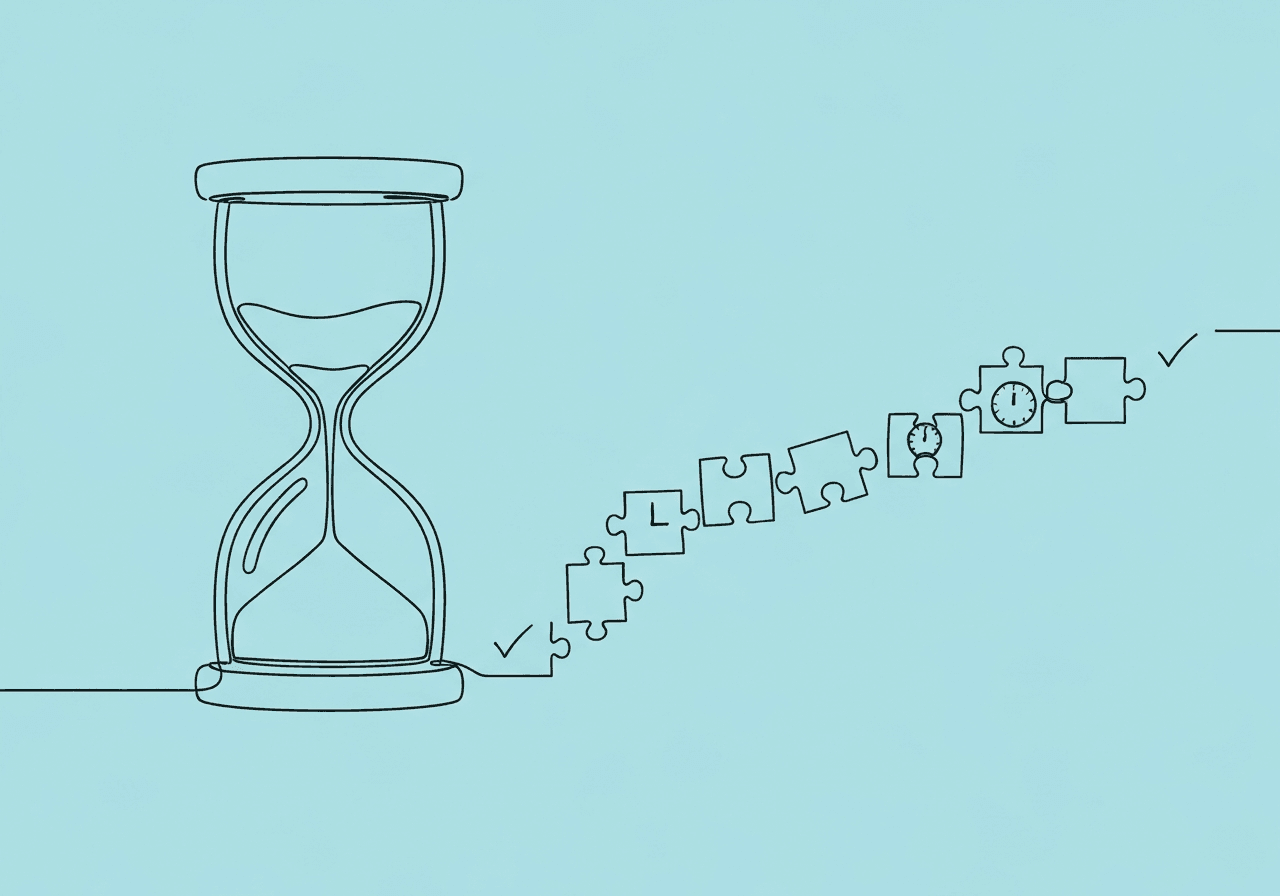
RBT Partial Interval Recording Implementation Guide
Imagine you're in the middle of an ABA session, trying to track a child's brief outbursts without missing a beat. For Registered Behavior Technicians (RBTs), RBT Partial Interval Recording implementation offers a practical way to capture this data efficiently. This discontinuous measurement method helps monitor behaviors that happen sporadically, supporting better intervention decisions. In this guide to RBT Partial Interval Recording implementation, you'll gain clear steps, avoid common errors, and understand its role in exam prep like the A-3 Task List.
Here's what we'll cover: an overview of PIR's purpose, a step-by-step guide to using it, tips for accurate documentation, pitfalls to dodge, what BCBAs expect from your data, and a quick comparison to Whole Interval Recording.
Key takeaways from this guide include:
- PIR breaks observation into intervals to track sporadic behaviors efficiently.
- It aligns with BACB standards for ethical data collection in A-3 Task List exam prep.
- Watch for overestimation bias and use IOA to ensure reliability.
- Compare PIR to whole interval methods for the right exam scenario.
- Proper documentation ties data to client goals for better interventions.
Understanding Partial Interval Recording (PIR) for RBTs
Partial Interval Recording, often called PIR, is a valuable technique in Applied Behavior Analysis (ABA) for RBTs. It breaks observation time into short intervals and notes if the target behavior occurs at any point within each one. According to the ABA Study Guide (2023), PIR measures presence or absence rather than exact frequency, making it ideal for behaviors that are hard to count continuously, like tantrums or self-stimulatory actions. See the RBT Task List (2nd ed.) for details on A-3 implementation.
This method shines in busy sessions where full-time tracking feels overwhelming. It aligns with BACB's Task List A-3, which requires RBTs to use discontinuous procedures ethically. By focusing on intervals, PIR helps spot patterns in problem behaviors, guiding adjustments to behavior plans. For exam prep, know that PIR suits decreasing unwanted behaviors, as it captures even fleeting occurrences, per Partial Interval Recording: A Practical Approach to Behavior Data.
Industry practices suggest starting with PIR when behaviors are low-rate and brief, as noted in Understanding interval recording in ABA data collection. This keeps data manageable while ensuring you document trends reliably. Always tie it back to the client's individualized education program (IEP) goals for relevance. For more on A-3 Task List exam prep, explore our A-3 Task List exam prep guide.
Step-by-Step Guide to RBT Partial Interval Recording Implementation
Implementing PIR starts with preparation to ensure consistency. Follow these steps for effective RBT Partial Interval Recording implementation:
-
Define the target behavior clearly. Use observable terms like "hand-flapping lasting over five seconds." The Theralytics ABA Blog (2023) emphasizes operational definitions to prevent vague recording.
-
Set your session length and divide it into equal intervals. For a 10-minute session, use 30-second intervals for 20 total. This length balances detail and feasibility—shorter for high-energy behaviors, longer for calmer ones. Signal intervals with a timer or app to stay on track.
-
Observe and mark during each interval. Watch each interval fully. Mark "yes" or "+" if the behavior happens even once; otherwise, note "no" or "-". Pause only for safety, resuming immediately.
-
Review and calculate after the session. Check marks for accuracy. To calculate the percentage, divide "+" intervals by total intervals, then multiply by 100. For example, 8 out of 20 intervals equals 40%.
-
Practice and refine. RBTs often find apps like Theralytics simplify timing, reducing setup time. This structured approach supports the A-3 Task List exam prep by reinforcing precise implementation. For discontinuous measurement documentation, see our discontinuous measurement procedures.
Practice this in training to build speed.
Documentation Essentials for PIR Data Collection
Accurate documentation turns raw PIR marks into actionable insights. Use a simple data sheet with columns for time, intervals, and notes. For each "+", jot the exact time or trigger if relevant, like "occurred after demand." The Cross River Therapy article (2023) recommends including antecedents and consequences to enrich reports.
Record this derived percentage at session's end, along with total time and observer initials. Digital tools auto-compute this, but always double-check manually. Ethical documentation avoids altering data—stick to facts for BCBA review.
Link findings to progress notes, noting if PIR overestimates due to brief events. For visual trends, explore our RBT visual analysis guide. This practice ensures compliance and supports reauthorizations. In sessions, log immediately to catch details fresh. Consistent formatting across sheets aids graphing later. Remember, poor notes can skew intervention tweaks, so prioritize clarity. Check our PIR data collection errors resource for common documentation tips.
Common Pitfalls in PIR and How to Avoid Them
RBTs face pitfalls like overestimation bias in PIR, where even a split-second behavior counts as a full interval. This inflates occurrence rates, per the How to ABA resource (2023), misleading behavior plans. Choose PIR only for behaviors you aim to reduce, not increase, as supported by Partial Interval Recording: A Practical Approach to Behavior Data.
Here are key pitfalls and avoidance strategies:
- Interval mismanagement: Too long, and you miss nuance; too short, and fatigue sets in. Test lengths in pilot sessions to find balance.
- Attention drift: Focus wanes over time. Combat it with breaks and partner checks.
- Vague definitions: Leads to inconsistent marking. Refine them with BCBA input upfront.
- Skipping IOA: Erodes reliability. Schedule it weekly.
For exam prep on PIR data collection errors, review our continuous vs. discontinuous ABA data differences. To avoid these, train regularly and self-audit sheets. Tools like timers prevent drift, ensuring data integrity. Spotting biases early keeps your work trustworthy.
What BCBAs Expect from PIR: IOA Checks and Ethical Use
BCBAs rely on PIR for evidence-based decisions, expecting at least 80% IOA for validity, though exact thresholds vary by case, as detailed in Questing for the Gold Standard of IOA Agreement. Conduct IOA by having a second observer score at least 20% of sessions blindly, comparing results, per The Ins and Outs of Interobserver Agreement (IOA). The Special Connections guide (2023) stresses this prevents drift and upholds BACB ethics.
Ethically, disclose PIR's limitations, like overestimation, in reports. Use it when continuous methods burden sessions, but switch if behaviors stabilize. Align with Section 1.04 of the RBT Ethics Code for accurate representation, as outlined in the RBT Ethics Code (2.0).
BCBAs value contextual notes, like environmental factors affecting data. For A-3 Task List exam prep, understand IOA as a fidelity check. This builds trust and refines programs. Regular feedback loops with your supervisor sharpen skills. Ethical PIR use directly impacts client outcomes, making it a cornerstone of professional growth.
PIR vs. Whole Interval Recording: Exam Context Insights
PIR and Whole Interval Recording (WIR) both use intervals but differ in scoring. PIR marks if behavior occurs anytime; WIR requires it throughout the entire interval. This makes WIR underestimate rates, ideal for building skills like on-task time, while PIR overestimates for problem behaviors.
Compare biases: PIR suits brief, intermittent actions; WIR fits sustained ones. For deeper dives, see our ABA discontinuous measurement comparison. Observer demand is lower in PIR, aiding multitasking.
In exam scenarios, choose based on goals—PIR for reduction, per BACB guidelines in the RBT Test Content Outline (3rd ed.). Both support discontinuous measurement, but know when to pivot for accuracy. Understanding these helps RBTs select tools wisely, enhancing data quality across interventions.
Frequently Asked Questions
What is partial interval recording in ABA?
Partial Interval Recording (PIR) tracks if a behavior occurs at any point in fixed time intervals, marking presence if it does even briefly. It's a discontinuous method for RBTs monitoring low-frequency behaviors like aggression. According to the ABA Study Guide (2023), this yields a percentage of intervals with behavior, aiding intervention evaluation without constant counting.
How does partial interval recording differ from whole interval recording?
PIR scores a "yes" for any occurrence in the interval, often overestimating behavior, while whole interval requires it throughout, underestimating rates. PIR fits behaviors to decrease; whole suits increases. The Theralytics blog (2023) notes PIR's lower observer burden but warns of bias—key for A-3 exam prep.
What are the pros and cons of partial interval recording?
One benefit is its efficiency for short behaviors, though a drawback is that it can overestimate occurrences. Pros include reduced fatigue versus continuous methods. Cons: less detail on duration. Industry practices suggest using it for problem behaviors, per Cross River Therapy (2023). Balance with IOA to mitigate inaccuracies.
Why does partial interval recording tend to overestimate behavior occurrence?
PIR counts an entire interval if behavior happens once, inflating perceived frequency or duration. This suits tracking rare events but distorts for frequent ones. The How to ABA guide (2023) advises clear definitions and appropriate intervals to minimize this in documentation.
How should interval length be selected to reduce data collection errors with PIR?
Select based on behavior rate: 10-30 seconds for brief actions, longer for sustained. Pilot test to avoid overestimation from long intervals. Special Connections (2023) recommends consulting BCBAs for case-specific choices, ensuring reliable RBT data.
What are common mistakes when using partial interval recording and how can they be corrected?
Mistakes include vague definitions leading to inconsistency and ignoring IOA, causing drift. Correct by operationalizing behaviors and weekly checks. The Theralytics resource (2023) suggests training and timers to fix attention lapses, boosting accuracy for exam and practice.
Mastering RBT Partial Interval Recording implementation empowers you to collect reliable data that drives real progress in ABA sessions. From defining behaviors to ethical documentation, PIR streamlines tracking while highlighting pitfalls like overestimation. Backed by BACB standards, it ties directly to A-3 Task List exam prep and daily work.
Next steps: Review your current data sheets for clarity, practice IOA with a colleague, and compare PIR to other methods in low-stakes trials. For deeper exam support, explore our discontinuous measurement procedures. This approach not only boosts your skills but ensures ethical, effective client care. Stay consistent—your precise records make a lasting impact.
Popular in Study Guides & Exam Prep
- 1
2025 RBT Competency Assessment Preparation Checklist
6,56710 min read - 2
BCBA Ethical Decision-Making Model: 8-Step Exam Guide
3,3808 min read - 3
RBT Exam Study Guide 2025: Complete Prep with Practice Questions & Tips
2,9828 min read - 4
ABA Continuous Measurement (Frequency, Duration)
2,6656 min read - 5
RBT Task List A-01: Prepare for Data Collection — 7-Step Checklist
2,1656 min read
Popular in Study Guides & Exam Prep
- 1
2025 RBT Competency Assessment Preparation Checklist
6,56710 min read - 2
BCBA Ethical Decision-Making Model: 8-Step Exam Guide
3,3808 min read - 3
RBT Exam Study Guide 2025: Complete Prep with Practice Questions & Tips
2,9828 min read - 4
ABA Continuous Measurement (Frequency, Duration)
2,6656 min read - 5
RBT Task List A-01: Prepare for Data Collection — 7-Step Checklist
2,1656 min read
Related Resources
Explore more helpful content on similar topics

ABA Latency, IRT, Duration: RBT Data Collection Guide
Discover the key differences in ABA latency, IRT, and duration for effective continuous measurement. Master RBT data collection methods with real-world examples, pros/cons, and exam prep tips to enhance your behavior analysis skills.
Master RBT D-5: Implementing Extinction Procedures
Master RBT Task List D-5 extinction procedures in this essential guide for ABA pros. Learn function-based extinction, manage extinction bursts, avoid common pitfalls, and excel in your BACB exam with practical examples and practice questions!

RBT C-14 Group Contingencies: Implementation Guide
Discover RBT C-14 group contingencies in ABA: independent, dependent, and interdependent types. This step-by-step guide covers implementation, examples, ethical considerations, and documentation tips to ace your RBT exam.