
RBT Telehealth Disruptions: Master ABA Documentation
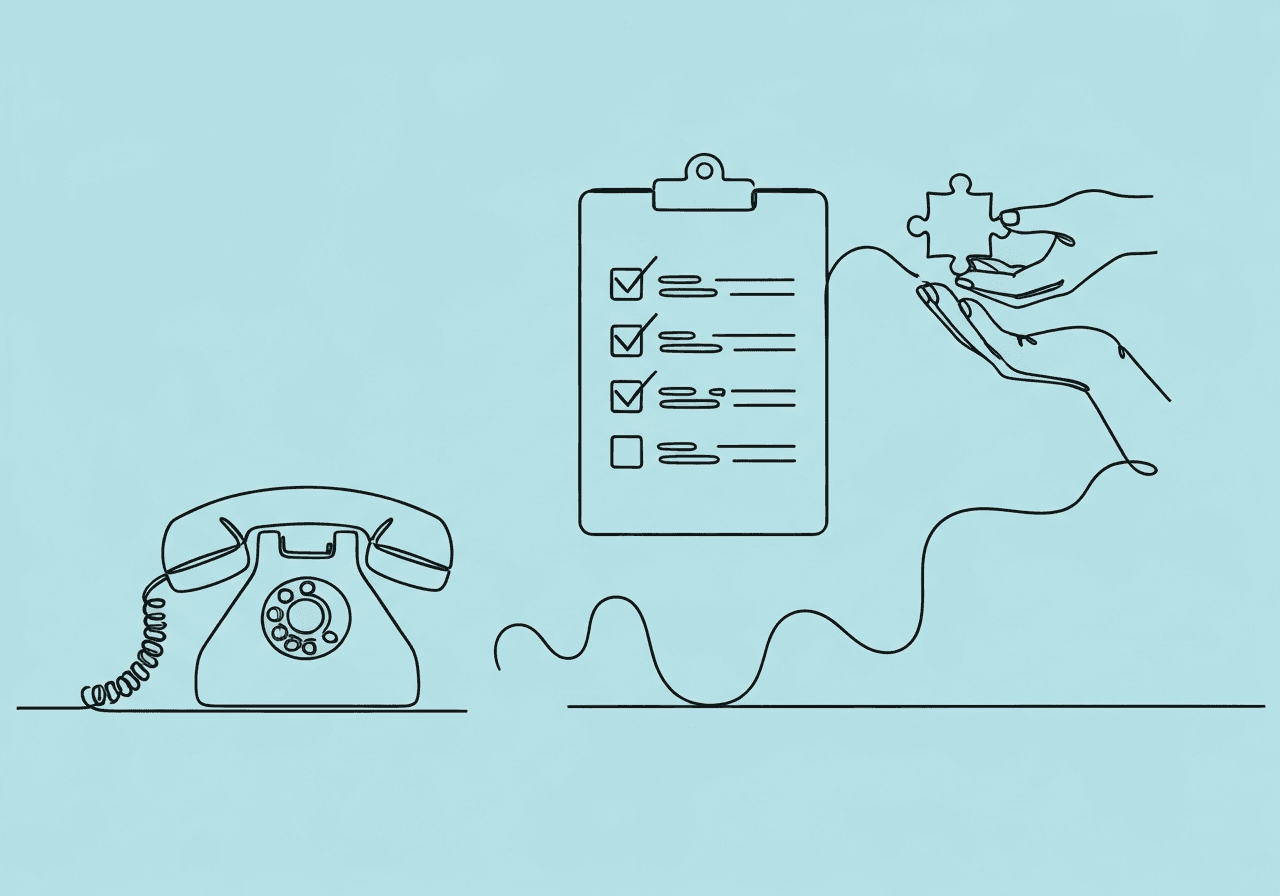
Mastering RBT Telehealth Disruptions: Key Takeaways for ABA Sessions
Imagine running a crucial ABA session. Your internet drops mid-prompt. This halts progress and risks client frustration. RBT telehealth disruptions like this happen often. Yet proper documentation turns them into compliant, billable moments. It avoids compliance headaches. As an RBT, you know mastering this protects client care. It meets BACB standards. It also safeguards billing.
In this guide, you'll discover:
- Common disruptions and their ABA impacts
- Pre-session checklists
- Real-time logging steps
- Post-session notes and BCBA reports
- HIPAA and billing strategies
- Avoidance tips with template ideas
Here are 3 key takeaways to handle RBT telehealth disruptions right away:
- Prep your tech fully before every session to spot issues early.
- Log disruptions in real time with timestamps for full transparency.
- Report everything to your BCBA quickly to keep supervision on track.
Common RBT Telehealth Disruptions and Their Impact on ABA Sessions
ABA session interruptions from telehealth glitches threaten treatment fidelity. Think about unstable internet connections. They top the list. These cause frequent disconnections. That disrupts data collection and prompting sequences. Guidelines from the California Association for Behavior Analysis note this (CalABA Telehealth Practice Brief). They reduce session efficacy. This happens when you coach parents or deliver direct services.
Audio and video glitches rank next. Freezing screens hurt rapport. Poor sound quality clouds behavior observations. Device malfunctions add trouble. Dead batteries or faulty webcams strike often. This is especially true in home settings. Low bandwidth creates lag. It falls below 384 Kbps or 640x360 resolution at 30 fps. See minimum standards here (Minimum Connectivity Requirements).
These RBT telehealth disruptions slow skill acquisition. They can increase problem behaviors. Hybrid models show promise. They achieve improvements in problem behavior reduction. Parent satisfaction stays high too. But undocumented issues risk violations. This ties to BACB Ethics Code 2.15 on service continuity. You don't want that as an RBT. Proper steps keep everything smooth.
Pre-Session Preparation Checklist for RBTs
Preparation cuts telehealth documentation ABA gaps. It sets you up for success. Start with a tech audit. Test internet speed, devices, and platform stability. Do this 30 minutes before sessions. BACB-aligned practices stress secure platforms. Have backup plans ready, like phone fallbacks. Check the Continuity of Services Toolkit (BACB Continuity Toolkit).
Here's how to handle your checklist. First, verify client and caregiver tech. Do a quick pre-session call. Confirm informed consent. Make sure it covers disruptions and alternatives. Prepare your physical space. Keep it quiet, well-lit, and distraction-free. Log your baseline data tools. Use shared screens for trials. Finally, alert your BCBA. Note any known risks upfront.
Document this completion in your session log. It's key. This aligns with RBT Ethics Code 1.04(d) for telehealth training. Link it to supervision notes too. Stay fully compliant. See our RBT Supervision Documentation: 2025 BACB Guide for more.
Why does this matter? As an RBT, you've likely faced a glitchy start. A solid checklist prevents that. It builds confidence for you and the family. Everyone stays on track.
Real-Time Logging Protocols During RBT Telehealth Disruptions
Disruptions hit fast. Act quickly to save session integrity. Pause the timer first. Note the exact time and issue. Say, "Video freeze at 10:15 AM due to Wi-Fi drop." Then switch to a backup. Use phone prompts if needed. Keep partial data collection going. Focus on verbal trials where you can.
When trouble starts, tell the client and caregiver. Be transparent right away. Log it in a timestamped app. Include disruption type, duration, and impact on targets. Resume via alternative methods. Or end safely if needed. Note the client's response. Grab screenshots of error messages too.
This approach meets documentation standards. It prevents abandonment claims. See BACB Ethics Code 2.15. Always prioritize safety. Don't push for full completion.
Picture a manding trial cut short by lag. You switch to phone. Log it all. That keeps data reliable. Your BCBA will thank you. It shows you're proactive.
Post-Session Note Structure and BCBA Reporting
Your notes must tell the full story. Start with basics. Include date, total duration, and uninterrupted time. Note the platform used. Detail disruptions clearly. Example: "15-minute internet outage at minute 20. Switched to phone for 5 trials of manding."
Cover key elements. List targets attempted and completed. Despite issues, note what worked. Summarize data with adjustments. Say, "80% accuracy pre-disruption." Add client and caregiver reactions. Include rapport notes. Summarize your BCBA notification.
Send reports to your BCBA within 24 hours. Use a secure channel. Include raw logs. This supports the 5% supervision requirements (BACB Supervision). For more help, check our ABA Telehealth Documentation 2025 Updates.
Strong notes bridge gaps. They prove continuity. As an RBT, clear records protect your work. They help billers too.
Ensuring HIPAA Compliance and Billing Continuity
HIPAA requires logging interruptions. It's part of risk management. Document consent for telehealth risks. Keep audit trails of access. Note resolutions to skip breach reports (HHS HIPAA Telehealth).
For billing, track billable time. Note partial sessions like CPT 97153. Payers want rationale. Say, "Tech glitch resolved via hybrid. Progress maintained." BACB requires retaining RBT-related documentation for at least 7 years (RBT Recertification Packet). HIPAA follows state laws for clinical records.
Follow these compliance steps. Use BAA-signed platforms with encryption. Log PHI handling during switches. Train on incident reporting.
Proper docs keep reimbursements coming. You've seen sessions derailed. Good logs fix that. They ensure steady pay and care.
Avoidance Strategies and Template Recommendations
Build routines to prevent issues. Do weekly tech tests. Train caregivers on basics. Hybrid models cut risks. They match in-person outcomes (PMC Recommendations).
Try this sample template:
Disruption Log Template
Time In/Out: ___ / ___
Issue: ___ Duration: ___ min
Action Taken: ___
Impact: ___ Next Steps: ___
Get customizable versions from BACB toolkits. Or use Praxis Notes tools. Track patterns quarterly. Refine your setups. Follow CASP parameters for reliability (CASP ABA Telehealth).
Prevention saves time. It's less stress for you. Families notice the smooth sessions.
Frequently Asked Questions
What are the most common technological issues during telehealth ABA sessions?
Unstable internet leads. Audio and video glitches follow. Device failures cause lag or disconnections. Guidelines recommend minimum bandwidth. Always have backups (CalABA Telehealth Brief). Test setups early.
How can RBTs ensure BACB compliance during telehealth disruptions?
Log details per Ethics Code 2.15. Note time, cause, actions, and plans. Retain records 7 years. Include in supervision (BACB Continuity Toolkit). Video counts toward 5%.
What documentation proves HIPAA compliance for ABA telehealth interruptions?
Record risk analysis and consents. Add timestamps and resolutions in EHR. Use BAA platforms with audits (HHS Telehealth HIPAA). Train on PHI safeguards.
How do telehealth cancellations impact ABA insurance authorization?
High cancellation rates can harm progress. They trigger reviews and risk hour cuts. Document fixes to prove necessity (Cross River Therapy).
What are best practices for real-time logging in disrupted sessions?
Timestamp issues right away. Note impacts and switch methods safely. Resume verbal data collection if possible. Share with BCBA promptly.
How often must RBTs report disruptions to BCBAs?
Report immediately for safety issues. Send full notes within 24 hours. This fits monthly 5% supervision (Praxis Notes).
RBTs who document RBT telehealth disruptions methodically uphold BACB Ethics Code 2.15 and HIPAA rules. They secure billing standards too. Evidence from CalABA shows structured logging preserves outcomes in hybrid models.
Next steps:
- Run a full tech checklist today using the sample above.
- Update consents and test backups this week.
- Review last month's logs for patterns with your BCBA.
This approach delivers seamless ABA care, even virtually.
Popular in ABA Session Notes & Tools
- 1
RBT Supervision Documentation: 2025 BACB Guide & Templates
6,7969 min read - 2
Master ABA Medical Necessity Documentation: Avoid Denials
4,3459 min read - 3
Master ABA SOAP Notes: Guide for RBTs & BCBAs
4,1639 min read - 4
ABA Documentation Best Practices for RBTs: Essential Tips
3,3815 min read - 5
Direct vs. Indirect RBT Supervision Documentation Guide
3,1797 min read
Popular in ABA Session Notes & Tools
- 1
RBT Supervision Documentation: 2025 BACB Guide & Templates
6,7969 min read - 2
Master ABA Medical Necessity Documentation: Avoid Denials
4,3459 min read - 3
Master ABA SOAP Notes: Guide for RBTs & BCBAs
4,1639 min read - 4
ABA Documentation Best Practices for RBTs: Essential Tips
3,3815 min read - 5
Direct vs. Indirect RBT Supervision Documentation Guide
3,1797 min read
Related Resources
Explore more helpful content on similar topics

RBT Post-Session Checklist: 10 Essential Steps
Master the RBT post-session checklist with 10 essential steps: verify data accuracy, align with BIP goals, log incidents, ensure HIPAA compliance, and prep for next session. Boost efficiency today!
RBT Session Workflow Checklist: Step-by-Step Guide
Master RBT session workflow with this step-by-step checklist guide. From authorization and preparation to documentation and compliance in ABA therapy. Download now for efficient sessions!
RBT Supervision Documentation: 2025 Compliance Guide
Master RBT supervision documentation with this step-by-step guide to compliant notes. Learn BACB requirements, key elements for supervision notes ABA, and prep for 2026 changes to stay certified and excel in ABA.