
ABA Token Economy Parents: Step-by-Step Home Guide
Quick Takeaways on ABA Token Economy for Parents
- Token economies use simple visuals to reward good behaviors at home.
- They cut down on fights over homework or bedtime for kids with autism.
- Start small with charts kids love, then fade for real independence.
- Always team up with your ABA pros for the best results.
- Avoid big pitfalls like skipping data or vague rules to keep it working.
Imagine navigating bedtime routines or homework battles with a child on the autism spectrum. Every day feels unpredictable. The CDC (2022 data) shows about 1 in 31 (3.2%) 8-year-old U.S. kids have autism spectrum disorder. This makes smart home strategies a must for families.
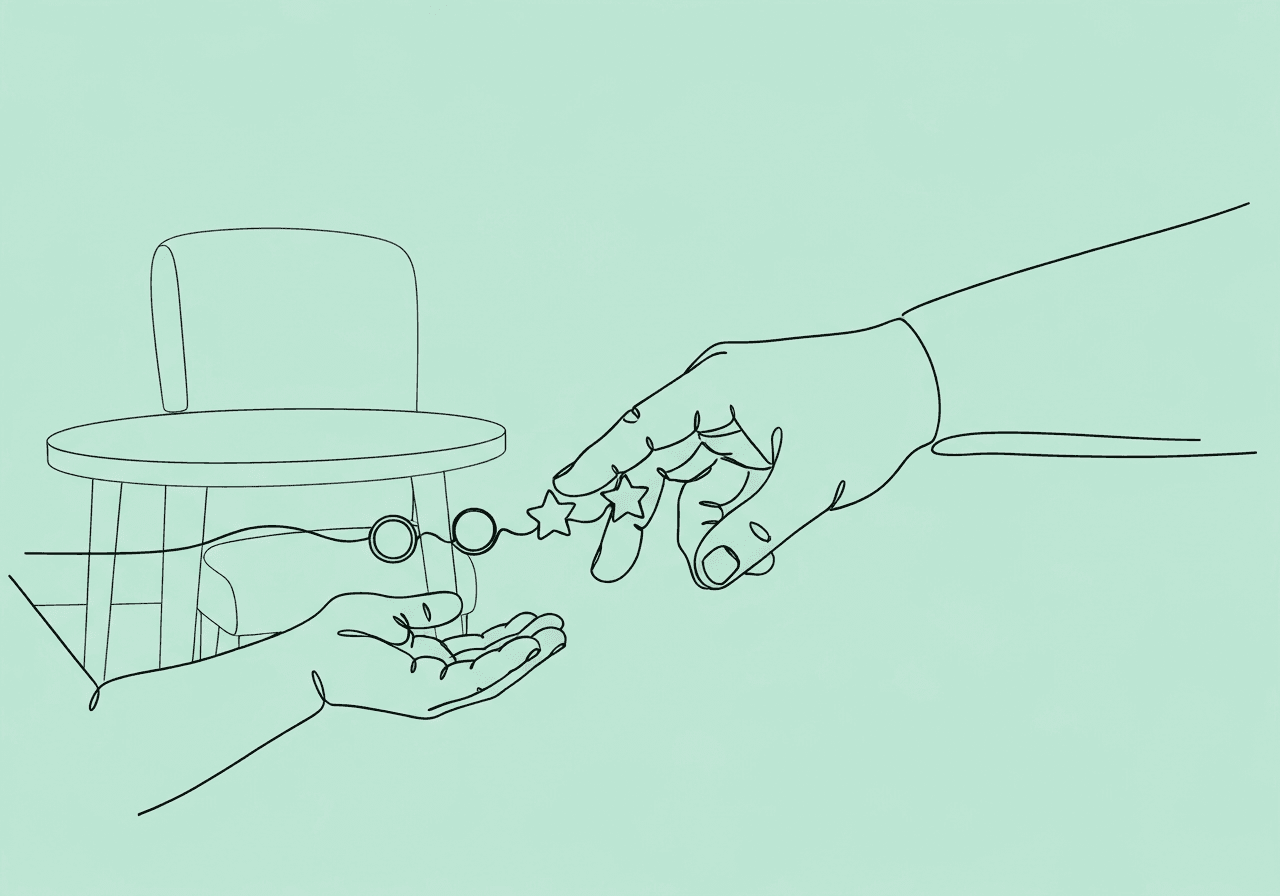
An ABA token economy for parents gives a proven, visual way to build positive behaviors. Kids earn tokens and swap them for rewards. It links therapy to daily life perfectly.
This guide walks you through evidence-based steps for a token economy at home. You'll learn what it is and its perks for autistic kids. Get tips on ABA reward charts parents swear by. Plus, pick tokens, dodge mistakes, team up, and fade out right.
What Is an ABA Token Economy for Parents?
Ever wonder how pros make behaviors stick? A token economy pulls from Applied Behavior Analysis (ABA) basics. Kids earn tokens for target actions, then trade for backups. This builds a clear path from effort to payoff. For kids with autism, visuals make expectations easy to grasp.
Parents bring this home to stretch therapy wins into chores or switches. Think "toys away" or "three math problems done." Key parts? Target behaviors stay specific and seeable. Tokens? They're bridges like stickers or tallies. Backup reinforcers? Big wins like screen time.
Vanderbilt Kennedy Center tips (2022) say it helps kids track steps and wait for good stuff. Start with easy charts for portability. It fits ABA ethics from the Behavior Analyst Certification Board. They stress positive reinforcement over punishment. See the Ethics Code for Behavior Analysts.
Parents love how it fits busy lives. No fancy gear needed. Just consistency turns chaos into calm.
What Are the Benefits of ABA Token Economy for Parents at Home?
Why bother with tokens in your living room? Token economies add structure kids with autism crave. Predictability eases their worry. It turns fuzzy rules into steps they can touch. A PubMed study (2015) proves tokens beat straight treats for some autistic learners.
Families see tighter routines and less blowups. Kids grab delayed gratification, like trading for playtime. Self-control grows. Motivation shifts inside over time. Skills spread to school or outings too. Everyone joins in.
Blue Gems ABA guidance points to better drive and self-belief. Heartlinks ABA on token economy stresses clear rules that nix frustration. Link it to ABA visual schedules for parents. Results skyrocket.
Kids finish more tasks now. Homework and daily skills jump, per studies like Token Economy Combined with Mystery Motivator. Nagging drops as steady tokens cut problem behaviors. Check Effects of a Token Economy on Autism. Families breathe easier. Positives take center stage, warming bonds.
Picture less yelling at dinner. More high-fives instead. That's the shift.
How to Set Up ABA Reward Charts for Parents: Step-by-Step Guide
Ready to build yours? Pick 1-3 targets first. Base them on your kid's spots, like "first-time directions." Chat with ABA folks for data picks. Keep wins close for quick boosts.
Craft a visual ABA reward chart for parents. Grab laminated boards, jars, or apps. Add token slots and a menu. Say 5 tokens snag a snack. Ambitions ABA parent training pushes bright, kid-friendly looks.
Role-play to teach it. Show token earns, heap praise, swap right away. Stick to it—tokens on the spot after good moves.
Try this flow:
First off, run a reinforcer survey. Jot 5-10 kid faves like treats or breaks. Get them chatting about wants.
Next, sketch the board. Slot in 5-10 spots. Easy starts? 3 tokens for small wins.
Daily launch in routines. Morning hustle works great. Log data weekly to spot trends.
Check back often. If earns dip, mix rewards or stretch ratios.
Give it 1-2 weeks. Cheer big steps as a crew. Tweak as you go. You'll see routines click.
What if they forget? Gentle remind with the chart. Patience pays.
How Parents Pick Tokens and Reinforcers for ABA Token Economy?
Tokens must spark joy. Toddlers dig stickers. School kids? Marbles roll fun. Teens track points digitally. Pick tough, countable, eye-catching ones. Skip distractors.
Backup reinforcers fuel the fire. Tie to loves like iPad blasts or fave toys. Frequent small trades kickstart. How to ABA tips polls for fits.
Tailor by age:
Preschoolers thrive on Velcro pics. Quick trades—2-5 tokens max.
School-age go for themed stickers. Swap 10 for park fun.
Teens build points for cash or hangs.
Swap choices often. Satiation kills buzz. Yellow Bus ABA practices say kid input boosts buy-in.
Test weekly. Ask "What's hot now?" Adjust fast. This keeps momentum.
Common Mistakes Parents Make with ABA Token Economy—and Fixes
What sinks most tries? Spotty tokens. Kids tune out fast without steady drops. Pin behaviors sharp. "Be good" flops hard. Autism Adventures flags vague traps.
Too many tokens? Dependency brews. Value tanks. Ramp ratios slow—from 5 to 10. Skip fades? Kids cling to props.
Troubleshoot these:
No backups? Tokens flop pointless. Stock menus always.
Blind to data? Daily logs rule. No lift in 7 days? Pivot.
Crew off-sync? Rules for all or bust.
Mindful Sprouts ABA on token boards pairs praise key. Not bribery—pre-teach positives. Dive deeper in ABA reinforcement vs. bribery.
If stalls hit, audit charts. Add fun? Shorten goals? Test one change. Track tight. Families fix 80% this way.
How ABA Token Economy Parents Collaborate with Teams for Fading
Loop in therapists. Share charts for match-ups. Swap session data. Align targets for carry-over. Team trains build your skills.
Fading builds real skills. Hit 80-90% steady? Stretch token needs slow. Swap to praise. See Common Practices for Token Economies.
Fade like this:
Uptick tokens per prize first.
Spot-deliver next.
Tie to ABA treatment plan parents' guide.
Hooray token-free wins!
Pitt SBH guide maps weeks of thinning. ABA norms back it.
Monthly huddles keep gains. Parents lead more. Kids shine solo.
Frequently Asked Questions
What Are Creative Token Ideas for Token Economy at Home?
Stickers, jar pom-poms, preschool magnets rock. Older? App points or cards. Theme to dinos or unicorns. ABA Journey says kid picks amp drive. Make it theirs. Swap jars for boards if mess bugs. Fun fuels sticks.
How Do I Track Progress in ABA Token Economy for Parents?
Sheet or app for daily earns, hits, swaps. Weekly scans spot ups or dips. Stall? Tweak targets. CentralReach backs logs. Print simples: Date, behavior, tokens, notes. Share with team. Trends guide wins.
What Mistakes to Dodge in Token Economy at Home?
Ditch spotty rules, fuzz goals, fade skips. No pie-in-sky aims or blank polls. Autism Adventures tops the list. Fix with dailies, clear pics, slow ramps. Consistency's your friend.
How to Tweak Token Economy as Kids Grow?
Ramp tough: More tokens, brainy prizes, self-track. Fade easy for solo. Magnet ABA matches stages. Yearly refresh. Teens? Goal-set together. Grows with them.
Can Parents Use Token Economies for Autism Kids at Home?
Totally. Prime for skills and calm. Task rates climb, issues drop per studies. Token Economy for Children Review. Home shines for routines.
How to Fade Tokens for Independence in ABA Token Economy Parents?
Ease schedules. Layer natural cheers. Data-watch tight. Months to intrinsic. How to ABA fading. Pro tip: Praise bridges. Kids own it.
ABA token economy parents reshape homes amid 1-in-31 autism rates from CDC (2022). Grab motivation tools. Ditch battles. Build bonds.
Start tiny with visuals. Stay steady. Team up. Assess reinforcers now. Chart this week. Data-share monthly. Fade on mastery. This system lasts.
Popular in Family Resources
- 1
Understanding the ABA Extinction Burst for Parents
2,0327 min read - 2
Premack Principle for Parents: Boost Motivation
2,0086 min read - 3
Potty Training Challenges: ABA Strategies for Parents
1,7498 min read - 4
Functional Communication Training for Parents: FCT Guide
1,6827 min read - 5
ABA Antecedent Strategies for Parents: Home Guide
1,4736 min read
Popular in Family Resources
- 1
Understanding the ABA Extinction Burst for Parents
2,0327 min read - 2
Premack Principle for Parents: Boost Motivation
2,0086 min read - 3
Potty Training Challenges: ABA Strategies for Parents
1,7498 min read - 4
Functional Communication Training for Parents: FCT Guide
1,6827 min read - 5
ABA Antecedent Strategies for Parents: Home Guide
1,4736 min read
Related Resources
Explore more helpful content on similar topics

Reinforcement Schedule Fading for Parents: ABA Essentials
Learn reinforcement schedule fading for parents in ABA. Transition from continuous to intermittent reinforcement at home for skill maintenance, generalization, and lasting independence. Discover practical tips and toolkits.
ABA Play Skills for Parents: Autism Home Guide
Parents: Master ABA play skills at home for autism development. Follow child's lead, use reinforcement, collaborate with BCBA, overcome challenges for progress and family bonding!

Premack Principle for Parents: Boost Motivation
Discover the Premack Principle for parents: use first-then rules at home to boost motivation in children, especially those with autism. This step-by-step ABA guide provides practical tips for routines like homework and chores.