
ABA Home Data FAQ: Track Your Child's Progress
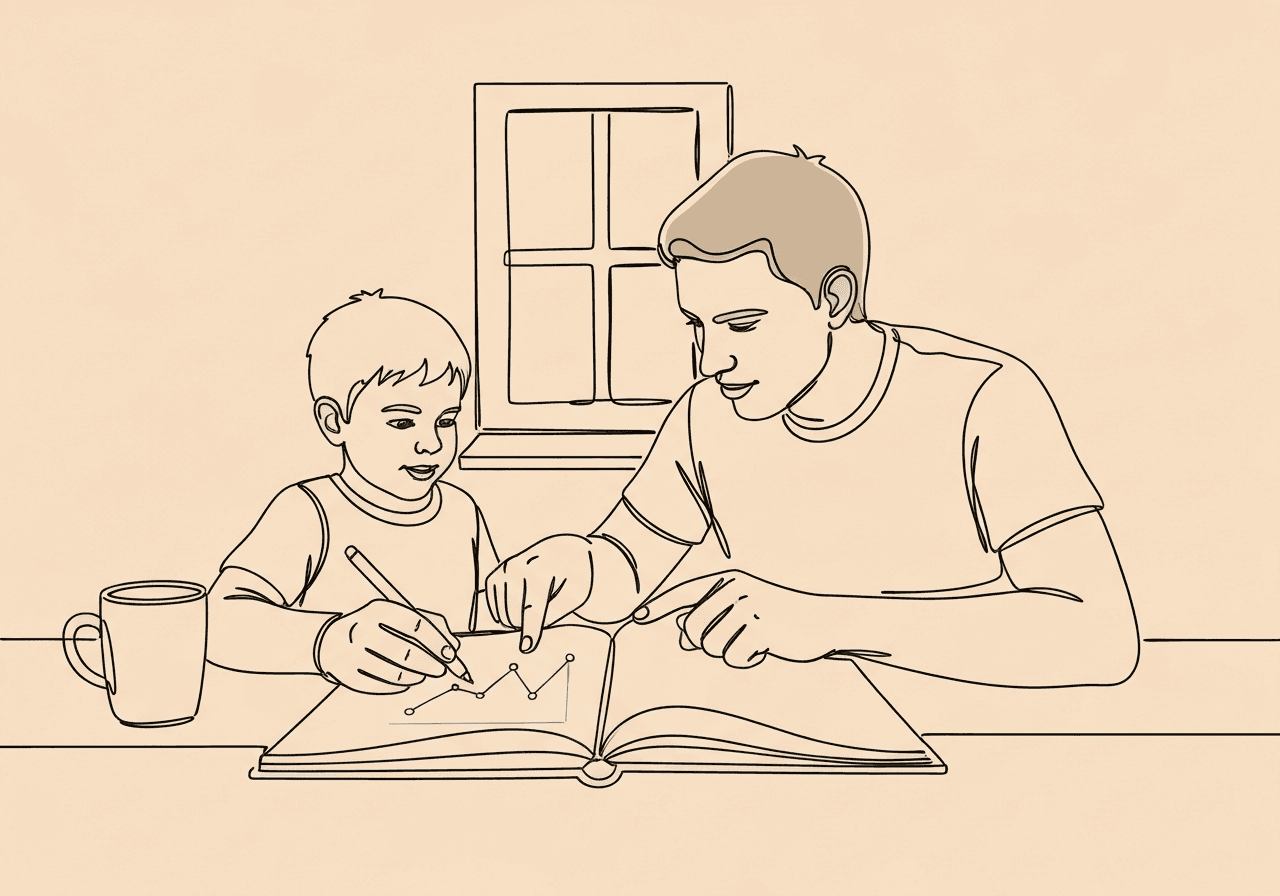
Why Should Parents Collect ABA Data at Home?
Parents often wonder how to support their child's ABA therapy beyond clinic sessions. Collecting ABA home data reveals patterns in behaviors and skills that therapists might miss. This leads to faster progress.
Parent involvement yields measurable benefits. Parent-mediated ABA shows moderate to large effect sizes in communication, social skills, and reducing challenging behaviors. Families report better collaboration too—data fosters trust and quick adjustments Walden University researchers (2023).
Home data collection bridges the gap between therapy sessions and daily life. Therapists rely on it to spot triggers, like tantrums during transitions, that only appear outside clinic walls. According to Yellow Bus ABA, this practice ensures treatments target real-world needs and improve skill generalization.
Start small. Note one behavior daily. This empowers you as a key team member. It aligns home routines with goals.
Here's what you'll find in this detailed ABA home data FAQ:
- Why home data matters for outcomes.
- Beginner-friendly methods and tools.
- Pitfalls to dodge.
- Ways to collaborate with your BCBA.
- Its role in insurance and long-term gains.
What Are Simple Methods for Beginner Parent ABA Tracking?
New to parent ABA tracking? Focus on straightforward techniques backed by ABA standards. Frequency recording counts how often a behavior occurs, like hand-flapping episodes per hour. Duration recording times events, such as meltdown length.
ABC data—Antecedent (what happened before), Behavior (what occurred), Consequence (what followed)—uncovers patterns. For example, note "asked to clean up (A), refused (B), got iPad (C)." These methods come from established ABA protocols, as outlined by Treetop ABA Therapy.
Make it a habit by jotting notes in a notebook during playtime or meals. Focus on 2-3 targets weekly, like following instructions or sharing toys. Review notes before sessions for discussion.
Consistency matters more than perfection. Practice reveals progress trends. This helps therapists refine plans.
What Are the Best Tools and Apps for Home Progress ABA?
Tools simplify home progress ABA without overwhelming beginners. Paper options like tally sheets or ABC charts work anywhere—no tech needed. Digital shifts data to graphs for easy sharing.
Common tools include:
| Tool | Key Features | Best For |
|---|---|---|
| Behavior journals | Anecdotal notes between sessions | Quick, no-tech entry |
| Mobile apps | Real-time entry, frequency counts, visuals April ABA Resources (2024) | On-the-go tracking |
| Google Sheets | Custom trackers with auto-charts | Visual progress sharing |
Request templates from your provider—they often supply progress logs. For visuals, graph skill acquisition over weeks. These align with BACB guidelines for objective measurement Ethics Code for Behavior Analysts - BACB.
Choose low-effort tools fitting your routine, like voice notes transcribed later.
What Are Common Mistakes in ABA Home Data Collection and How to Avoid Them?
Even motivated parents slip up. A top error: inconsistent recording, like skipping days. This skews trends Alight ABA (2024).
Another: vague definitions, calling all cries "tantrums" without specifics. Inaccuracy arises from retrospective entry or bias, per Cross River Therapy.
Avoid pitfalls with these steps:
- Define targets clearly (e.g., "screams for 2+ minutes").
- Record in real-time, even roughly.
- Train via provider sessions—many offer parent coaching.
- Share drafts for feedback.
Regular practice builds accuracy. Track your tracking to stay accountable.
How Should You Share ABA Home Data Effectively with Your BCBA?
Smooth sharing strengthens teamwork. Email weekly summaries or use provider portals/apps for uploads. Include graphs, notes, and questions like "Noticed more compliance during mornings—adjust goals?"
Timing counts: Provide data before reviews. BCBAs integrate it into progress reports, per Grateful Care ABA.
Best practices:
- Organize by goal (e.g., "Social skills: 80% sharing toys").
- Highlight changes or concerns.
- Attend data review meetings monthly.
This loop ensures therapies evolve with home realities. It boosts outcomes.
What Is the Role of Home Data in Insurance Reauthorization and Progress Tracking?
Home data proves medical necessity for insurance. Providers compile parent logs into reports for reauthorizations. Frequency varies by insurance provider and state, typically every 3-6 months or as specified in the plan Autism and Insurance Coverage State Laws - NCSL.
Strong trends—like reduced behaviors or skill gains—support continued coverage Blossom ABA Therapy. It tracks long-term home progress ABA too. Graphs show mastery, guiding fades in support. Without it, approvals risk denial.
Parents contribute via:
- Consistent logs submitted 1 month pre-deadline.
- Portals for secure entry.
- Collaboration on reassessments.
This data-driven approach sustains therapy Yellow Bus ABA Insurance Guide.
Frequently Asked Questions
Why should parents collect ABA data at home?
Parent-collected data ensures therapy reflects daily life. It reveals patterns therapists miss. It boosts outcomes, with parent-led ABA showing significant self-efficacy gains and skill improvements in communication and behavior reduction Walden University (2023). Share it to align home and sessions for better generalization.
What simple methods work best for beginners?
Start with frequency counts, duration timing, or ABC charts. Note behaviors like "toy requests (A), grabs (B), praised (C)." Use notebooks for ease. These core ABA methods track progress reliably without complexity [Treetop ABA Therapy].
What recommended tools and apps should parents use?
Opt for tally sheets, journals, or mobile apps for real-time tracking and graphs. Google Sheets works for visuals. Request provider templates. These tools support accurate parent ABA tracking per ABA best practices [April ABA].
What common mistakes should parents avoid in ABA home data collection?
Skip inconsistency, vague terms, or delayed entry—these distort data. Define behaviors precisely and record live. Parent training helps, avoiding pitfalls that weaken therapy [Cross River Therapy].
How can parents share ABA home data effectively with their BCBA?
Submit via email, portals, or meetings with graphs and notes. Time it for reviews. Highlight trends. This fosters adjustments and collaboration Yellow Bus ABA Data Role.
What is the role of home data in insurance reauthorization and progress tracking?
It evidences progress for renewals, compiled into reports by BCBAs. Strong data prevents denials and tracks mastery Yellow Bus ABA Insurance Guide.
Home data collection transforms parents into active partners in ABA success. It drives skill growth, self-efficacy, and insurance continuity. You've got the tools. Simple methods yield big results in this ABA home data FAQ.
Next steps:
- Pick one behavior. Track ABC data for a week using a notebook.
- Share your first log with your BCBA at the next session.
- Request a training or template to build confidence.
Empower your child's journey with consistent ABA home data today.
Popular in Family Resources
- 1
ABA Token Economy Parents: Step-by-Step Home Guide
2,3915 min read - 2
Understanding the ABA Extinction Burst for Parents
1,9287 min read - 3
Premack Principle for Parents: Boost Motivation
1,9266 min read - 4
Potty Training Challenges: ABA Strategies for Parents
1,6758 min read - 5
Functional Communication Training for Parents: FCT Guide
1,5837 min read
Popular in Family Resources
- 1
ABA Token Economy Parents: Step-by-Step Home Guide
2,3915 min read - 2
Understanding the ABA Extinction Burst for Parents
1,9287 min read - 3
Premack Principle for Parents: Boost Motivation
1,9266 min read - 4
Potty Training Challenges: ABA Strategies for Parents
1,6758 min read - 5
Functional Communication Training for Parents: FCT Guide
1,5837 min read
Related Resources
Explore more helpful content on similar topics

Simple ABA Data Collection for Parents at Home
Parents, discover simple ABA data collection for parents at home! Master frequency counts and duration tracking to monitor progress, ensure continuity of care, and aid BCBA adjustments.
ABA Morning Routine for Parents: Autism Strategies
Struggling with chaotic mornings? Discover ABA morning routine strategies for parents of autistic kids. Master visual schedules, chaining, rewards, data tracking & BCBA tips for smooth starts! (158 chars)
ABA Imitation Games for Parents: Fun Home Activities
Discover fun ABA imitation games for parents to teach motor imitation for toddlers and key skills to autistic children at home. Get step-by-step activities, environment setup tips, and reinforcement strategies for success.