ABA Play Skills for Parents: Autism Home Guide
Parents, master ABA play skills at home! Follow child's lead, use reinforcement, collaborate with BCBA, overcome challenges for autism development & family fun.

By Praxis Notes Team Editorial team
Published 5 min read
On this page
Imagine watching your child with autism light up during a simple game of rolling a ball back and forth. They gradually learn to wait for their turn. For ABA play skills parents use every day, this bridges therapy sessions and home life. It fosters social growth and independence.
This guide shares parent play strategies ABA experts recommend. You’ll learn why play skills matter for your child’s development. You’ll find easy autism play skills home activities for turn-taking and engagement. Discover reinforcement techniques that truly motivate kids. Get tips for teaming up with your BCBA. Explore solutions for common hurdles. See the lasting benefits for your child and family. These steps make play fun and purposeful. They draw from ABA principles like Natural Environment Teaching (NET). As a parent, you’re key to making this work.
Why ABA Play Skills Matter for Parents of Children with Autism
Play builds the foundation of learning for kids with autism. It grows cognitive skills like problem-solving and creativity. It also boosts social abilities such as sharing and cooperation. Research in the Journal of Autism and Developmental Disorders shows play interventions boost functional, symbolic, and social play across settings. See the Integrated Play Groups study.
Autism play skills home activities enhance emotional regulation and communication too Activities for Children with Autism. Kids often face delays in joint attention or imitation Joint attention revisited. This makes structured play key. ABA uses play to teach these skills naturally. It reduces challenging behaviors while promoting independence Applied Behavior Analysis overview.
Parents help with generalization. Daily home practice sustains therapy gains NCBI autism play research. Have you seen how short play moments add up? They turn routines into learning chances. Your role makes all the difference. It’s empowering to watch progress unfold.
ABA Play Skills Parents: Simple Home Play Activities for Turn-Taking
Begin parent play strategies ABA style by following your child’s interests. This is NET in action. Join their favorite activity, like stacking blocks. Model simple actions they can copy. Keep sessions short—5-10 minutes—to build engagement without overwhelm ABA session length guide. Short bursts work best at home. They match your child’s attention span.
Try turn-taking with a ball. Roll it back and forth. Say, “Your turn!” Pause and wait. Praise any effort: “Great job waiting!” Next, add toys like trains. You move one first. Then hand it over. Say, “Now your turn with the train.” These steps build cooperation. ABA providers like Blossom Children’s Center recommend them.
Move to pretend play. Role-play shopping with dolls. Narrate turns: “Mommy’s turn to pay. Now your turn to shop.” Use visual cues like a timer or picture cards. They add predictability. Track what clicks best. Share notes with your therapy team.
Here’s a quick table of these ABA play skills parents love:
| Activity | Target Skill | Steps to Start | Reinforcement Tip |
|---|---|---|---|
| Ball rolling | Turn-taking | Roll, say “Your turn,” pause | Praise “Great waiting!” |
| Train moving | Cooperation | Move yours, hand over | High-five for handing |
| Doll shopping | Pretend turns | Narrate roles, use visuals | Extra playtime for joins |
| Block stacking | Imitation | Model stack, encourage copy | “Awesome tower!” cheer |
This setup makes practice simple. It fits busy family schedules. You’ll see engagement grow fast.
Using Reinforcement During Play to Boost Engagement
Reinforcement builds desired play behaviors right away. Praise specifically: “You shared the car—awesome job!” Pair it with preferred items, like extra playtime. This matches ABA principles from ABA Reinforcement Definitions.
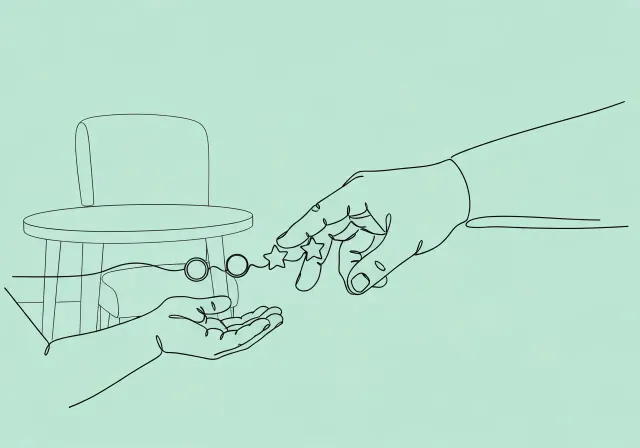
Fade constant rewards over time. Switch to natural ones, like a high-five. For extra motivation, try token systems. Earn stars for good turns. Redeem them for a favorite toy. Research shows positive reinforcement in play boosts sustained interaction Playful positive affect study.
Watch what works best for your child. Notice communication during play, like mands for “I want ball.” It links to ABA Verbal Operants. Here’s how to apply it step by step:
- Spot the behavior, like waiting for a turn.
- Deliver praise or a token immediately.
- Repeat consistently across play sessions.
- Fade to social praise as skills strengthen.
Consistency at home turns play into real learning. It’s rewarding to see your child seek you out more.
Collaborating with Your BCBA for ABA Play Skills Parents Use
Team up with your BCBA to align home and therapy. Share videos of play sessions. Get feedback on prompts or data. They can teach pivotal response training. Blend it into daily routines easily.
Join parent training on ABA play skills parents apply daily. Discuss progress trackers for engagement or turns. This teamwork helps skills stick Early Autism play resources.
Follow their goals, like fading prompts. Use the RBT Prompt Fading Checklist. Regular check-ins keep strategies fresh. Ask: “How can we tweak this for home?” Your input shapes success. It’s a partnership that pays off.
Overcoming Common Challenges in Autism Play Skills at Home
Kids with autism often stick to solitary, repetitive play like lining up toys Autism play observations. Join in gently. Then add variety: “Let’s make the cars race now.” Patience avoids frustration. Build slowly.
Imaginative play lags too—no pretending a block is a phone Pretend play in autism. Model it simply: “The block is eating dinner!” Use scripts or video modeling ABA Centers play tips. Repeat often.
Sensory issues or routine rigidity pop up. Offer choices. Stick to short bursts. If meltdowns hit, step back and retry later. NCBI notes consistent play-based interventions help NCBI intervention study.
Tips to handle these:
- Start parallel play side-by-side.
- Use preferred toys as bridges.
- Reinforce tiny social steps.
- Stay calm and consistent.
These hurdles fade with practice. You’ll gain confidence too.
Benefits of ABA Play Skills Parents Build: Progress and Bonding
Mastering play speeds up development. Kids gain social confidence, better communication, and fewer behaviors. This leads to peer friendships ABA benefits overview. Families report stronger bonds through shared fun Double Care ABA insights.
Long-term, skills aid school readiness and independence. Play cuts isolation. It boosts self-esteem. Parents feel empowered. Routines become joyful learning.
Research confirms structured play improves attention and problem-solving Indiana play strategies. It’s a win for everyone.
Frequently Asked Questions
How can parents incorporate play-based ABA strategies into daily routines at home?
Follow the child’s lead with NET during bath time or meals. Use toys for turn-taking. Reinforce waits with praise. Keep it fun and short—5-10 minutes Rise Up for Autism.
What are effective play activities for enhancing social skills in children with autism?
Roll balls, share blocks, or role-play greetings. Model imitation. Praise cooperation. These build turn-taking and joint attention Kids First Services.
How does positive reinforcement work during home play sessions?
Give praise or items right after sharing. Fade to social rewards. It encourages repetition Magnet ABA.
What role do parents play in reinforcing ABA play skills learned in therapy?
Practice daily with prompts and tracking. Share notes with BCBAs. This generalizes skills Chicago ABA Therapy.
How can I overcome my child’s preference for solitary play?
Join first, add parallel play. Reinforce interactions. Build to cooperative turns Headway ABA.
What are examples of simple ABA play activities at home?
Ball rolling for turns, block stacking with modeling, pretend tea parties. Reinforce and fade prompts Blossom Children’s Center.
ABA play skills parents apply thoughtfully transform family life. You’ve got targeted activities, reinforcement, and teamwork tips. All backed by expert sources. These parent play strategies ABA promote real growth.
Next steps:
- Pick one activity, like ball turns, for 10 minutes daily this week.
- Video a session and chat with your BCBA.
- Track wins in a notebook.
Your efforts build skills and joy. Start small today.