
Functional Equivalent Replacement Behavior Beginner Guide
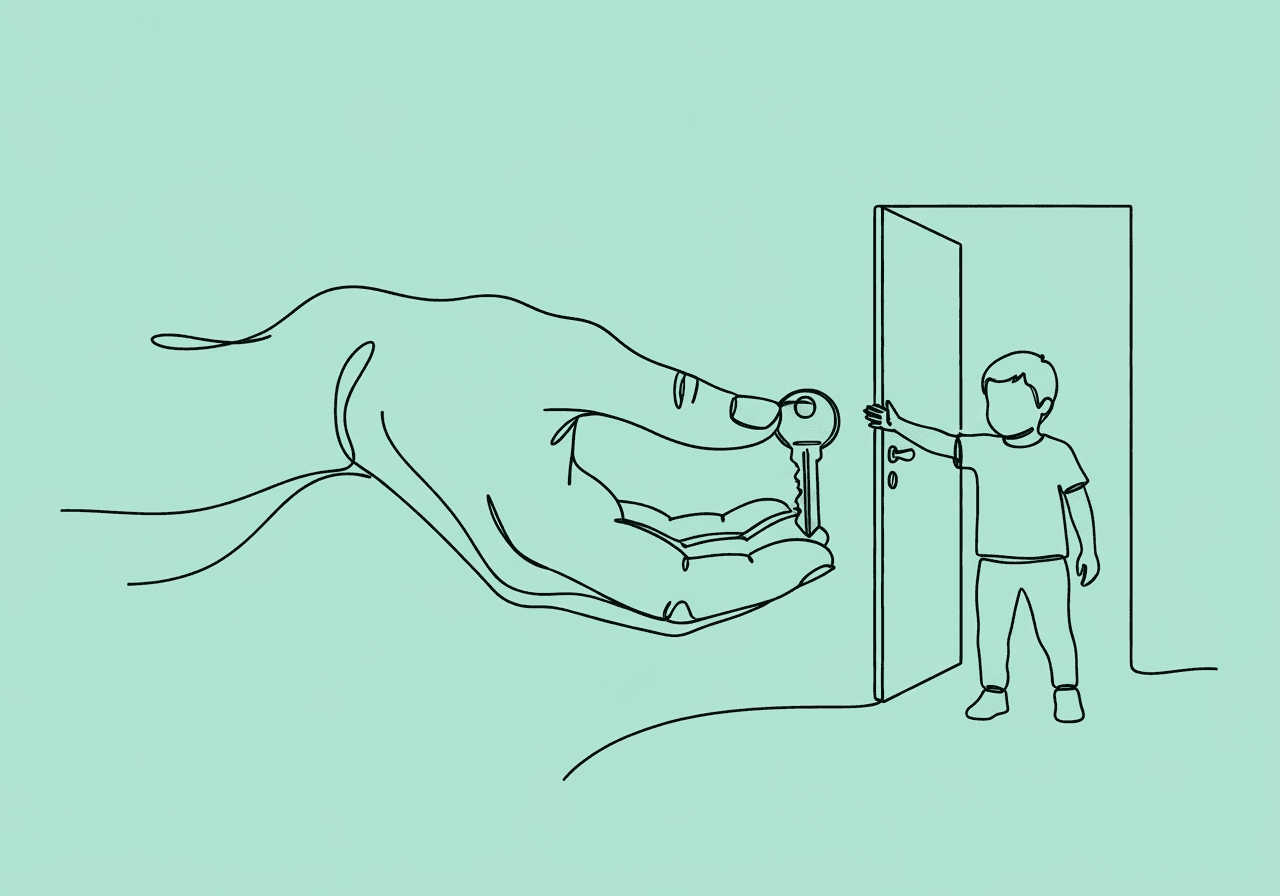
Functional Equivalent Replacement Behavior for Beginners
Imagine a child who throws toys every time homework feels overwhelming, not out of defiance, but to escape the task. As a Registered Behavior Technician (RBT) or parent supporting a child in ABA therapy, understanding functional equivalent replacement behavior beginner strategies can transform daily routines. This approach teaches socially acceptable ways to meet the same needs, reducing disruptions while building skills.
In this guide, you'll learn why FERBs matter, a simple 5-step process to implement them, real-world examples for common functions like escape and attention, and practical tips for RBTs and families. Whether you're new to ABA or helping at home, these evidence-based insights empower you to foster independence and positive change.
Here are 3 key takeaways for beginners:
- FERBs match the function of challenging behaviors to meet needs positively.
- Follow a structured 5-step process for effective implementation.
- Consistency from RBTs and families leads to faster skill gains and less stress.
What is a Functional Equivalent Replacement Behavior?
A functional equivalent replacement behavior (FERB) is a positive alternative to a challenging behavior that serves the exact same purpose, or function, for the individual. For instance, if a child yells to gain attention, a FERB might be raising their hand instead. This approach, rooted in applied behavior analysis (ABA), ensures the child's needs—like escape from demands or access to items—are met appropriately without harm.
According to the IRIS Center at Vanderbilt University, a FERB must match the problem behavior's function while being easier, faster, or more efficient to perform. This prevents extinction bursts, where stopping a behavior without a replacement can worsen it temporarily. FERBs promote long-term success by teaching adaptive skills, aligning with ABA's focus on socially significant outcomes.
Research emphasizes that FERBs differ from mere absence of the problem; the individual actively performs the new behavior to access reinforcement. For beginners, start by recognizing that functions typically fall into four categories: attention, escape, tangible items, or sensory stimulation, as outlined in standard ABA practices.
Why FERBs Matter in ABA Therapy
FERBs are important because they address the root cause of behaviors, not just the symptoms. In ABA, challenging behaviors often communicate unmet needs, and ignoring the function can lead to frustration for everyone involved. By teaching a FERB that matches the function, you help the child communicate effectively, reducing reliance on maladaptive actions.
Studies on ABA interventions, which heavily incorporate FERBs, show strong outcomes. For example, meta-analyses indicate up to 88% of children receiving ABA therapy demonstrate noticeable gains in adaptive behaviors and behavior reduction, according to a 2023 review in JAMA Pediatrics. This success stems from FERBs' role in functional communication training (FCT), where alternatives like verbal requests replace aggression.
For RBTs and parents, FERBs build collaboration. Families report less stress at home, while professionals see faster progress in sessions. As per the Behavior Analyst Certification Board (BACB) guidelines, ethical ABA prioritizes such replacements to enhance quality of life. Without them, interventions risk failure, as needs go unmet.
The 5-Step Process for Implementing FERBs
Implementing a FERB follows a structured, evidence-based process. This 5-step method, drawn from ABA best practices, ensures beginners can apply it systematically.
First, conduct a Functional Behavior Assessment (FBA). Observe the behavior's antecedents, behaviors, and consequences (ABC data) to pinpoint the function. Tools like indirect assessments or direct observation help identify if it's for escape, attention, or tangibles.
Next, select the FERB. Choose a replacement that serves the same function but is socially acceptable and within the learner's skill set. It should require less effort—for example, a simple gesture over a tantrum. Ensure it's culturally appropriate and reinforcing.
To teach the FERB, use explicit instruction like modeling, prompting, and rehearsal. Functional Communication Training (FCT) is ideal here: demonstrate the behavior, practice it, and provide immediate feedback. Start in low-demand settings.
Then, reinforce the FERB. Deliver reinforcement right after the behavior occurs, such as praise or access to preferred items. Differential reinforcement—rewarding the FERB while ignoring the problem—strengthens it over time.
Finally, generalize and monitor. Practice across environments, fade prompts gradually, and track data in a Behavior Intervention Plan (BIP). Adjust based on progress to ensure the FERB works everywhere.
This process, supported by resources from the National Center on Intensive Intervention, can yield results in weeks to months depending on consistency and individual factors.
Examples of FERBs Matching Common Behavior Functions
Matching a FERB to the behavior's function is crucial for effectiveness. Here are beginner-friendly examples for three common functions, based on real ABA scenarios.
Escape Function (Avoiding Tasks)
Children might refuse work or throw items to escape demands. A FERB could be requesting a break: "I need help." Teach this by prompting the child to use a visual card during math time. Reinforce with a 2-minute break, reducing refusals by providing the same escape outcome politely, as described by Cross River Therapy (2024).
Attention Function (Gaining Focus)
Yelling or hitting to get adult notice is common. Replace it with a gentle tap on the arm or saying "Look at me." Model this during play, then reinforce with undivided attention. This FERB meets the social need without disruption, drawing from ABA strategies in the Autism Spectrum Disorder Network (2023).
Tangible Function (Accessing Items)
Crying for a toy serves to obtain it quickly. A FERB might be using words: "Can I have the ball?" or a picture exchange. Implement via token systems—earn access after requesting properly. This teaches patience while fulfilling the desire for the item.
These examples highlight FERB matching function, ensuring the replacement is practical and effective.
Tips for RBTs and Parents on Teaching Replacement Behaviors
As an RBT or parent, success with teaching replacement behaviors relies on consistency and collaboration. Start small: Pick one behavior and practice daily for 10-15 minutes. Use visual aids like picture cards or social stories to make concepts concrete—especially helpful for non-verbal learners.
Involve the team: RBTs, share data with BCBAs during sessions, while parents reinforce at home. Track progress with simple charts to celebrate wins, like fewer outbursts. If challenges arise, revisit the FBA; behaviors can have multiple functions.
For families, integrate FERBs into routines without pressure—turn it into a game. RBTs, remember BACB ethics: Always prioritize the child's dignity. Common pitfalls? Over-prompting—fade support gradually. With patience, you'll see empowered, happier interactions.
Frequently Asked Questions
What is a Functional Equivalent Replacement Behavior (FERB)?
A FERB is a positive, alternative action that fulfills the same purpose as a challenging behavior, like requesting attention instead of hitting. It must be easier to perform and socially acceptable, as defined by ABA standards from the IRIS Center (2023). This approach reduces disruptions while meeting underlying needs.
Why use FERBs instead of just stopping the problem behavior?
Simply extinguishing a behavior ignores its function, potentially increasing frustration or "extinction bursts." FERBs address the root need effectively, leading to sustainable change. This method promotes adaptive skills and better long-term outcomes in ABA therapy.
How do you identify the function of a behavior?
Use a Functional Behavior Assessment (FBA) involving ABC analysis: note antecedents (what happens before), the behavior, and consequences (what follows). Common functions include escape, attention, or tangibles. Direct observation yields accurate results.
What criteria must a FERB meet to be effective?
It should match the exact function, require less effort than the problem behavior, be developmentally appropriate, and lead to quick reinforcement. It must be observable, measurable, and in the learner's repertoire for success.
How do you teach a FERB to a child?
Employ modeling, prompting, and positive reinforcement through methods like FCT. Practice in natural settings and provide immediate praise. Consistent repetition across environments builds fluency.
What's the difference between FERBs and other replacement behaviors?
FERBs directly serve the same immediate function (e.g., escape via break request), while alternatives build unrelated skills like coping. FERBs are prioritized for quick, function-based results in ABA plans.
Functional equivalent replacement behavior beginner strategies empower RBTs and families to turn challenges into opportunities for growth. By matching functions with positive alternatives, as evidenced in ABA research showing significant efficacy in skill gains (2024 meta-analysis), you create lasting change. Remember, consistency across home and therapy is key—start with one FERB, track progress, and collaborate with your team.
Next steps: Review your child's recent behaviors with an FBA checklist, practice a simple FERB like a verbal request during playtime, and consult a BCBA for personalized tweaks. With these tools, you'll support independence and reduce stress, making everyday moments more joyful.
Popular in Behavior Analysis Concepts
- 1
ABA Graph Analysis Terms: Level, Trend, Variability
5,2256 min read - 2
Partial Interval vs Whole Interval vs MTS: ABA Guide
4,9686 min read - 3
Master IOA Formulas and Methods for Data Integrity
4,5728 min read - 4
Simple Schedules of Reinforcement ABA: FR, VR, FI, VI Guide
3,7226 min read - 5
Functional Behavior Assessment ABA: Complete 2025 Guide [Step-by-Step]
2,8376 min read
Popular in Behavior Analysis Concepts
- 1
ABA Graph Analysis Terms: Level, Trend, Variability
5,2256 min read - 2
Partial Interval vs Whole Interval vs MTS: ABA Guide
4,9686 min read - 3
Master IOA Formulas and Methods for Data Integrity
4,5728 min read - 4
Simple Schedules of Reinforcement ABA: FR, VR, FI, VI Guide
3,7226 min read - 5
Functional Behavior Assessment ABA: Complete 2025 Guide [Step-by-Step]
2,8376 min read
Related Resources
Explore more helpful content on similar topics

Extinction Burst Management for Parents: 5-Step Guide
Learn effective extinction burst management for parents with this 5-step crisis plan. Discover strategies to handle ABA challenges, reinforce positives, ensure safety, and prevent burnout for better family outcomes.
Frequency vs Duration ABA: Measurement Guide
Master frequency vs duration in ABA: perfect for tracking tantrums, aggressions, and on-task behavior. This BCBA guide empowers RBTs to select optimal measurement methods for precise data collection and compliance.

Prompt Dependency in ABA: Signs & Fading Guide
Discover prompt dependency in ABA: spot signs like waiting for prompts and over-reliance. Learn simple fading techniques to build client independence. Essential guide for beginner RBTs and parents.