
Master RBT Generalization Probes Documentation
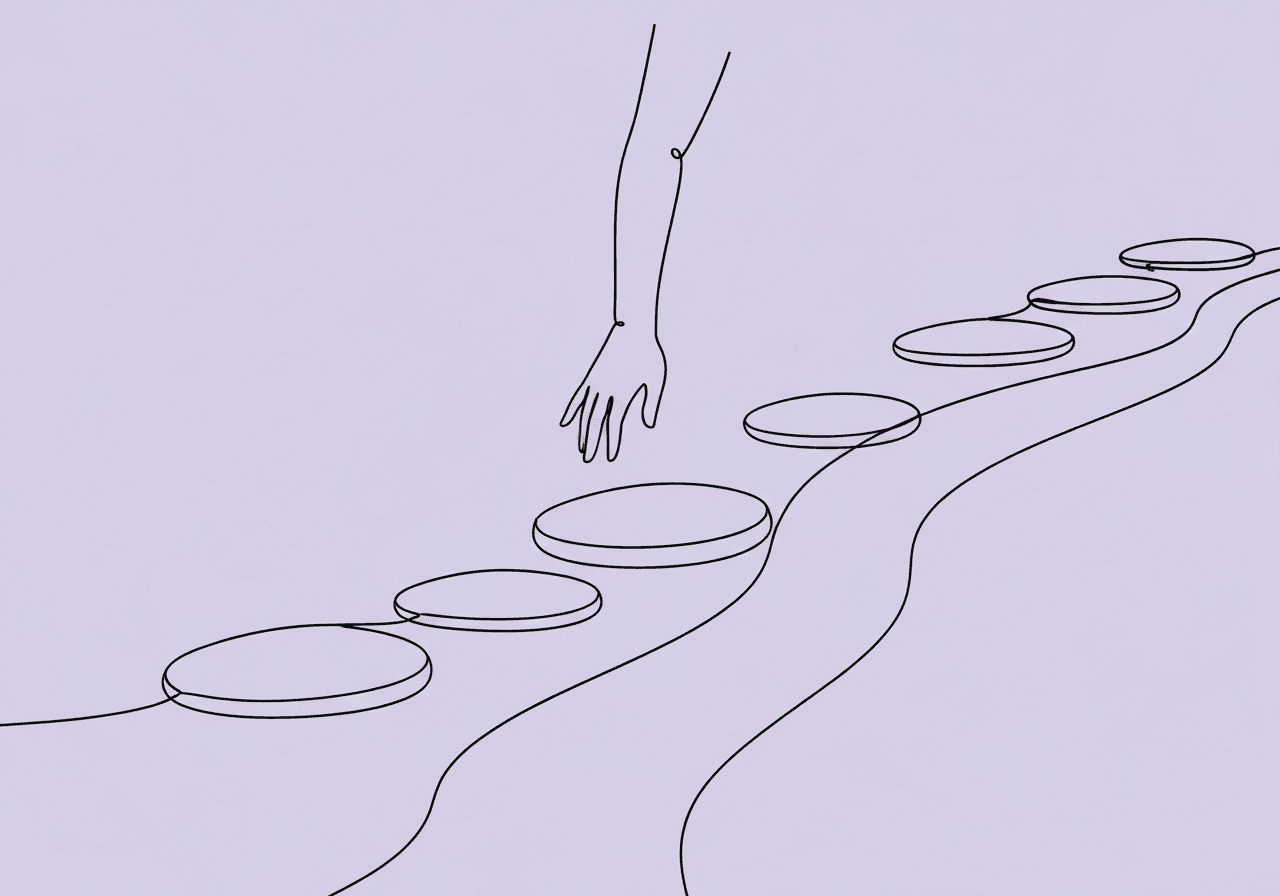
Imagine This Scenario With RBT Generalization Probes
Picture teaching a child to request snacks in therapy. They do great with your pictures. But at home, with mom's different images, they struggle. This gap shows why RBT generalization probes count. They prove skills transfer to real life without prompts. As an RBT, mastering these probes fits BACB Task List C-10. It supports ethical, successful ABA work.
In this guide, you'll gain clear steps. Document probes right. Dodge pitfalls. Boost compliance. Here's what it covers:
- Grasp key differences between generalization and maintenance probes.
- Master step-by-step notes for sessions.
- Learn ideal frequency, conditions, and scheduling.
- See how to weave into BIPs and data tools.
- Find ways to show impact for audits.
These tips draw from BACB rules and ABA pros. They help deliver results families see.
Key Takeaways on RBT Generalization Probes
- Spot differences fast to track data accurately.
- Document probes clearly for BCBA trust.
- Time probes right to catch skill gaps early.
- Build them into BIPs for strong plans.
- Use trends to prove real-world success in audits.
Differences Between Generalization and Maintenance Probes
Generalization probes check if skills work in new places, people, items, or spots. Think greeting a new adult at home, not just clinic friends. Generalization probe definition says these test behavior in fresh contexts. No teaching happens.
Maintenance probes, on the flip side, test if skills stick over time. This comes after mastery, weeks or months later. No reinforcement needed. Generalization and maintenance overview points out maintenance eyes staying power. Generalization eyes spread.
Spot these differences:
- Focus: Generalization hits new contexts, like fresh toys. Maintenance uses same context later.
- Timing: Generalization runs during or after learning. Maintenance waits post-mastery.
- Purpose: Both tie to BACB C-10. Generalization stops "siloed" skills, per Rethink Behavioral Health (2026).
Confuse them in notes? Data gets messy. Track apart for clear progress. New to notes? See our ABA session notes guide.
Ever mix them up? It muddies trends. Separate logs fix that.
Step-by-Step Documentation of RBT Generalization Probes in Session Notes
Strong ABA session generalization notes earn BCBA and payer trust. Check the BIP for targets first.
Follow these steps from ABA best practices:
- Pick targets. Go for mastered or growing skills, like manding. Write the definition: "Client points to snack pic, says 'want chips'."
- Pick conditions. Use new stimuli, people, or settings. No prompts. Pure cold probe.
- Run 3-5 trials. Watch alone. Note date, setting, prober, results like 2/3 correct.
- Record facts only. Example: "Gen probe: New mom/home pics—manding 1/3 independent, no prompt." Add brief observer notes.
- Graph data. Keep apart from acquisition. Watch for trends to 90% mastery.
Fidelity checklists avoid slip-ups like extra prompts. See ABA generalization strategies. Use templates for HIPAA rules. This links to maintenance probes documentation. Note shifts after mastery.
Why graph separate? It shows true transfer clearly.
Frequency, Conditions, and Scheduling for Generalization Probes
Right timing sparks success. Probe weekly during acquisition. Use 3-5 trials per session. Vary conditions, per Rethink Behavioral Health (2026).
Post-mastery, move to weekly at first. Then monthly for maintenance, per maintenance importance in ABA. Key conditions include:
- New factors: Swap people (parent over therapist), spots (park not clinic), items (real snacks not toys).
- No rewards: Just data. Skip praise for clean baseline.
- Skip fatigue: Probe fresh, before or after teaching.
Use shared calendars with BCBAs. This matches RBT Task List (2nd ed., 2020) for C-10 skills.
Probe often early. Why? It spots issues before they grow.
Integrating Generalization Probes into BIPs and Data Collection Methods
Put probes in the BIP from the start. Set targets, criteria like 90% across 3 settings, timelines.
Try these data ways:
- Probe data sheets: List setting, person, trials, % independent. Great for RBT probe reporting.
- Natural watches: Parent notes for home skills.
- Digital aids: HIPAA apps graph it all.
ABA generalization strategies push tracking many settings. Graph probes for contexts. Graph maintenance for time. Below 90%? Tweak BIP with more exemplars.
Grab our generalization documentation guide for templates. It aids renewals by proving spread.
How does this fit daily? Embed early for smooth flow.
Proving Effectiveness for Audits and Compliance with Generalization Probes
Audits need proof skills go beyond sessions. RBT generalization probes prove it. Trends like stable 90%+ across probes mean win.
Build compliance docs:
- BACB fit: Hits C-10. Note it in logs.
- Payer evidence: Graphs plus stories, like "Skill spread to community, 4/5 independent."
- Fidelity audits: Self-check as RBT.
Generalization in ABA calls for prompt-free checks. Low data? Tweak BIP right. It makes records solid.
Strong trends silence doubts. Ready for review?
Frequently Asked Questions
What is the difference between generalization probes and maintenance probes?
Generalization probes test skills in new settings, people, or stimuli. No prompts. Maintenance probes check hold in trained spots over time. Generalization and maintenance overview notes generalization aids transfer. Maintenance fights fade. Log them apart.
How often should RBTs conduct generalization probes?
Do 3-5 trials weekly in acquisition. Monthly after mastery. Per Rethink Behavioral Health (2026). Match your BIP. Early checks spot problems quick.
How do you document generalization probes in ABA session notes?
Log facts: skill, setup, trials/%, like "Gen probe: novel env, 2/3." No prompts. Graph trends. Use checklists for BACB compliance (C-10).
What role do generalization probes play in BACB RBT Task List C-10?
C-10 asks for skill transfer and hold procedures. Probes measure it direct, per RBT Task List (2nd ed., 2020).
How can generalization probes prove therapy effectiveness for audits?
Trends to 90% over settings show real impact. Graphs split from maintenance give full view. It backs payer checks, per ABA generalization strategies.
What strategies promote generalization during probes?
Use varied exemplars, real spots, loose training. Probes check without rewards, like in generalization probe definition.
Master RBT generalization probes. Turn therapy from session-only to life skills. It matches BACB rules and family needs.
Next steps:
- Check your BIP. Add probe goals this week.
- Try 3 probes in new spots. Log with template.
- Share graphs in supervision. Get input.
These steps make your work stand out. Skills last. Families notice. Compliance comes easy.
Popular in ABA Session Notes & Tools
- 1
RBT Supervision Documentation: 2025 BACB Guide & Templates
6,8499 min read - 2
Master ABA Medical Necessity Documentation: Avoid Denials
4,4089 min read - 3
Master ABA SOAP Notes: Guide for RBTs & BCBAs
4,2159 min read - 4
ABA Documentation Best Practices for RBTs: Essential Tips
3,4145 min read - 5
Direct vs. Indirect RBT Supervision Documentation Guide
3,2277 min read
Popular in ABA Session Notes & Tools
- 1
RBT Supervision Documentation: 2025 BACB Guide & Templates
6,8499 min read - 2
Master ABA Medical Necessity Documentation: Avoid Denials
4,4089 min read - 3
Master ABA SOAP Notes: Guide for RBTs & BCBAs
4,2159 min read - 4
ABA Documentation Best Practices for RBTs: Essential Tips
3,4145 min read - 5
Direct vs. Indirect RBT Supervision Documentation Guide
3,2277 min read
Related Resources
Explore more helpful content on similar topics

Master RBT Client Assent Documentation: Step-by-Step Guide
Master RBT client assent documentation with this step-by-step guide. Learn to monitor dissent cues, document ethically, and ensure BACB compliance for effective ABA sessions.
Behavioral Momentum Documentation for RBTs: Beginner's Guide
Discover Behavioral Momentum documentation for RBTs: Master High-P Request Sequences, implement effective compliance strategies, and document successful responses to boost session outcomes. Learn practical steps and ethical tips today.

RBT DTT Documentation: Step-by-Step Guide
Master RBT DTT documentation with this step-by-step guide for RBTs. Learn to record trials accurately, track prompts and responses, ensure BACB compliance, and perfect ABA DTT data collection for better outcomes.