
ABA Chaining Glossary: Forward, Backward & More
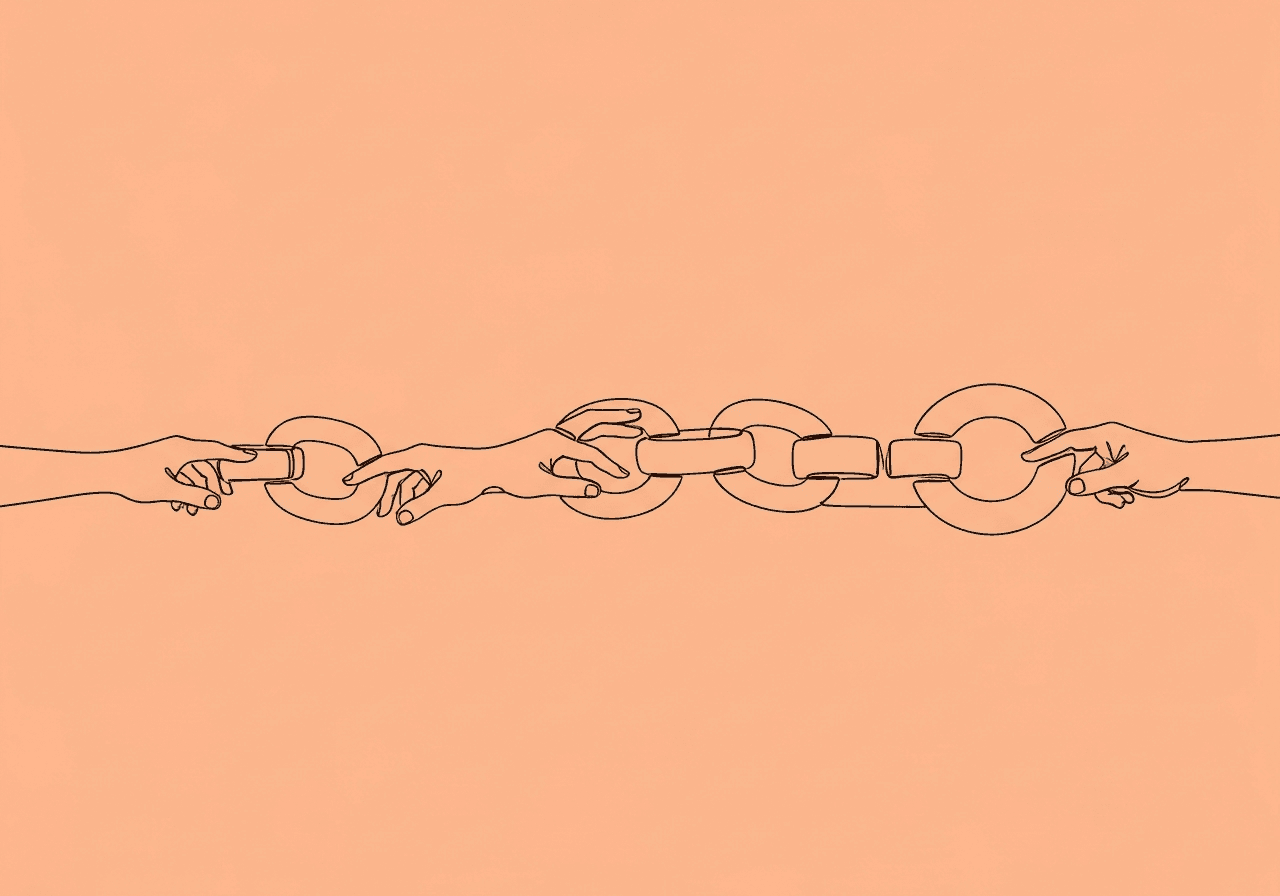
ABA Chaining Glossary: Essential Terms for RBTs and BCBAs
ABA therapy moves fast these days. RBTs and BCBAs depend on chaining procedures to teach skills like handwashing or dressing. These tools come straight from the RBT Task List under C-6. They break big tasks into small steps for quicker independence. This ABA chaining glossary breaks down the key terms. You'll use them right and document like a pro.
Dive into definitions for forward chaining, backward chaining, and total task chaining. See their ties to task analysis. Get real-world documentation examples. Learn mastery criteria. Pick up tips for skill acquisition plans.
Key Takeaways from This ABA Chaining Glossary
- Forward chaining builds skills step by step from the first one, perfect for learners who need strong starts.
- Backward chaining kicks off at the last step for quick wins and high motivation.
- Total task chaining runs the full sequence every time, prompting just where needed.
- Task analysis forms the base, splitting complex behaviors into teachable parts.
- Mastery hits around 80-90% independence over 3-5 sessions, tailored to each goal.
Task Analysis: Foundation in the ABA Chaining Glossary
Task analysis splits complex behaviors into simple, sequential steps. The BACB RBT Task List (2nd ed., 2020) calls for it under C-6. RBTs start with observation or expert input.
Take handwashing. Steps include: turn on water, wet hands, apply soap, scrub for 20 seconds, rinse, turn off water, dry hands. Each step cues the next. That's a natural behavior chain.
Customize for the learner. Add visual supports for kids with autism. Solid task analysis avoids chaining mistakes. It sets you up for success every time.
Forward Chaining in ABA Chaining Glossary
Ever had a client freeze at the start of a task? Forward chaining fixes that. It teaches the first step to independence. Then add the next. Prompt the rest as needed.
Reinforce step one right away. Once solid, chain in step two. Keep going sequentially.
Think toothbrushing. Get the learner to pick up the brush and add toothpaste alone. Prompt for brushing motions and rinsing. Discovery ABA shows it fits learners who thrive on foundational cues.
RBTs track every trial. Fade prompts step by step. It's great for building momentum. Try it on shoelaces or simple dressing.
For RBT exam prep, see our RBT Task List C-6 chaining procedures. Clients gain confidence fast. You see progress in data sheets week by week.
Backward Chaining: Success from the End in ABA Chaining Glossary
Backward chaining flips the script. Start with the final step. The therapist does the earlier ones. The learner completes the last part independently. Reinforce that win immediately.
Then tackle the step before. Work back until the whole chain clicks.
Handwashing example: RBT does steps 1-4. Learner dries hands first. Regis College (2023) points out quick successes boost motivation. It's ideal for teens tackling hygiene.
Data from probes shows high efficacy for skills like folding laundry.AN ASSESSMENT OF THE EFFICIENCY OF AND CHILD ... - NIH
Strugglers with starting but strong finishers love it. You've probably seen that spark when they nail the end goal right away. Prompts fade naturally as momentum builds.
Total Task Chaining: Full Sequence Approach
Total task chaining puts the whole chain in play each trial. Prompt only the tricky steps. Therapist guides the rest. Reinforce every independent part.
Bed-making fits perfect. Prompt lightly on tucking sheets or fluffing pillows. Indiana Resource Center for Autism (undated, accessed 2024) uses it for folks with some skills already.
It mirrors real life from day one. No partial chains. RBTs tweak prompts based on live data.
Pair it with solid tracking. Check our RBT task analysis beginners guide for tips. Fluency comes quicker. Clients perform smoothly under natural demands.
Documentation Best Practices for Chaining
Good docs make or break chaining. Capture independent steps, prompts used—like gestural or verbal—and reinforcers per trial. BCBA reviews rely on this.
Sample: "Handwashing trial 1: Steps 1-3 independent (forward). Full verbal on step 4. Step 5 independent. Praise + token."
Use ABC charts for context. Graph weekly to track fading. Revise task analysis if steps don't stick.
Tie to operational definitions. See our ABA operational definition beginners guide.
Don't skip details. Clear notes spot trends fast. They guide method switches too.
Mastery Criteria in ABA Chaining Glossary and Skill Plans
Mastery means 80-90% independence over 3-5 sessions. It varies by goal.Mastery Criteria and Maintenance: a Descriptive Analysis of Applied ... Probe before and after to gauge gains.
In skill plans, spell it out: "Backward chaining for dressing. 90% over 5 days."
BCBAs pick based on data. Forward for sequence woes. Backward for low drive. Generalization probes keep skills strong across settings.
Consistency matters—with different people, places, no prompts. That's durable progress.
Frequently Asked Questions
How does forward chaining differ from backward chaining in ABA therapy?
Forward starts at step one. Master it, then advance. Backward teaches the end first for fast reinforcement. Discovery ABA covers forward's sequential cues. Backward delivers those quick highs. Both fit RBT Task List C-6.
What is the role of task analysis in chaining procedures?
It breaks skills into steps. No analysis, no chain. Handwashing takes 6-7 exact steps. Regis College (2023) pushes observation for spot-on lists.
What are real-life examples of total task chaining?
Meal prep or dressing routines work well. Prompt just weak spots like buttons. Indiana Resource Center (2024) spotlights bed-making for partial skills.
How do you determine mastery criteria for chaining?
Aim for 80-90% independent steps over 3-5 sessions across settings.Mastery Criteria and Maintenance: a Descriptive Analysis of Applied ... Track trials. Fade prompts completely. Praxis Notes (2024) matches BACB guidelines.
Can chaining address problem behaviors like tantrums?
Yes. Interrupt bad chains. Teach better ones instead. It builds independence over time.
This ABA chaining glossary arms RBTs and BCBAs with BACB-aligned terms for forward backward chaining and task analysis chaining ABA. From breakdowns to docs, master these for client wins.
Next: Check your plans for task analyses. Test one method per client this week. Graph data for BCBA talks. RBT C-6 consistency drives independence. Boost your practice with Praxis Notes tools today.
Popular in Behavior Analysis Concepts
- 1
ABA Graph Analysis Terms: Level, Trend, Variability
5,3846 min read - 2
Partial Interval vs Whole Interval vs MTS: ABA Guide
5,1556 min read - 3
Master IOA Formulas and Methods for Data Integrity
4,6928 min read - 4
Simple Schedules of Reinforcement ABA: FR, VR, FI, VI Guide
3,8976 min read - 5
Functional Behavior Assessment ABA: Complete 2025 Guide [Step-by-Step]
2,9346 min read
Popular in Behavior Analysis Concepts
- 1
ABA Graph Analysis Terms: Level, Trend, Variability
5,3846 min read - 2
Partial Interval vs Whole Interval vs MTS: ABA Guide
5,1556 min read - 3
Master IOA Formulas and Methods for Data Integrity
4,6928 min read - 4
Simple Schedules of Reinforcement ABA: FR, VR, FI, VI Guide
3,8976 min read - 5
Functional Behavior Assessment ABA: Complete 2025 Guide [Step-by-Step]
2,9346 min read
Related Resources
Explore more helpful content on similar topics
Radical Behaviorism Glossary for ABA: Key Terms
Dive into the essential Radical Behaviorism glossary for ABA. Master terms like private events, mentalism, and explanatory fiction to craft objective session notes and precise FBAs. Ideal for BCBA and RBT professionals.
Essential Visual Analysis Terminology for ABA
Unlock essential Visual Analysis Terminology in ABA to master graph interpretation. Explore definitions for Level, Trend, Variability, Data Path, and more – ideal for BCBAs, RBTs, and professionals seeking to enhance behavioral analysis skills.

ABA Chaining Glossary: Forward, Backward & Total Task
Discover the ABA chaining glossary: Master forward, backward, and total task chaining procedures, task analysis, plus documentation and compliance tips for RBTs & BCBAs.